

Workplace tools that signal availability, such as a busy light, can serve as practical instruments for enforcing cognitive boundaries in environments characterized by constant stimuli. In contemporary offices and remote setups, sustained attention is no longer a default condition but a managed resource. Structured workplace technologies and workflow strategies help convert abstract focus principles into practical control mechanisms.
Deep work requires deliberate protection against interruption vectors. Without explicit signaling, availability becomes socially assumed rather than intentionally granted. Visual indicators and status tools can introduce measurable control over attentional exposure.
What Is Deep Work?
Deep work refers to cognitively demanding activity performed in a distraction-free state that pushes individual capability to its functional limits. It enables high-value output such as analytical reasoning, strategic planning, and complex problem solving. Shallow tasks, by contrast, consume time without requiring sustained neural engagement.
In knowledge-driven economies, competitive advantage often depends on uninterrupted cognitive throughput. Fragmented attention can directly reduce output precision and increase error rates. Structured attention management therefore becomes an operational necessity rather than a personal preference.
Cognitive Focus and Productivity
Focused cognition depends on stable activation of task-relevant neural networks. Each interruption forces partial deactivation and reactivation, increasing metabolic demand and recovery time. This cycle produces measurable productivity loss.
| Cognitive State | Neural Stability | Output Quality |
|---|---|---|
| Sustained focus | High | Optimal |
| Mild distraction | Moderate | Reduced |
| Frequent switching | Low | Error-prone |
The table illustrates a direct correlation between attentional stability and output reliability. Protecting neural continuity is essential for performance-intensive roles.
Workplace focus tools such as presence indicators, notification management systems, and structured scheduling methods can act as environmental stabilizers. They help minimize unnecessary stimuli and reinforce predictable collaboration patterns.
The Impact of Micro-Interruptions
Micro-interruptions include brief verbal inquiries, digital notifications, and visual disruptions. Individually minor, they accumulate into significant cognitive fragmentation. Recovery intervals often exceed the duration of the interruption itself.
Common micro-interruption sources include:
- Instant messaging alerts
- Spontaneous colleague questions
- Meeting reminders overlapping with deep tasks
- Environmental movement in open offices
These factors generate attentional residue, where fragments of previous tasks persist in working memory. This residue degrades analytical clarity and decision velocity.
Reducing micro-interruptions does not require isolation. It requires structured signaling and thoughtful workflow integration.
Strategies to Protect Concentration
Attention protection often combines behavioral discipline with environmental design. Isolated techniques are frequently insufficient in collaborative environments. Integrated systems provide more consistent solutions.
For example, status indicators, calendar integrations, and automated notifications can help synchronize digital availability with real-world signals. This alignment reduces ambiguity around when individuals are available for collaboration.
| Strategy | Mechanism | Operational Benefit |
|---|---|---|
| Automated status sync | Calendar integration | Eliminates manual updates |
| Color-coded indicators | Visual boundary creation | Immediate recognition |
| Configurable timers | Structured focus intervals | Predictable deep work cycles |
Structured implementation reduces reliance on self-control alone. Environmental design can reinforce behavioral intention.
Time Blocking
Time blocking allocates predefined intervals for cognitively intensive tasks. During these intervals, communication channels are restricted and interruptions deferred. The method transforms intention into schedule-bound execution.
When combined with visual indicators or status tools, time blocking becomes externally visible. Colleagues can observe protected intervals and adjust collaboration accordingly.
Focus timers and structured scheduling methods can support this rhythm and reduce the need for constant manual management.
Visual Boundaries in the Workplace
Physical boundaries are limited in open layouts. Visual boundaries compensate by signaling cognitive occupancy. Presence indicators or status lights can create immediate and unambiguous communication.
Functional advantages of visual boundaries include:
- Reduction of spontaneous interruptions
- Reinforcement of deep work norms
- Transparent availability management
- Improved team awareness in hybrid settings
These mechanisms convert attention management into observable behavior. They reduce social friction while maintaining collaboration fluidity.
Consistent visual signaling can foster a culture that respects focus without reducing accessibility. It helps balance productivity with team cohesion.
Building Sustainable Focus Habits
Sustainable focus requires repeatable systems rather than sporadic effort. Employees must internalize structured routines supported by reliable tools and processes. Technology can act as a stabilizing framework for these routines.
Integration with collaboration platforms, scheduling tools, and notification management systems allows teams to synchronize digital and physical status signals. Clear communication of availability helps prevent interruptions before they occur.
Beyond interruption control, structured attention management can contribute to employee well-being and reduced stress. Clear boundaries lower cognitive overload and support healthier work rhythms.
Organizations that implement structured attention practices often report improved task completion rates and reduced burnout indicators. These outcomes typically result from disciplined environment design rather than motivational messaging alone.
Final Thoughts on Managing Attention
Deep work is a finite cognitive state that must be actively protected. Informal availability assumptions can undermine analytical performance and increase operational inefficiency. Structured signaling systems and attention-management strategies help establish enforceable focus boundaries.
Modern workplaces benefit from tools and practices that reduce distractions, clarify availability, and support sustained cognitive effort. Solutions such as status indicators, busy lights, and structured scheduling tools, including devices produced by companies like Luxafor, can help teams make attention management visible and consistent across the workplace.
Featured Image generated by Google Gemini.
Share this post
Author

Read the latest articles from Marcus Rivera
Managed Dedicated Servers: Comprehensive Hosting for Growing Businesses

February 24, 2026
A managed dedicated server is a single-tenant physical machine provisioned exclusively for one client and administered by the provider’s engineering team. It provides full resource control at the hardware and hypervisor levels, along with operational support that reduces the burden of in-house infrastructure ma [...]
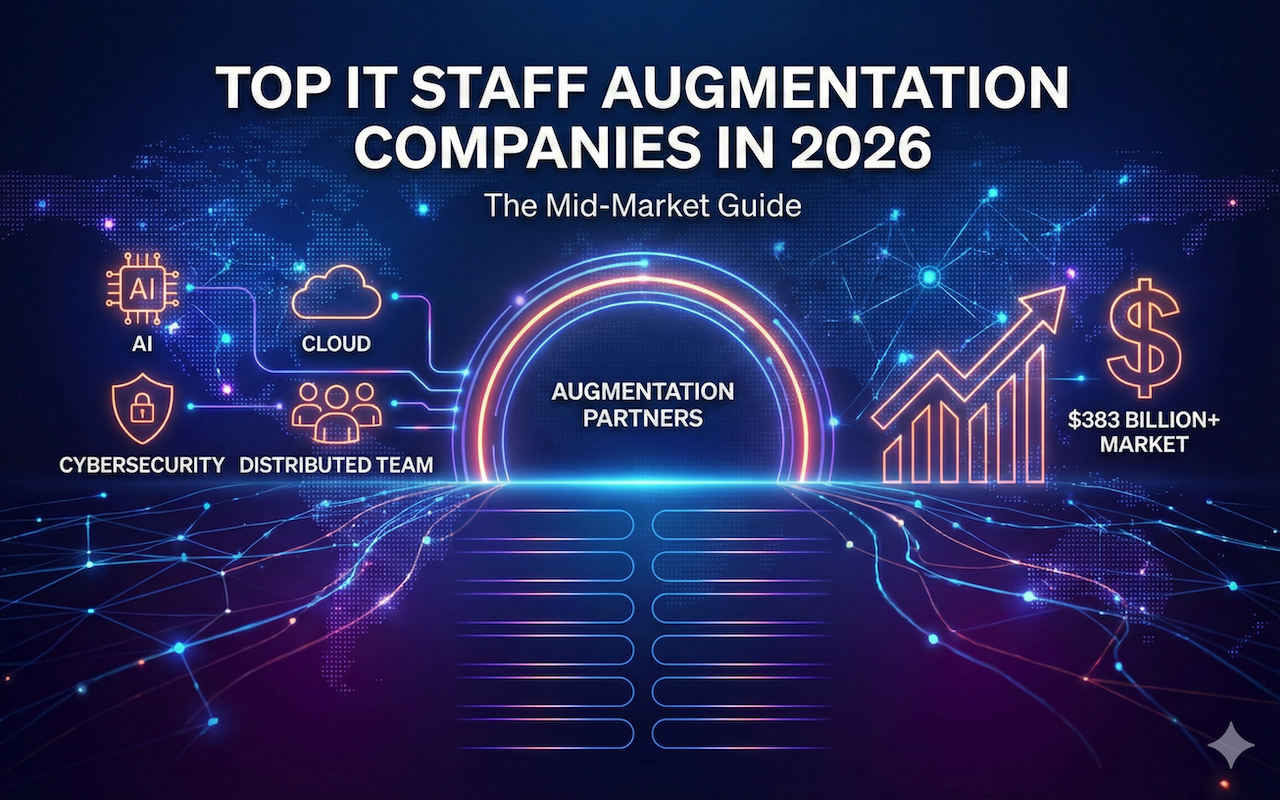
Learn more8 Best IT Staff Augmentation Companies in 2026
December 10, 2025
Spending on IT staff augmentation passed $383 billion in 2025 and is projected to keep climbing as organizations race to deploy AI, cloud, and cybersecurity initiatives faster than in-house hiring can support.
Learn moreLeave a comment
All comments are moderated. Spammy and bot submitted comments are deleted. Please submit the comments that are helpful to others, and we'll approve your comments. A comment that includes outbound link will only be approved if the content is relevant to the topic, and has some value to our readers.
Comments (0)
No comment