
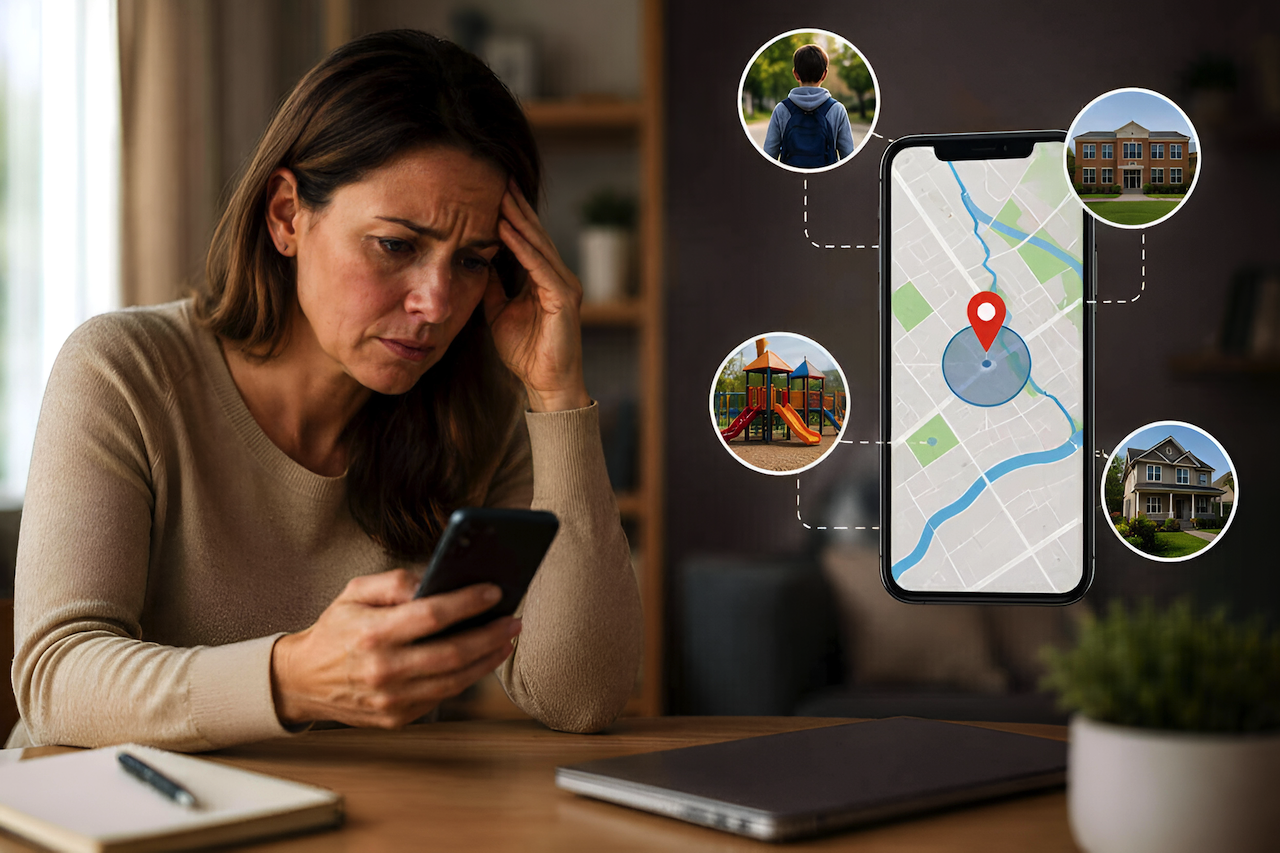
For many parents, keeping children safe outside the home has become far more stressful than before. School schedules, late-evening activities, coaching classes, and social outings often leave parents constantly worried about where their kids are and whether they are safe.
Because of this, digital location tracking tools have slowly become part of everyday parenting. Parents use them to confirm school arrivals, check weekend movements, and stay prepared during emergencies. While these tools can be useful, many families unknowingly make mistakes that reduce their effectiveness.
In several situations, the problem is not the technology itself. Instead, the issue comes from how parents use location tracking in daily life.
Depending Only on Simple Tracking Features
One common mistake parents make is relying only on the basic location-sharing features already available on smartphones or social media platforms.
At first, these tools may seem convenient. However, many of them provide delayed updates, inaccurate GPS readings, and incomplete tracking information. During emergencies, even a few minutes of delay can become stressful for families.
That is one reason many families now look for an accurate phone location tracker online that provides real-time updates, movement history, instant alerts, and improved tracking reliability for better child safety.
Using Location Tracking Without Proper Conversation
Sometimes parents enable location tracking quietly without discussing it openly with their children. Although the goal is protection, secrecy often creates unnecessary trust issues inside the family.
Teenagers usually respond better when parents explain the real reason behind location tracking. A calm discussion helps children understand that tracking is meant for safety during emergencies, not for controlling every personal activity.

In many families, open communication actually improves cooperation and reduces conflicts around digital monitoring.
Forgetting To Check Phone Settings
Many parents assume location tracking works continuously without interruption. Unfortunately, that is not always true.
Teenagers today understand smartphone settings very well. Some know how to turn off GPS services, restrict permissions, and switch devices to airplane mode. Once location services are disabled, tracking accuracy immediately decreases.
Because of this, parents should occasionally review device permissions and understand how location tracking behaves under different conditions.
Ignoring Useful Geofencing Alerts
Another mistake parents make is using tracking tools only for manual checking.
Many modern location tracking platforms include geofencing features that allow parents to create virtual safety zones around schools, homes, playgrounds, and tuition centers. Whenever a child enters or exits those locations, parents can automatically receive alerts.
Without geofencing enabled, parents may miss sudden location changes or unexpected movements during serious situations.
Monitoring Children Too Frequently
Many parents develop the habit of checking locations every few minutes throughout the day. Although this behavior often comes from concern, excessive monitoring can create pressure for teenagers.
In some cases, children may begin to hide information, avoid communication, or experiment with fake GPS tools to regain privacy.
Location tracking works best when it supports healthy communication rather than creating constant stress within the family.
Using Unsafe Tracking Services
Not every location tracking service available online is trustworthy. Some free tools collect unnecessary personal information, display excessive advertisements, or even expose private location data.
Before using any tracking solution, parents should spend some time reviewing:
- Privacy settings
- Permission requests
- User feedback
- Provider reputation
- Data security practices
Choosing reliable services becomes especially important when sensitive family information and live location history are involved.
Never Testing Emergency Features
Many parents enable location tracking and assume everything will function properly during emergencies. However, they never actually test the important safety features beforehand.
For example, parents should know the following:
- How fast location updates appear
- Whether emergency alerts work correctly
- How battery saver mode affects tracking
- If GPS accuracy changes in crowded places
- Whether the system works during weak internet connections
Testing these features early can help families avoid confusion during urgent situations.
Final Thoughts
Location tracking technology can definitely improve child safety when used responsibly. It helps parents stay informed, respond faster during emergencies, and maintain peace of mind during daily routines.
At the same time, technology alone cannot replace trust, communication, and healthy parenting habits. Parents should focus on balance rather than excessive monitoring.
When location tracking tools are combined with open communication and responsible use, they become far more effective for protecting children in today’s digital world.
Disclaimer
This article is provided for informational and educational purposes only and should not be considered legal, security, or professional parenting advice. Parents and guardians should carefully review privacy settings, permissions, applicable laws, and the terms of any third-party tracking service before use. Location tracking technology should be used responsibly and balanced with open communication and trust within the family. iplocation.net is not affiliated with, responsible for, or liable for the functionality, accuracy, privacy practices, or consequences associated with any third-party tools or services mentioned in this article.
Share this post
Leave a comment
All comments are moderated. Spammy and bot submitted comments are deleted. Please submit the comments that are helpful to others, and we'll approve your comments. A comment that includes outbound link will only be approved if the content is relevant to the topic, and has some value to our readers.
Comments (0)
No comment