
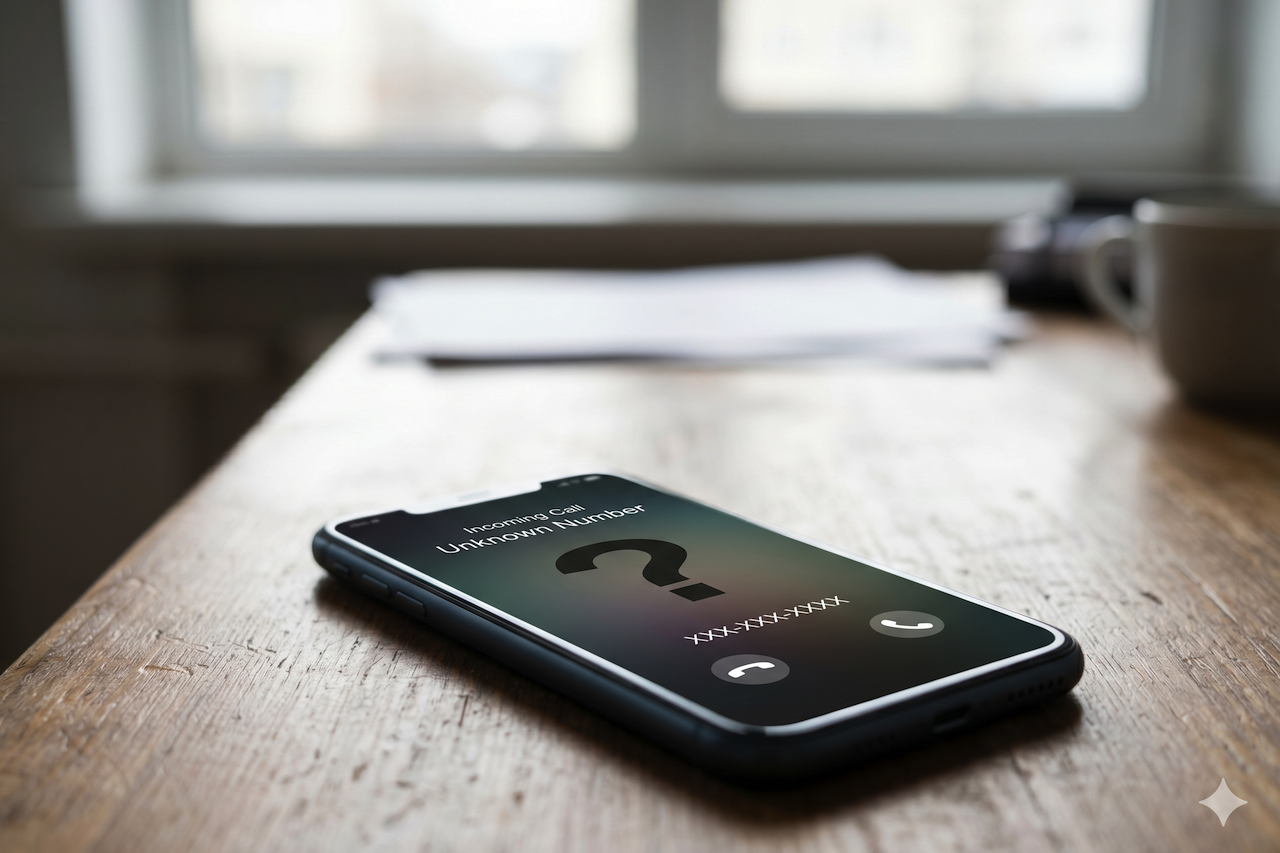
The phone buzzes. Unknown number. An area code you'd swear you've never seen. You let it ring out, but the question's already stuck in your head. Who is this? And where are they even calling from?
It's a normal reflex. And a lot of people, right at that moment, end up typing "whose number is this" into a search bar, hoping a name and a place pop up. Good instinct. So here's what we'll cover: how to read a number's origin straight off the digits, why that origin fools people more often than you'd guess, and how a lookup fills the gap when the number won't tell you the whole story.
First, just read the number
Good news. A phone number isn't random noise. It's structured, and that structure leaks information. No app, no fee, nothing to install. You have to know where to look.
Start with the country code, the bit after the plus sign. +1 is the US or Canada. +92 is Pakistan. +44 the UK, +91 India. See a country code you weren't expecting on an unknown number? That by itself is a flag.
Next is the area code, which drops you down to a region or a city. In the US, 212 is New York, 312 is Chicago, and 415 is San Francisco. So +1 212 is registered to New York. Two layers of location, and you haven't done any real work yet.
Mobile numbers hide one more clue: the prefix, those first few digits after the country code, usually tied to a specific carrier. Pakistan's a clean example. A line starting +92 30x is Jazz. +92 31x is Zong. +92 34x, Telenor. +92 33x, Ufone. So a number starting with +92 314 is a Zong mobile number. That won't hand you a name. But it confirms that you're looking at a real, active line, not something cobbled together.
Why that origin can flat-out lie
Now the honest part. The part that a lot of articles skip past. What you just decoded is the number's registered origin. It is not proof of where the caller is actually sitting. Two completely different things, and scammers are banking on you blurring the lines between them.
Take VoIP, the internet-based numbers. One of those can be handed almost any area code, anywhere. Somebody halfway around the planet can hold a number that reads like your own neighborhood. The digits say one thing. The person could be anywhere.
Spoofing is the nastier cousin. It lets a caller deliberately fake the number that appears on your screen, and they'll usually pick a local area code so the call feels safe and familiar. There's a reason for that. A local number gets answered. An unknown one gets ignored. So when your screen shows a number from your own city, read it as a hint, not a promise. The origin is a clue. It is not a verdict.
Fill the gap with a reverse phone lookup.
Since the digits only take you so far, the next move is a reverse phone lookup. It flips the whole thing around. Instead of starting with a name to dig up a number, start with the number and work back to who owns it and what others have already said about it.
A decent one surfaces a few things: the carrier associated with the number, the line type (mobile, landline, or VoIP), the reported location, and spam reports from others who received the same call. That last bit is the gold. If twenty strangers already tagged a number as a robocall, you just learned more than any area code was ever going to tell you.
Various reverse phone lookup services, including tools such as WhoseNo, can help provide this information. Depending on the service, users may be able to check carrier details, line type, and community-reported spam activity to gain additional context about an unknown caller.
When the calls turn threatening
Sometimes a number's not just annoying. If the calls get threatening, or harassing, or they keep coming after you've blocked them, go past a lookup. Call your carrier first. Most have a process for reporting abuse and can sometimes trace or block a persistent number on their end. If you feel genuinely unsafe, loop in your local authorities, and keep a plain log of dates, times, and what got said. That record matters if things ever escalate.
What to do once you know
So you've got a read on the number. What now? It depends on what came back. A few clear paths:
- Flagged as spam or a robocall? Block it and report it, so the next person gets the warning too.
- Looks legit, like a delivery or a callback you were actually waiting on? Call back with a bit more confidence.
- Not sure? Let it hit voicemail and see if a real message follows. Real callers usually leave one.
One last thing, and it's the big one. Never hand personal information to a caller you haven't verified. No account numbers, no passwords, no codes, doesn't matter how official they sound. A real company won't corner you for that on a call you didn't expect. When in doubt, hang up and call the company back using a number you found yourself. Knowing where a number comes from is handy. Knowing when to shut up and hang up is what actually keeps you safe.
Final Thoughts
Unknown numbers are a part of everyday life, but they do not have to remain a mystery. By understanding how phone numbers are structured, recognizing the limitations of area codes and caller IDs, and using reverse phone lookup tools when appropriate, you can make more informed decisions about who is trying to reach you.
Most importantly, treat unexpected calls with caution. A little verification can help you avoid scams, protect your personal information, and decide whether a call deserves your attention or a quick trip to the block list.
Featured Image generated by Google Gemini.
Share this post
Author

Read the latest articles from Olivia
The Rise of Connected Homes: Using Technology to Prevent Water Damage
June 19, 2026
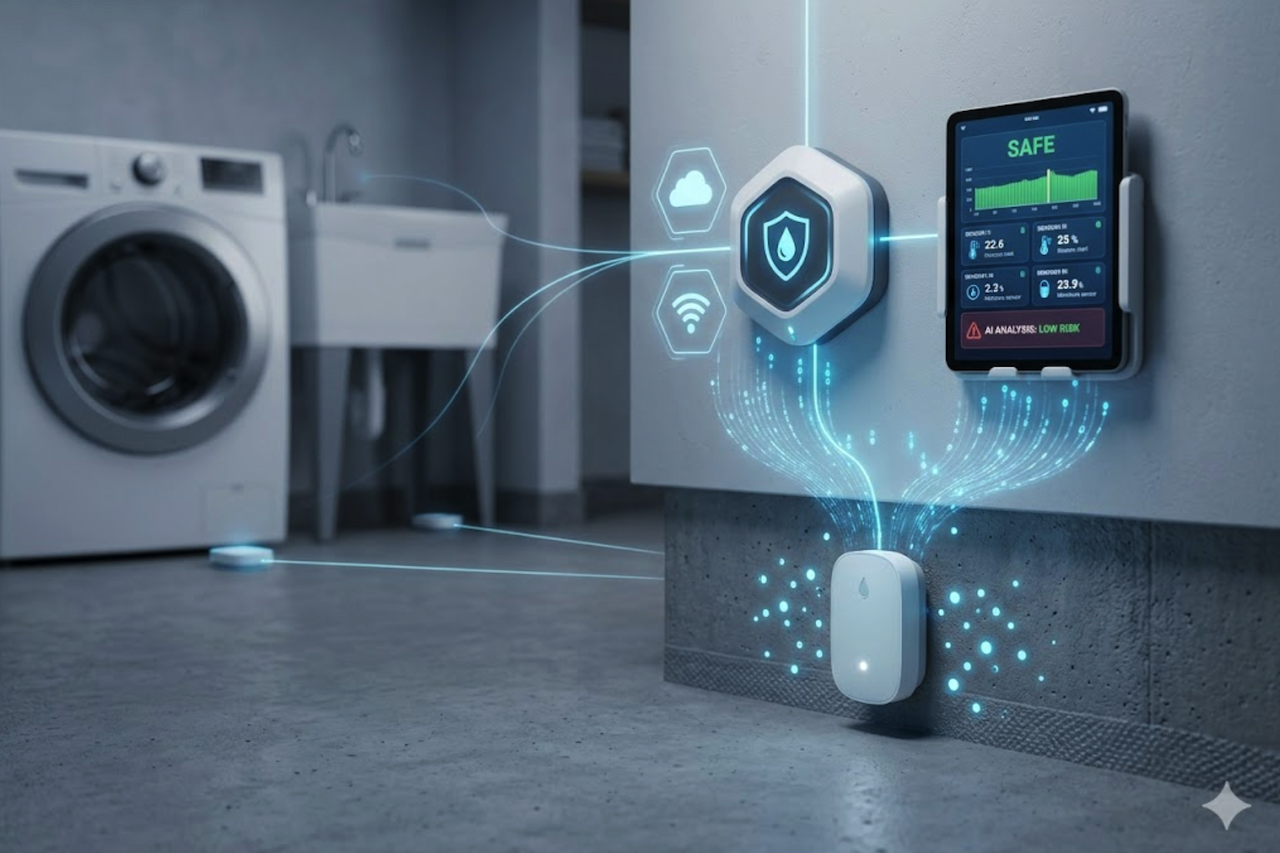
The smart home revolution has moved well beyond voice-controlled lights and app-connected thermostats. Today, homeowners are deploying networks of sensors, cloud-connected devices, and AI-driven monitoring platforms that treat the home itself as a living data system — one that can be watched, analyzed, and prot [...]
Learn moreHow Device Fingerprinting Stops Account Takeover Fraud
June 15, 2026
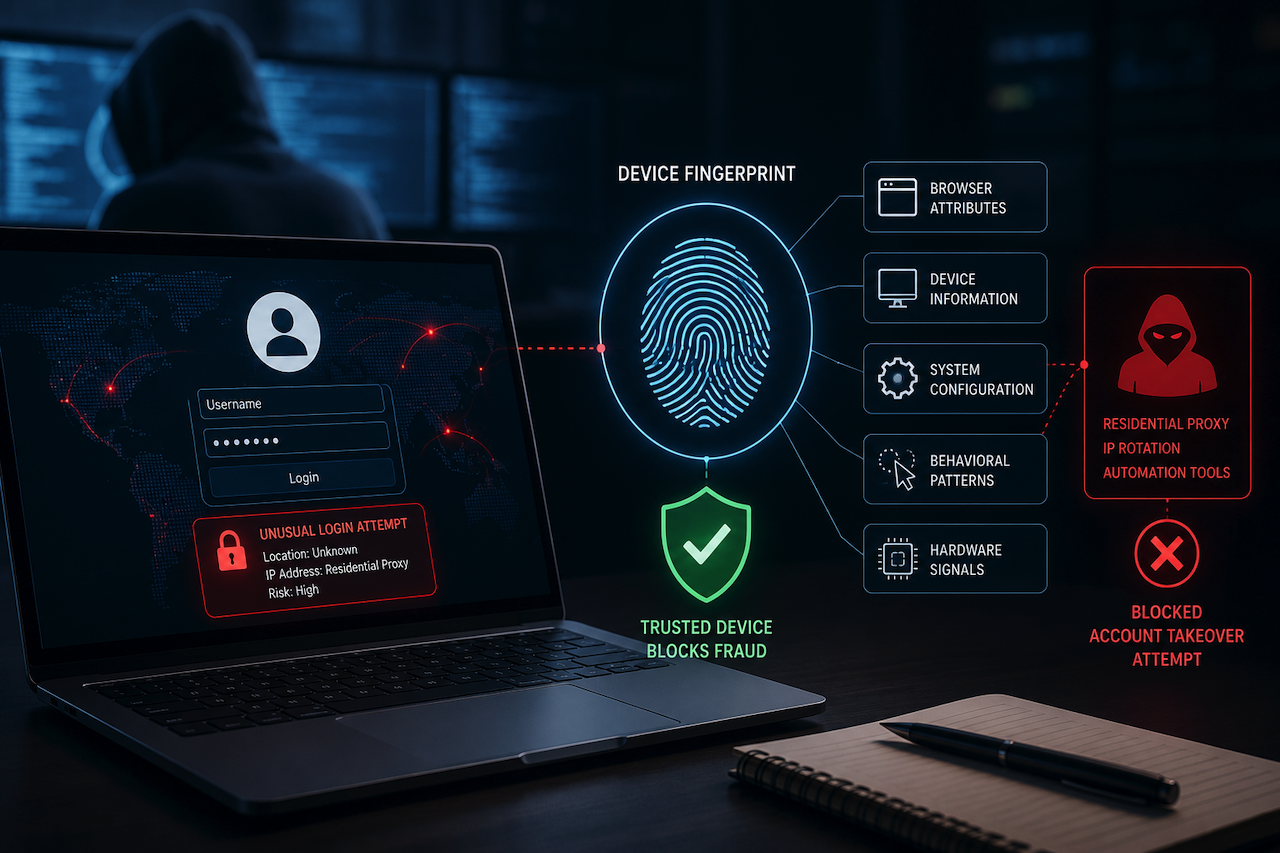
Residential proxies are hard to spot. They route traffic through real consumer IP addresses, thereby making a fraudster's connection appear identical to that of a real user. This is where account takeover fraud can occur; attackers have built infrastructure specifically to evade network detection. As a result, be [...]
Learn moreLeave a comment
All comments are moderated. Spammy and bot submitted comments are deleted. Please submit the comments that are helpful to others, and we'll approve your comments. A comment that includes outbound link will only be approved if the content is relevant to the topic, and has some value to our readers.
Comments (0)
No comment