
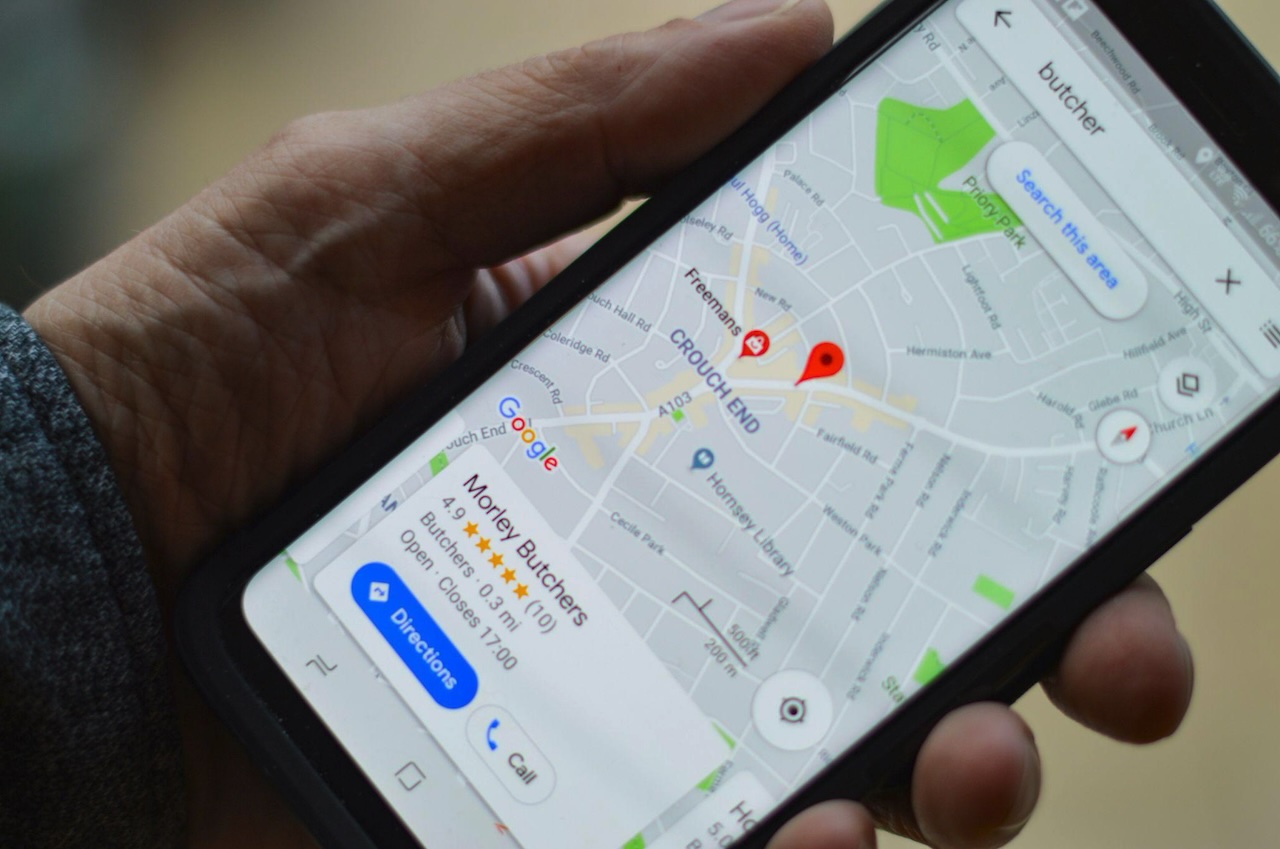
Accurate positioning is now the backbone of delivery routing, local search, fraud prevention, customer support, and field operations. As mobile sensors, GNSS receivers, and correction networks improve, digital services can respond to real conditions faster and with less guesswork.
That shift is also visible in technical work. Companies such as RTKdata support surveying RTK use cases for crews that need precise positioning in the field. In broader digital services, the same core idea applies: when location data is more accurate, decisions become faster, service quality improves, and routine errors become easier to avoid.
Location Data in Daily Digital Services
Many digital tools now depend on movement, timing, and local conditions rather than on static user profiles alone. Therefore, the quality of location signals directly affects how useful, fast, and reliable a service feels.
Smarter Routing and Dispatch
Modern routing systems account for traffic, delays, driver position, and job density. As a result, dispatch platforms can assign the closest worker, reduce idle time, and give customers more realistic arrival estimates.
This operational value also affects commercial strategy. A few steps later in the customer journey, businesses may rely on geo-targeted marketing to align offers with city, neighborhood, or store-level demand. When location signals are current, outreach becomes more relevant, and budget waste tends to drop.
Several service improvements depend directly on live location data:
- More accurate delivery and arrival estimates
- Faster job assignment for nearby teams
- Better rerouting during traffic disruptions
- Clearer customer tracking during active service windows.
Better Local Search Results
Search platforms increasingly adjust results according to the user’s current area. A search for a pharmacy, repair company, or restaurant works best when nearby and open options appear first. Consequently, geolocation has become central to how practical local search feels in everyday use.
Stronger Fraud Detection
Banks, payment apps, and account security systems compare account activity with normal location behavior. If a login or transaction appears in an unusual place, the system can request extra verification. That added step helps reduce fraud risk without creating the same level of friction for every user session.
Business Uses Are Becoming More Specialized
Many industries now combine location data with workflow, inventory, and service timing to improve efficiency and reduce avoidable mistakes.
Field Services and Site Operations
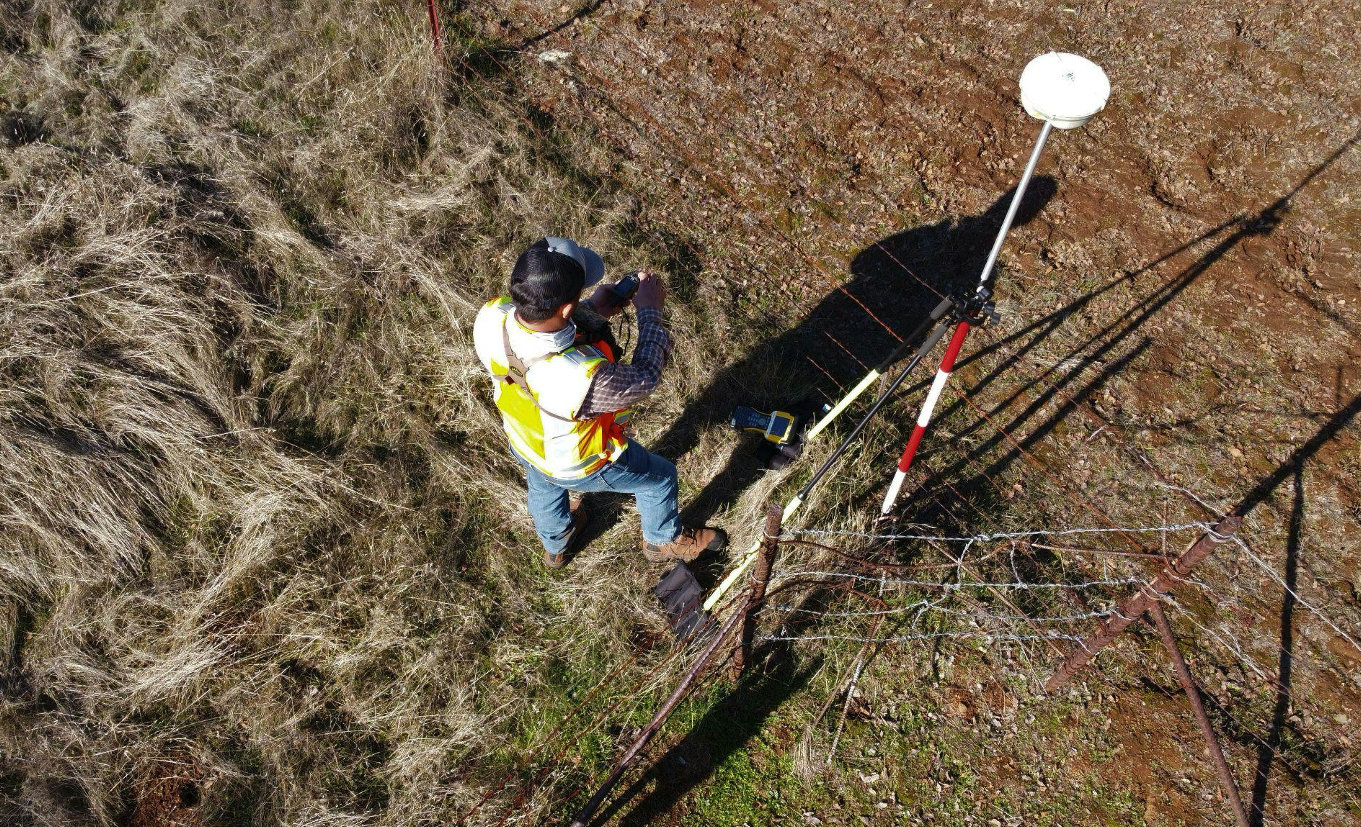
Utility crews, survey teams, and infrastructure contractors often need more than standard phone-based GPS. Higher-accuracy positioning helps confirm boundaries, verify layout, and document work with fewer repeat visits. In those cases, location data directly affects labor time, project quality, and reporting accuracy.
Local Inventory and Fulfillment
Retail and service businesses use geolocation to connect demand with real local capacity. A platform can determine which store has stock nearby, whether same-day pickup is realistic, or which branch should handle the next service request. That makes digital ordering more reliable because the result reflects local conditions instead of a national average.
A few business gains become easier to measure when location data is built into operations:
- Lower ad waste in weak-demand areas
- Faster response times for mobile service teams
- Better store-level inventory visibility.
Regional Campaign Timing
Promotions often perform differently depending on weather, commuting patterns, tourism, or local events. A city-level campaign can therefore produce stronger results than a broad national message. Regional context matters because customer demand often rises and falls for reasons tied to place and timing.
Accuracy and Privacy Matter More
As more services rely on location signals, user expectations rise as well. People want faster, more relevant experiences, yet they also want clear limits on how location data is collected and used.
Accuracy Affects Trust
A wrong driver pin, incorrect service zone, or misplaced job site can create direct business costs. Small location errors may lead to missed deliveries, wasted labor, or poor field measurements. For that reason, accuracy standards matter in both consumer apps and technical service platforms.
Consent and Data Limits
Location data can reveal travel habits, routines, and repeated patterns over time. Companies, therefore, need clearer consent requests and stronger retention rules. Users are generally more willing to allow location access when the reason is obvious and the platform collects only what the service actually needs.
Context Matters More Than Coordinates Alone
The next stage of geolocation will depend less on raw coordinates alone and more on context. Greater value comes when location is combined with traffic, device status, inventory, service history, and timing. That broader view helps platforms react to actual conditions instead of treating a map point as a complete answer.
What This Means for Digital Services
Geolocation technology is turning digital services into systems that respond to real-world conditions with more precision. That affects logistics, search, security, fieldwork, and local commercial decisions. Services that use location data well tend to become faster, more relevant, and easier to trust, provided the data stays accurate and privacy rules remain clear.
Share this post
Leave a comment
All comments are moderated. Spammy and bot submitted comments are deleted. Please submit the comments that are helpful to others, and we'll approve your comments. A comment that includes outbound link will only be approved if the content is relevant to the topic, and has some value to our readers.
Comments (0)
No comment