April 14, 2026
by IP Location

Modern web hosting is a constant battle for bandwidth. The moment a
website goes live, it is immediately bombarded by automated traffic.
While some of this traffic is essential for business growth, such as
legitimate search engine spiders indexing your pages, a significant
portion is entirely malicious. Bad bots are constantly probing for
vulnerabi...
April 13, 2026
by Aiyla Eylül

Over time, the SEO world has been governed by a simple gospel: more backlinks, higher rankings. Create links, gain links, purchase links (if you were willing to take that route), and watch your pages move up the search results. It was a straightforward, transactional relationship between effort and outcome. However, things are changing. Sites with smaller li...
April 13, 2026
by IP Location

Building an app from a single codebase for Android and iOS is known as a cross-platform app. This approach reduces development time and is a smart decision, but it has drawbacks too. Yes, you read this right: “it also has drawbacks”. Over time, apps built on these frameworks can develop issues. In that app, you will see a sluggish UI, laggy animations, non-n...
April 13, 2026
by IP Location

Search visibility is no longer just about ranking for a few keywords once a week. Modern SEO teams monitor local SERP changes, competitor movements, ad placements, featured snippets, and indexation patterns in near real time. That shift creates a technical challenge: how to collect accurate search data at scale without getting blocked, throttled, or served m...
April 13, 2026
by IP Location

Modern digital systems generate more telemetry per session than most SaaS dashboards show in a week. Performance metrics, shifting configurations, periodic updates, and rankings that recalculate every few hours based on aggregated API data — the information volume often resembles a monitoring stack more than a simple application.
April 13, 2026
by IP Location
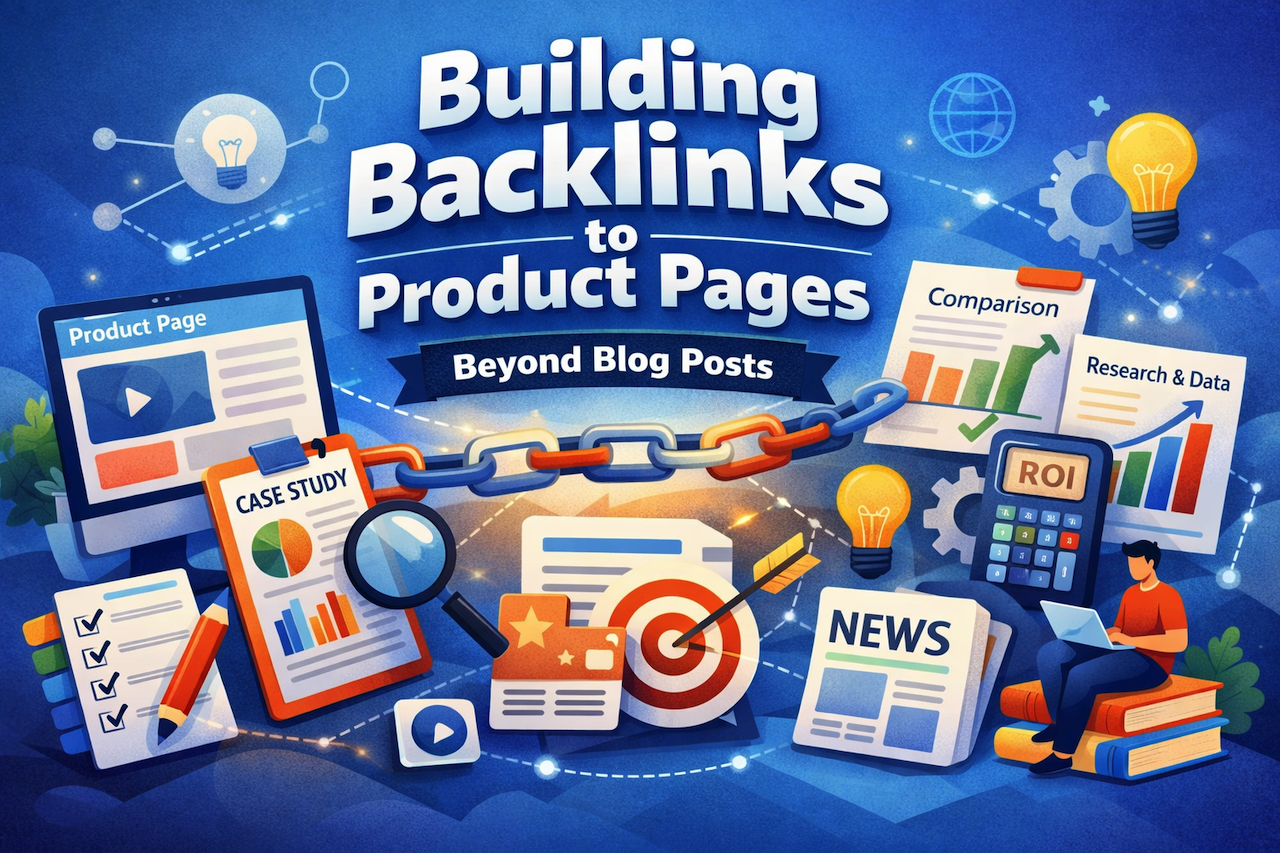
Backlinks to product pages are built by creating supporting assets
around those pages, earning digital PR mentions, using comparison and
integration content, and passing authority through smart internal links.
The trick is to stop treating product pages like sales brochures and
start treating them like reference points buyers and writers want to
ci...
April 13, 2026
by Saad

There's a story I keep hearing from CTOs and product leaders these days. It goes something like this: "We knew we needed to do something with AI. We hired a team, picked a framework, and six months later we had a demo that impressed no one — and a codebase that scared everyone." Sound familiar?
April 13, 2026
by IP Location
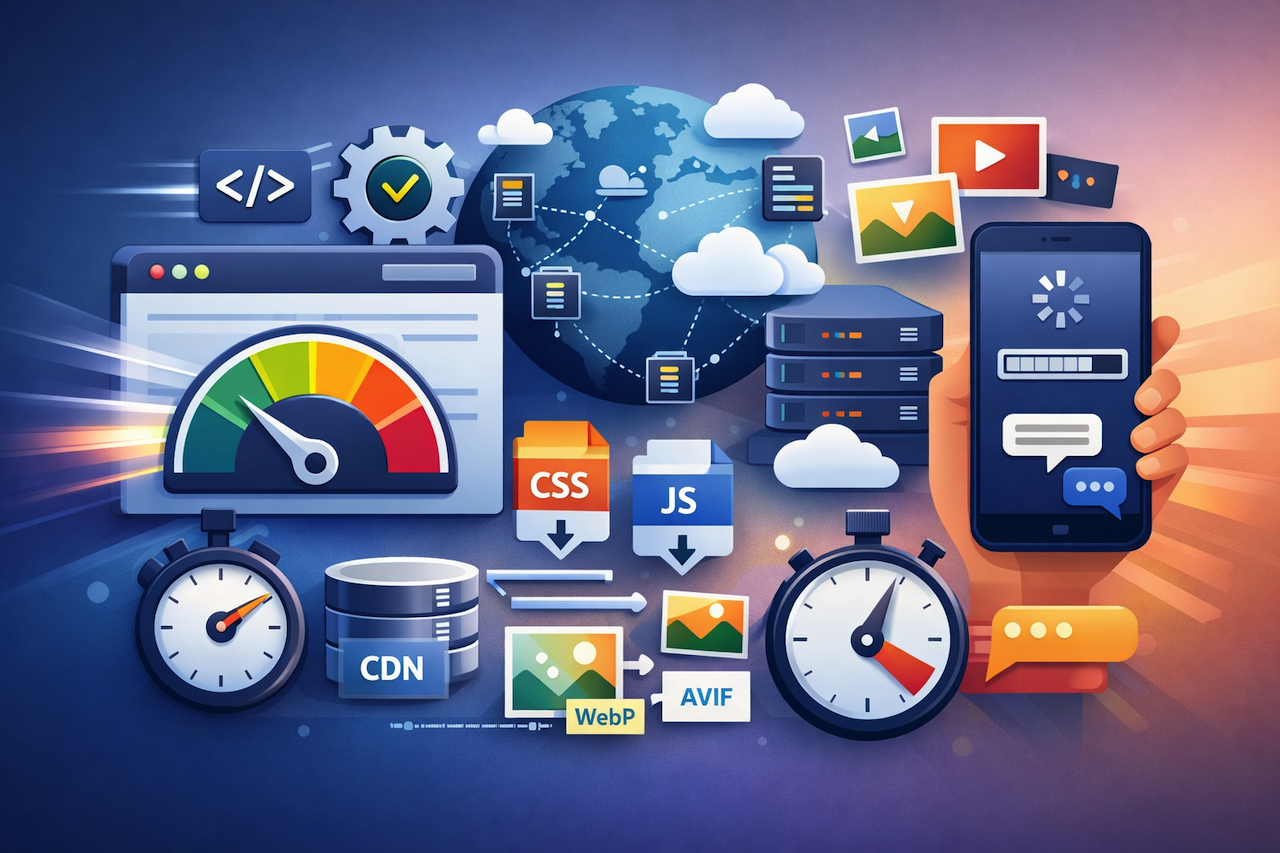
Website speed is no longer just a technical metric. Today, it influences user experience, conversion rates, and even the overall perception of a project. That’s why modern websites and platforms make performance optimization a core part of their structure, often automating processes that traditionally required separate teamwork in custom development. This ap...
April 12, 2026
by Reza Ali

The S&P 500 forecast for 2026 points to a year of moderate growth mixed with potential risks. Current projections from market analysts suggest the index could rise steadily over the course of the year, with average expectations hovering around a mid-single-digit percentage gain.
April 12, 2026
by IP Location

League of Legends has over 1,800 skins available, ranging from simple recolors to Legendary and Exalted designs with unique animations, voice lines, and visual effects. With new skins dropping every patch, the cosmetics side of the game has become a massive part of the overall experience.