

Why Authenticating Your IP Address is Critical for Brand Trust
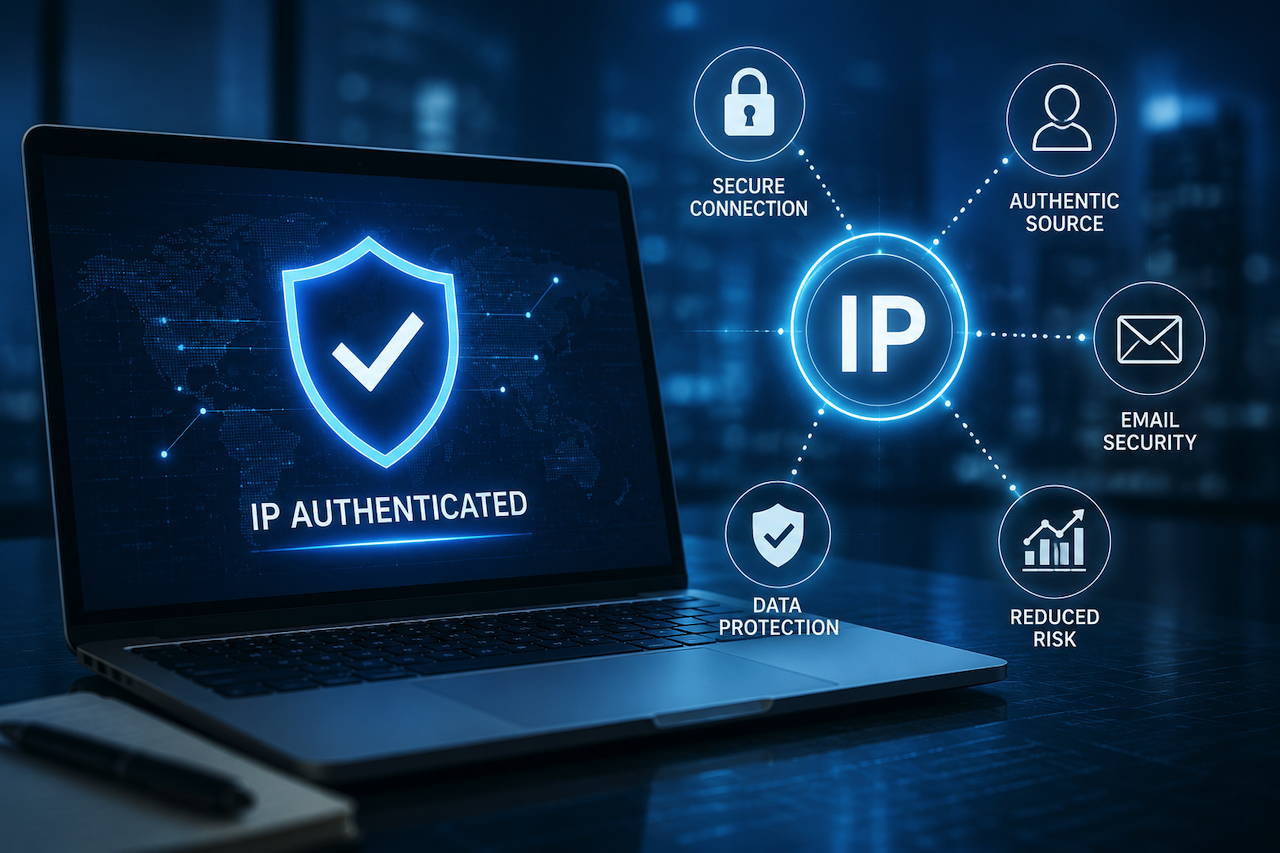
The Importance of IP Address Authentication in Today’s Digital Landscape
In an era where digital presence defines a brand’s reputation, ensuring the authenticity of your IP address is more critical than ever. IP address authentication serves as a key pillar in establishing trust between businesses and their customers. Without it, companies risk falling victim to cyber threats, damaging their credibility, and ultimately losing customer loyalty.
For B2B companies, where relationships are often built on reliability and security, authenticating IP addresses is not merely a technical task-it is a strategic imperative. Accurate authentication helps prevent fraudulent activity, protect sensitive data, and maintain the integrity of online interactions essential to seamless business operations. In fact, 43% of cyberattacks target small to medium-sized businesses, many of which lack robust IP authentication measures, making this a pressing concern for companies of all sizes.
One of the key reasons IP address authentication matters is that it verifies the identity of the source communicating with your network or services. This verification is essential to prevent IP spoofing, where attackers disguise themselves as a trusted entity by falsifying IP addresses. Such attacks can lead to data breaches, unauthorized access, and impersonation, all of which can severely harm brand reputation. Given that email phishing attacks, often facilitated by IP spoofing, account for more than 80% of reported security incidents, authenticating IP addresses is a frontline defense mechanism.
Moreover, the proliferation of remote work and cloud services has expanded the number of IP addresses accessing corporate networks, thereby increasing the attack surface. Without stringent IP authentication, malicious actors can exploit these entry points to infiltrate systems undetected. This dynamic underscores why IP address authentication is not just a backend technicality but a visible aspect of a company’s commitment to cybersecurity.
Implementing robust IP address authentication mechanisms can reduce the risk of spoofing, phishing, and other cyberattacks that exploit false IP identities. This not only protects the company’s digital infrastructure but also reassures clients that the business is committed to maintaining a secure environment. According to a recent study, 68% of customers say they would stop doing business with a company if they experienced a data breach stemming from weak authentication practices.
How IP Address Authentication Builds Brand Trust
Brand trust is a fragile asset that security breaches or deceptive practices can easily compromise. When customers or partners interact with a business, they expect transparency and assurance that their data and communications are protected. IP address authentication plays a crucial role in meeting these expectations by verifying the legitimacy of a business's digital identity.
Some businesses use specialized security platforms such as HERO to support IP authentication, network monitoring, and threat-detection efforts. Another important step is conducting regular audits of IP address usage across the network to help identify unauthorized access points and ensure that IP addresses are properly registered and validated. Some organizations may consult with experts, such as Alltek Holdings, for support related to network management, IP address oversight, and broader cybersecurity practices.
Furthermore, companies that actively manage IP authentication can more effectively monitor network traffic, detect anomalies, and respond swiftly to potential threats. This proactive approach enhances operational resilience and reinforces the brand’s reputation as a trustworthy partner in the digital ecosystem. Businesses that implement multi-layered authentication protocols, including IP verification, experience 50% fewer security incidents, demonstrating the tangible benefits of such measures.
Beyond these security benefits, IP address authentication also improves the customer experience. When clients know their communications come from verified sources, trust deepens, leading to stronger engagement and loyalty. This is especially crucial in sectors like finance, healthcare, and technology, where the exchange of sensitive information is routine. Transparent IP authentication protocols signal to customers that a company prioritizes their privacy and security, fostering long-term relationships.
Practical Steps to Authenticate Your IP Address Effectively
Successfully authenticating your IP address requires a combination of technical solutions and best practices. Integrating IP authentication with other security protocols, such as multi-factor authentication and encryption, creates a layered defense strategy. This holistic approach minimizes vulnerabilities and enhances stakeholders' confidence that your brand is safeguarded against evolving cyber threats.
Implementing technologies like IPsec (Internet Protocol Security) and using protocols such as DNS-based Authentication of Named Entities (DANE) or DomainKeys Identified Mail (DKIM) for email authentication further solidifies IP legitimacy. These tools verify the authenticity of IP addresses and ensure secure communication channels, which is vital for maintaining brand trust.
It is also essential to maintain an updated and accurate inventory of all IP addresses associated with your organization. This inventory helps in quickly identifying anomalies or unauthorized IP usage. Automation tools can assist in continuously monitoring IP address assignments and flagging suspicious activity in real-time, enabling rapid mitigation of potential threats.
Additionally, educating your IT and security teams on the latest IP authentication standards and threat landscapes ensures that your defenses evolve alongside emerging risks. Regular training and awareness programs empower employees to recognize and report suspicious activity related to IP addresses, further strengthening your security posture.
The Business Benefits of Authentic IP Addressing
Beyond security, authenticating your IP address contributes to several strategic business advantages. Firstly, it improves email deliverability by reducing the likelihood that your communications will be marked as spam or phishing attempts. Verified IP addresses build a positive sender reputation, which is critical for marketing campaigns and customer outreach.
Secondly, IP address authentication supports compliance with industry regulations and standards that mandate secure data handling and identity verification. Regulations such as GDPR, HIPAA, and PCI DSS require organizations to maintain stringent security controls, and proper IP authentication helps meet these requirements. Companies that maintain rigorous authentication practices are better positioned to pass audits and avoid costly penalties.
Moreover, a secure and trustworthy digital presence attracts partnerships and opportunities in the B2B space. Businesses are more inclined to collaborate with organizations that demonstrate strong security governance, and IP authentication is a visible sign of such commitment. This trust can lead to expanded business networks, improved client retention, and enhanced competitive advantage.
In addition, companies that authenticate their IP addresses effectively can reduce operational disruptions caused by security incidents. Cyberattacks often lead to costly downtime and damage control efforts. By preventing unauthorized access through IP verification, businesses can maintain smoother operations and protect their bottom line.
An often-overlooked benefit is the enhancement of brand reputation in increasingly security-conscious markets. As cyber threats dominate headlines, customers and partners actively seek vendors with demonstrable security measures. Authentic IP address management signals a company’s proactive stance, setting it apart from competitors and building goodwill.
Emerging Trends and Future Outlook
As cyber threats continue to evolve in complexity and scale, so too must the methods for authenticating IP addresses. The rise of cloud computing, remote workforces, and IoT devices expands the attack surface, making IP authentication more challenging yet more essential.
Emerging technologies such as blockchain offer promising avenues for decentralized and tamper-proof IP authentication frameworks. Blockchain-based identity verification can provide immutable records of IP address assignments and usage, reducing the risk of spoofing and unauthorized changes.
Artificial intelligence and machine learning are also being integrated into network security to analyze IP traffic patterns and detect anomalies in real time. These advanced analytics can identify suspicious behavior related to IP addresses faster than traditional methods, enabling quicker incident response.
Investing in continuous education and training for employees about the importance of IP security and authentication best practices remains crucial. Human error remains a significant vulnerability, and informed staff are better equipped to uphold security protocols.
Looking ahead, the adoption of zero trust security models, which require continuous verification of all network entities, including IP addresses, will become more widespread. This approach assumes no implicit trust and constantly validates every access request, further emphasizing the importance of IP authentication within a broader security framework.
As regulatory bodies update compliance requirements to address emerging digital risks, organizations that prioritize IP address authentication will be better prepared to meet these evolving standards and avoid penalties.
Conclusion: Prioritize IP Address Authentication to Strengthen Brand Trust
In the complex and increasingly risky digital environment, authenticating your IP address is a critical step toward building and maintaining brand trust. It not only protects against cyber threats but also reinforces your company’s commitment to security and reliability. Implementing strong authentication practices and maintaining secure network management can help businesses safeguard their digital identities and foster long-term relationships with clients and partners.
Embracing IP address authentication is no longer optional for B2B companies; it is essential for securing their reputation and competitive edge in the marketplace. Investing time and resources into comprehensive IP authentication strategies will pay dividends in customer confidence, operational security, and overall business success.
By prioritizing IP address authentication today, organizations not only defend themselves against current threats but also future-proof their digital infrastructure against an increasingly sophisticated cyber landscape. This strategic focus ensures that trust remains at the core of every interaction with customers and partners, ultimately driving sustained growth and resilience.
Featured Image generated by ChatGPT.
Related Articles
June 24, 2026
IP Address Intelligence and Its Impact on Modern Risk Management
Companies today rely primarily upon an infrastructure of digital IT resources, therefore identifying and measuring risk associated to these resources is essential to running a succ...
Read More
September 4, 2025
5 Things You Should Know Before Changing Your IP Address
Ever wondered if changing your IP address will make you completely anonymous online? While it's true that switching your IP can give you a fresh digital identity, there's more to t...
Read More
August 8, 2024
How to Secure Your IP Address: A Comprehensive Guide
In today's interconnected world, an IP address is like your digital home address. It's essential for online communication but also makes you susceptible to various cyber threats if...
Read More
Comments
Comments are available to signed-in users and are moderated to keep the discussion useful and respectful. Spam, automated submissions, and low-value promotional comments are removed. Outbound links may be approved when they are relevant and genuinely helpful to readers, but they are displayed as plain text rather than clickable hyperlinks.
No comments have been published yet.
Please sign in to submit a comment.