Being a web host, your servers are constantly being attacked by hackers by
denial-of-service (DoS) and other brute
force attacks. There is no foolproof
method to stop 100% of all attacks, but there are ways to protect your servers
by applying firewall rules, and detecting and banning attacking IPs.
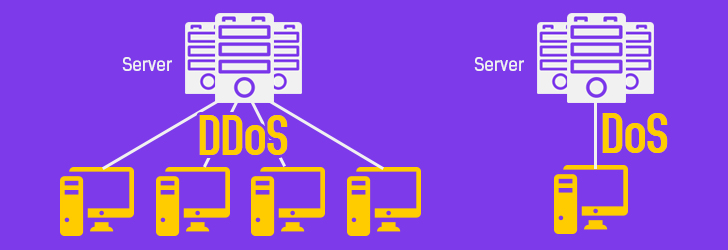
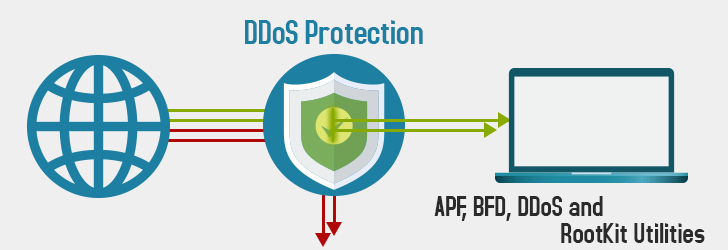
DoS attack, denial-of-service attack, is an explicit attempt to make a computer resource unavailable by
either injecting a computer virus or flooding the network with useless traffic. In simple words, it is similar to thousands of people trying to enter a room from a single entrance, ultimately causing havoc. This not only disturbs the normal operations of the network but also results in poor performance and system breakdown due to overwhelming requests. A large-scale DDoS attack (ranges up to 400 GBps) can affect the internet connectivity of an entire geographical region.
There are two types of DoS attacks: computer attack and network attack. Common
forms of denial of services attacks are:
Changing a web host is nuisance, but there is no reason to tolerate less then optimum service from your current web host if you're not happy with them. If you plan ahead, changing a web host may not be too bad and can be done without downtime or email disruptions. The most important thing to note is not to cancel your existing account until you're done. Even if you hate your current hosting provider, it's essential that you keep your account active until the transfer is complete. Cancelling the account ahead of time will make the transition difficult.
When searching for a reliable web host, consider factors like server uptime, loading speed, customer support, scalability, security features, and pricing. Ensure the host aligns with your website's needs, whether it's a personal blog or e-commerce site, and check for user reviews and recommendations to gauge their reputation.
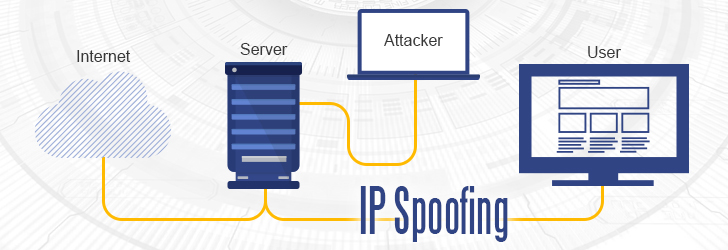
IP Spoofing is a technique used to gain unauthorized access to machines, whereby an attacker illicitly impersonates another machine by manipulating IP packets. IP Spoofing involves modifying the packet header with a forged (spoofed) source IP address, a checksum, and the order value. Internet is a packet switched network, which causes the packets leaving one machine may be arriving at the destination machine in different order. The receiving machine resembles the message based on the order value embedded in the IP header. IP spoofing involves solving the algorithm that is used to select the order sent values, and to modify them correctly.
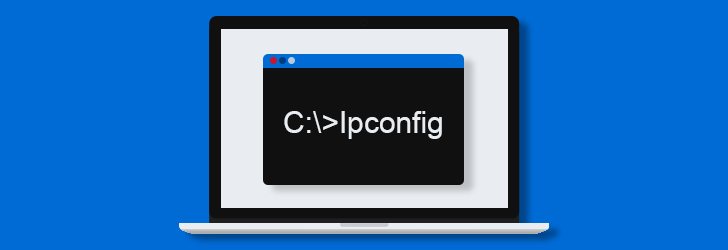
Ipconfig is a MS-DOS command-line tool used to display and manage the network settings of your computer. Ipconfig is available on Windows machines, and it displays the current network connection details and DHCP client settings.
A Proxy server is a computer that sits between a client computer and the Internet and provides indirect network services to a client. A proxy server intercepts all client requests and provides responses from its cache or forwards the request to the real server.
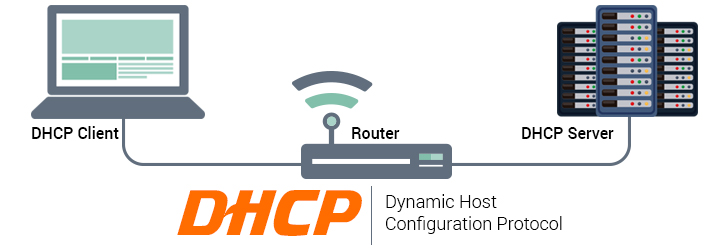
The Dynamic Host Configuration Protocol (DHCP) is a network protocol that functions at the application layer of the Internet Protocol (IP) suite. A server that uses DHCP will be able to dynamically assign IP Addresses and other network configuration parameters to devices on the network; thus, allowing communication to a second network. The protocol can be implemented in networks of any size, ranging from small home area networks (HANs) to large campus area networks (CANs) and even the networks used by Internet Service Providers (ISPs).
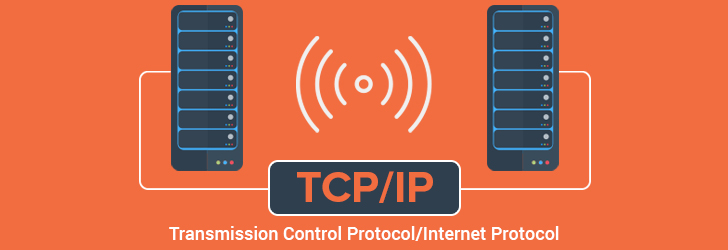
TCP/IP, Transmission Control
Protocol/Internet Protocol,
is the suite of two protocols, TCP and IP, used to interconnect network devices
on the Internet. The TCP performs the handshake between the network devices to establish a socket. The socket remains open during the communication. The source TCP converts the data into packets and sends them to the destination TCP. The TCP performs acknowledgment for the successful delivery of the packets. If a packet drops on the way, the source TCP resends the packet. The IP layer is responsible for sending and receiving the data to the correct destination. The TCP/IP stack is comprised of the following layers.
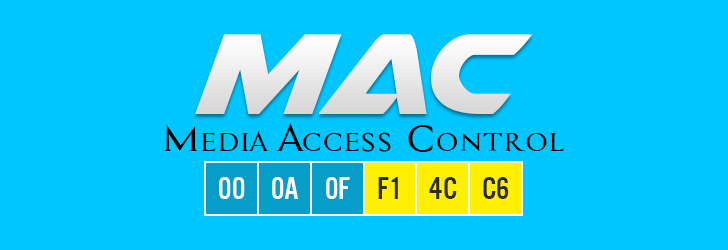
MAC, Media Access Control,
address is a globally unique identifier assigned to network devices, and
therefore it is often referred to as hardware or physical address. MAC
addresses are 6-byte (48-bits) in length, and are written in MM:MM:MM:SS:SS:SS
format. The first 3-bytes are the ID number of the manufacturer, which is assigned
by an Internet standards body. The second 3-bytes are serial numbers assigned
by the manufacturer.
At IPLocation.net, we prioritize the privacy and security of our visitors. We want you to feel confident and comfortable when browsing our website. That's why we want to assure you that we do not sell or share any personal information collected from our website.
Your trust is important to us. Whether you're browsing our site for information, or engaging with our content, rest assured that any data you provide remains strictly confidential. We adhere to stringent privacy policies and comply with all relevant regulations to safeguard your information.
Your privacy matters, and we are committed to maintaining the highest standards of data protection. If you have any questions or concerns regarding our privacy practices, please don't hesitate to reach out to us.