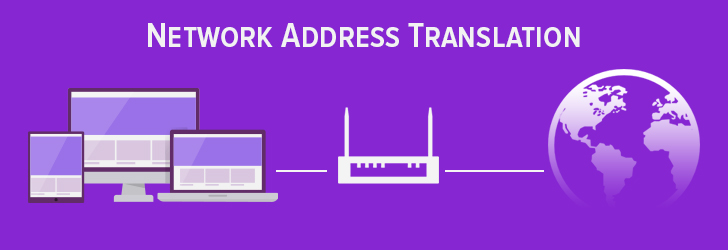
Network Address Translation (NAT) is the process of remapping one IP Address space into another by modifying the network addressing information in IP header packets. This process occurs while the packets are in transit across a traffic routing device and was originally used as a shortcut instead of having every individual host readdressed whenever a network was moved. Since then, however, especially thanks to the exhaustion of IPv4 addresses, NAT has become a popular and essential tool for conserving global address space. This is because even just one Internet-routable IP Address of a NAT gateway can be used for an entire private network.

Cyberbullying has been around for decades, but it isn’t until today that it has been catapulted as one of society's biggest social issues. With technology’s unprecedented growth comes the increased integration of these innovations into our everyday lives. More and more people are being sucked into the void of social media, regardless of race, age, or social standing.
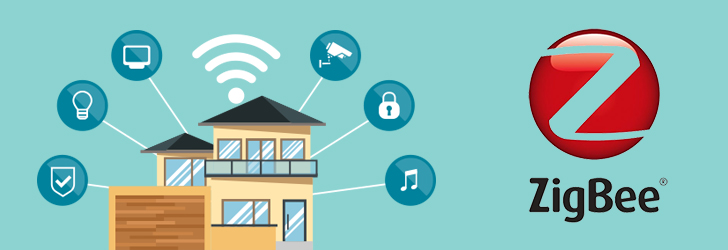
With a plethora of high data rate communication standards not suitable for communicating with sensors and actuators, a system designer primarily looks for a standard to work effectively with low-power requirements and low-latency. Though it was initially built as an alternative to Bluetooth because of its inefficacy to work in certain applications, ZigBee is best suited for IoT devices including industrial automation, embedded systems, home automation, etc.
If you've ever noticed any strange activities on your social media account such as unknown posts, messages or notifications? If so, then you may have been hacked. A small hack of your social media account may result in some embarrassing posts or photos that you disagree with but are primarily a joke. However, large attacks can be serious, potentially leading to the theft of personal and financial information or even identity theft.
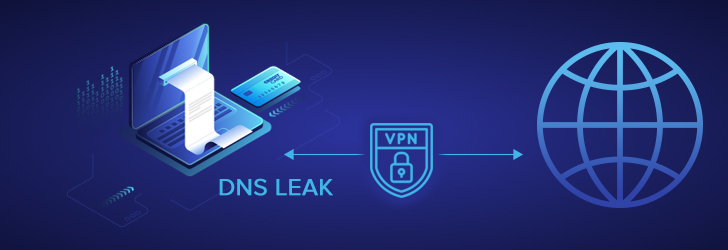
Domain Name Service (DNS) is a mapping of a domain name to an IP address, so that humans can remember computer address by a domain name instead of IP address. A DNS service is requested automatically when someone enters an web address on the web browser, so that the server knows how to find a website. When a user connects to the internet via a home router, the router gets an IP address and DNS server IP addresses via the DHCP it's Internet Service Provider (ISP). You may choose to use public DNS servers instead of the ones provided by your ISP by configuring your Internet connection manually.
Multi-factor authentication also commonly known as MFA is an authentication process where more than one authentication mechanism is incorporated. A common implementation of MFA is the 2FA, which stands for 2-factor authentication. In a 2FA, two different authentication mechanisms are combined to successfully authenticate a user.
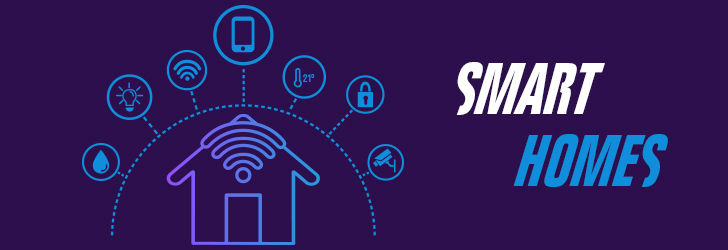
Due to the advancement in network technology, a trend in “Smart Homes” has developed allowing users to control each device remotely in their home. In this article, we will define what a Smart Home is, what technologies are used, and how this can be advantageous to homeowners.
Tor is a free software program that allows users to communicate anonymously. The name, Tor is an acronym that has been derived from the original name of the software project, which was The Onion Router. This software directs all Internet traffic and usage through a free volunteer network that exists worldwide, and has over six thousand relays to hide ip and location of the user; and hide Internet usage from individuals and authorities that are in charge of carrying out traffic analysis or network surveillance.
An Internet Service Provider (ISP) is an organization which provides internet services to users. These organizations can be commercial, non-profit, private, or even community-owned. One of the key services they provide is the ability for their users to access the Internet. Laptops, computers, mobile devices, and any smart device that is capable of connecting to the Internet will require an ISP to connect to the Internet. To accomplish this, the ISP will provide the user with their own IP Address, which may be static or dynamic, to use as identification while surfing the internet. The user would then browse a website from their web browser by typing in its website name; let's say, iplocation.net. This website name (domain name) would be translated into its own IP Address which uniquely identifies the website via DNS. This IP Address is then sent to the user's local router which is then forwarded to the user's ISP and then from there; to iplocation's ISP via ISP Switching centers like Metropolitan Area Exchange (MAE). Other services an ISP may provide include Internet transit, web hosting, Usenet service, and co-location services. Internet transit is a service provided to allow a smaller ISP to connect to the Internet and have their network traffic "transit" over a network. Web Hosting is provided to users who require a means to keep their website active and available but lack the equipment to do it themselves. Usenet was one of the first means of communication on the Internet that was designed back in the 70s and is no longer used. Finally, co-location is the service of providing server space and equipment for rental to hosting customers.
If you're in the US, you may know that the recent repeal of the FCC's online net neutrality rules means that your Internet Service Provider (ISP) can sell your web history to outside parties.
You’ll likely have no idea who these third parties are and what they’re doing with your data.
At IPLocation.net, we prioritize the privacy and security of our visitors. We want you to feel confident and comfortable when browsing our website. That's why we want to assure you that we do not sell or share any personal information collected from our website.
Your trust is important to us. Whether you're browsing our site for information, or engaging with our content, rest assured that any data you provide remains strictly confidential. We adhere to stringent privacy policies and comply with all relevant regulations to safeguard your information.
Your privacy matters, and we are committed to maintaining the highest standards of data protection. If you have any questions or concerns regarding our privacy practices, please don't hesitate to reach out to us.