

World-Class Digital Entertainment: A Practical Guide to Stress-Free Streaming in 2026
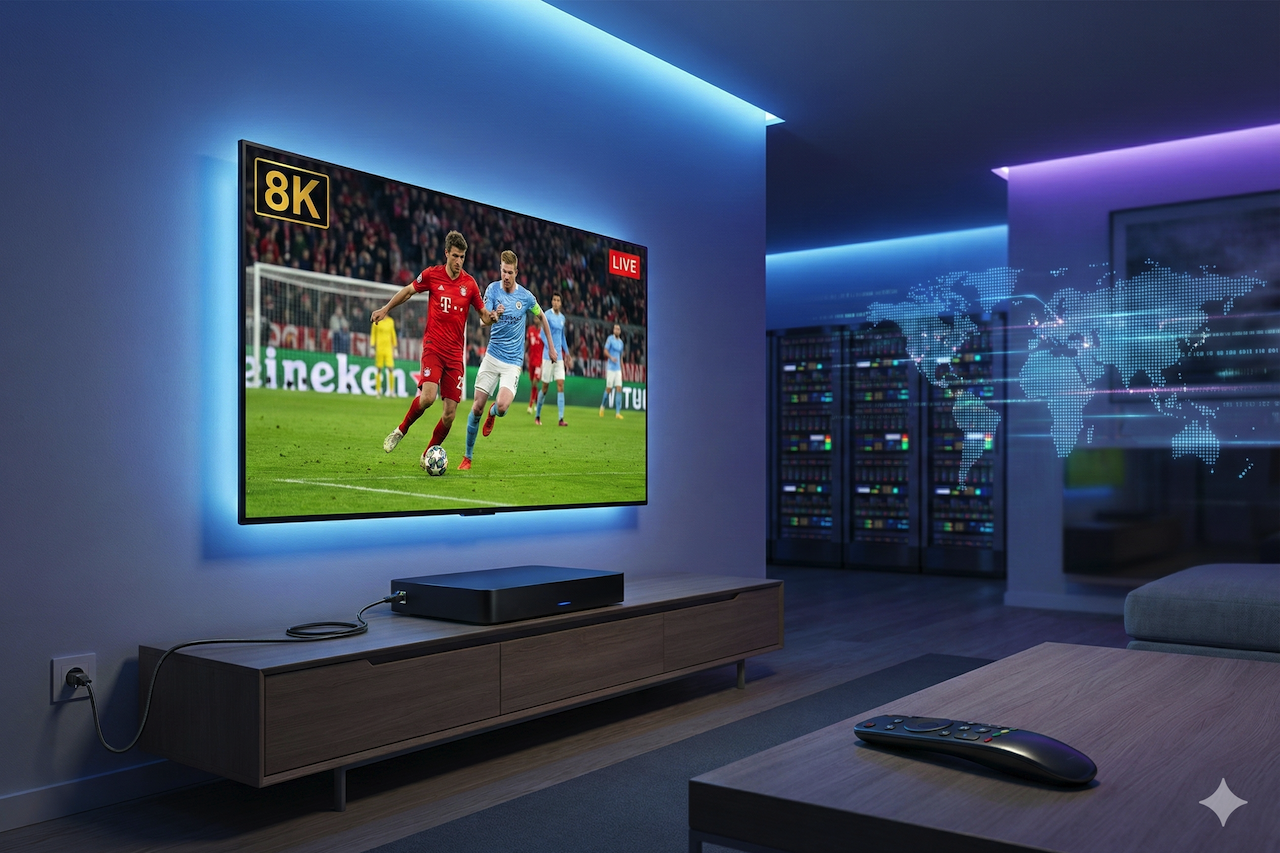
Modern audiences have become early adopters of digital technology. From smart home devices to high-speed internet connections, households increasingly expect flexibility and control over how they consume entertainment. Traditional TV subscriptions—with rigid bundles, fixed schedules, and rising costs—are quickly becoming outdated. Today’s viewers want choice, which is why IPTV has evolved from a niche option for tech enthusiasts into a mainstream alternative for everyday streaming.
That said, even with fast broadband connections, streaming is not always as simple as “plug and play.” Many people have experienced buffering during a live sports match or a sudden quality drop at the worst possible moment. To move from a glitchy feed to a smooth 4K home cinema experience, it helps to understand the technical factors that influence best IPTV performance.
1. The Quality Quest: More Than Just a Long Channel List
When choosing a service, it’s easy to be distracted by providers advertising tens of thousands of channels. In practice, volume means very little if the streams are unstable. In 2026, reliability is far more important than sheer quantity.
Selecting an IPTV service is a bit like choosing a vehicle for unpredictable conditions—you want something dependable that works consistently, even under heavy load. A premium subscription should feel almost invisible. Channel switching should be quick, the electronic program guide accurate, and streams stable during major live events when large audiences tune in at once.
Offers that seem “too good to be true” often cut corners on infrastructure and support. High-quality streaming requires ongoing investment in servers, bandwidth, and maintenance, especially during peak viewing hours.
2. Infrastructure: Why Fast Internet Alone Isn’t Always Enough
Many users wonder why streaming lags despite having a high-speed fiber connection. The answer is often not raw speed, but network stability. Live streaming data is perishable. Unlike on-demand video, which can buffer far in advance, live broadcasts must be delivered in real time.
Wireless connections are one of the most common sources of streaming problems. Wi-Fi is convenient, but it is also vulnerable to interference from walls, nearby networks, and household devices. Live video is especially sensitive to packet loss and jitter.
For a more consistent experience, a wired Ethernet connection remains the most reliable option. Connecting a streaming device directly to the router removes many sources of interference and can eliminate a large percentage of buffering issues. It’s a simple upgrade that often makes a noticeable difference.
3. Geography, Routing, and the Privacy Layer
Streaming performance is also influenced by how data travels across networks. Traffic does not always take the shortest route between a provider and a viewer. Routing decisions, congestion, and traffic management policies can introduce latency, making channel switching feel slow or unresponsive.
Tools such as an IP address lookup can help users understand where their traffic is being routed and whether delays are occurring during peak hours. In some cases, internet service providers may deprioritize high-bandwidth video traffic when networks are congested.
For this reason, some users choose to use a VPN. By encrypting traffic, a VPN can reduce the likelihood of throttling and create a more consistent connection between the streaming device and the provider’s servers. It also adds a privacy benefit by limiting how much viewing data is visible to intermediaries.
4. Hardware: The “Brain” of Your Home Cinema
The device used for streaming plays a major role in overall performance. While built-in smart TV apps are convenient, they are often limited by lower-power hardware and infrequent updates. For users who want a more responsive experience, a dedicated media player can be a worthwhile investment.
Purpose-built streaming devices are designed for modern codecs, high bitrates, and advanced video formats such as 4K HDR. With stronger processors and more memory, they deliver smoother navigation, faster channel changes, and greater stability. When paired with well-maintained player software, streaming can feel as responsive as traditional television—only with far better image quality.
5. The Future of Digital Entertainment
The shift toward IPTV and streaming platforms is about more than technology; it’s about control. Viewers want to decide what they watch, when they watch it, and on which device, without being locked into expensive contracts or oversized channel bundles.
By choosing a reliable service, optimizing the home network, and using capable hardware, it’s possible to build a setup that simply works in the background. The goal is not constant troubleshooting, but uninterrupted viewing.
In 2026, digital entertainment continues to evolve rapidly. A well-optimized IPTV setup offers flexibility, consistency, and convenience, allowing viewers to focus less on technical issues and more on enjoying the content itself.
Conclusion
IPTV and modern streaming are no longer just alternatives; they’re becoming the default for viewers who want flexibility and control. But a smooth experience depends on more than a fast internet plan. Choosing a reliable provider, using a stable home network (ideally wired), and investing in capable hardware can eliminate most common issues like buffering, lag, and inconsistent quality.
With the right setup, streaming becomes something you don’t have to think about—so you can focus on the entertainment, not the troubleshooting.
Featured Image generated by Google Gemini.
Comments
Comments are available to signed-in users and are moderated to keep the discussion useful and respectful. Spam, automated submissions, and low-value promotional comments are removed. Outbound links may be approved when they are relevant and genuinely helpful to readers, but they are displayed as plain text rather than clickable hyperlinks.
No comments have been published yet.
Please sign in to submit a comment.