
In the digital era where SaaS platforms process billions in recurring revenue annually, payment security has become non-negotiable. The 2023 Verizon Data Breach Investigations Report revealed that 85% of web application breaches involved credential theft, with financial systems being prime targets. For subscription businesses, this creates a double vulnerability: compromised accounts can lead to both data theft and ongoing fraudulent transactions.
Understanding Modern 2FA Systems
Two-Factor Authentication has evolved significantly from early SMS-based implementations. Today's robust systems, like those implemented in SaaS payment platforms, combine multiple verification methods:
1. Time-Based One-Time Passwords (TOTP)
- Generates 6-digit codes refreshed every 30–60 seconds
- Uses cryptographic algorithms synchronized between server and device
- Compatible with authenticator apps (Google Authenticator, Authy, Microsoft Authenticator)
2. Push Notification Verification
- Instant approval requests sent to registered devices
- Includes transaction details for context-aware authorization
- Eliminates manual code entry for better user experience
3. Biometric Fallbacks
- Fingerprint or facial recognition as backup verification
- Particularly useful for mobile payment approvals
- Meets PSD2 Strong Customer Authentication requirements
Example Implementation: When logging into a billing dashboard, users first enter their password (knowledge factor), then approve the login through their authenticator app (possession factor). For sensitive actions like changing payment methods, additional biometric verification may be required (inherence factor).
The Anatomy of Payment System Vulnerabilities
Understanding why 2FA matters requires examining how attackers target billing systems.
Common Attack Vectors
- Credential stuffing (using breached passwords from other sites)
- Phishing campaigns mimicking billing portals
- Session hijacking on unsecured networks
- Social engineering targeting customer support
Specific SaaS Risks
- Subscription Hijacking: Attackers extend services using stolen cards
- Invoice Manipulation: Altering payment details before processing
- Data Exfiltration: Exporting customer payment histories
- Admin Account Takeover: Full control over billing operations
Real-World Impact: A 2022 case study showed a mid-sized SaaS company lost $240,000 in fraudulent transactions before implementing 2FA, all from compromised customer accounts without payment verification.
Implementing 2FA: Technical Considerations for Developers
For technical readers on IPLocation.net, these implementation details matter:
Backend Requirements
- RFC 6238 compliant TOTP servers
- Secure secret key generation and storage
- Rate limiting for authentication attempts
- Emergency bypass procedures (with audit logging)
Frontend Best Practices
- Clear UX indicators when 2FA is required
- Backup code generation and secure distribution
- Device recognition to reduce authentication friction
- Progressive rollout strategies for user adoption
Modern platforms now architect 2FA with developer experience in mind. For instance, SaaS payment systems such as UniBee implement RFC 6238-compliant TOTP with additional safeguards, automatically enforcing 2FA for all administrative actions while allowing configurable policies for different user roles. This approach demonstrates how to balance security mandates with operational flexibility, providing both API-level controls and user-friendly enrollment flows that reduce typical implementation friction by approximately 40% compared to custom-built solutions (based on internal benchmarks of average integration timelines).
Beyond Basic 2FA: Advanced Payment Security Measures
While 2FA provides essential protection, leading platforms combine it with:
1. Transaction Signing
- Requires separate approval for high-risk actions
- Includes contextual details (amount, recipient)
2. Behavioral Biometrics
- Analyzes typing patterns and mouse movements
- Detects account sharing or compromised devices
3. Device Fingerprinting
- Recognizes trusted devices
- Flags suspicious login locations (tying back to IPLocation.net's core topic)
4. Step-Up Authentication
- Increases verification requirements for sensitive actions
- Balances security and usability
Compliance Landscape for Payment Security
Modern 2FA implementations help meet:
- PCI DSS Requirement 8.3: Multi-factor authentication for all non-console access
- GDPR Article 32: Appropriate technical measures for data security
- PSD2 SCA: Payment Services Directive's Strong Customer Authentication
- SOC 2: Common requirement for SaaS providers
The Future of Authentication
Emerging technologies that will shape payment security:
- Passkeys: FIDO2 passwordless authentication
- Decentralized Identity: Blockchain-based credential verification
- AI-Powered Anomaly Detection: Real-time risk assessment
- Quantum-Resistant Cryptography: Preparing for future threats
Conclusion: Security as Competitive Advantage
For SaaS businesses, implementing robust 2FA isn't just about risk mitigation; it's becoming a market expectation. A 2023 Stripe survey showed 78% of B2B buyers consider payment security features when choosing subscription software. By adopting modern authentication standards, platforms demonstrate both technical maturity and commitment to customer protection.
As attackers grow more sophisticated, the billing system as the financial heart of any SaaS operation, demands defense-in-depth security. Two-factor authentication serves as the critical gatekeeper in this architecture, ensuring that only authorized users can access payment functionality while maintaining the seamless experience subscribers expect.
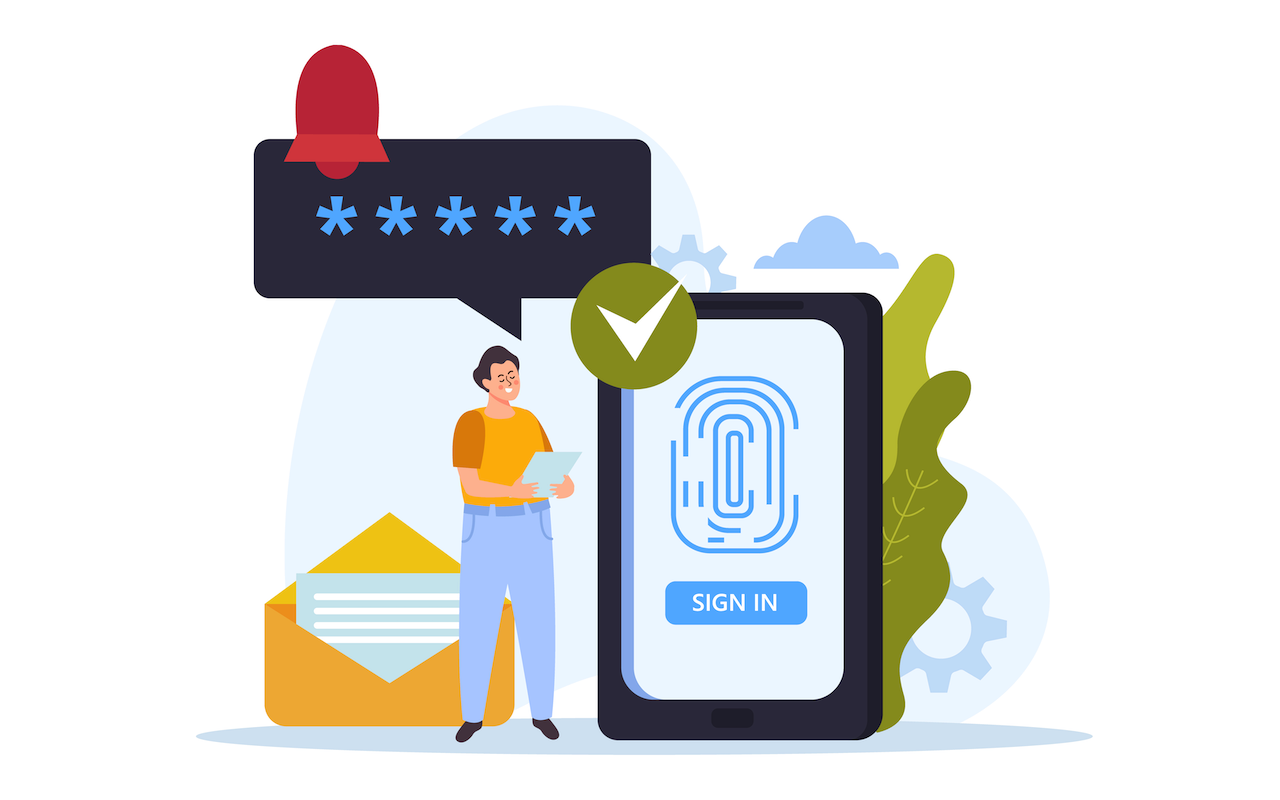
Featured Image by Freepik.
Share this post
Leave a comment
All comments are moderated. Spammy and bot submitted comments are deleted. Please submit the comments that are helpful to others, and we'll approve your comments. A comment that includes outbound link will only be approved if the content is relevant to the topic, and has some value to our readers.
Comments (0)
No comment