
For years, the conversation around enterprise technology has been dominated by cloud adoption, digital transformation, and the shift toward distributed systems. Yet while businesses race to modernize their infrastructure, one piece of technology quietly continues to run much of the world: the mainframe. Far from being obsolete, mainframes remain central to industries that handle massive volumes of sensitive data, from banking and healthcare to government operations. And when you look at the modern landscape of cybersecurity challenges, the value of specialized mainframe services becomes even clearer.
Mainframes aren’t just legacy machines kept alive out of habit. They offer structural advantages that cloud-based environments still struggle to replicate, particularly when it comes to security, reliability and transactional integrity.
A Quiet Foundation Beneath the Digital Economy
Most consumers never see a mainframe, yet they interact with mainframe-driven systems constantly. Every time someone withdraws money, checks a credit card balance, files a claim or updates insurance information, there’s a high chance the process is supported by mainframe infrastructure. These transactions demand consistency and near-perfect uptime, qualities mainframes were designed to deliver.
Despite the rise of cloud platforms, many enterprises still rely on mainframes because they remain unmatched in handling enormous workloads without performance degradation. Where distributed systems can struggle with bottlenecks, mainframes handle millions of transactions per second with predictable stability.
Security by Design, Not by Patchwork
One of the major reasons mainframes continue to matter is their architecture. They weren’t built with security patched on top, they were engineered from the ground up to control access, protect data and maintain strict auditability.
Cloud environments, although sophisticated, are inherently more exposed. They rely on countless integrations, APIs, external identity systems and hybrid connections that expand the attack surface. Mainframes, by contrast, operate within tightly controlled environments, where access rules are centralised and deeply embedded in the system’s core.
Research frequently noted by IBM security and other enterprise cybersecurity experts shows that mainframes experience significantly fewer breaches per capita than distributed systems. This isn’t coincidence, it’s the result of architecture deliberately optimized for integrity.
Unmatched Encryption and Access Control
Modern mainframes include integrated cryptographic hardware that performs high-speed encryption without slowing down applications, a critical advantage for industries handling enormous transaction volumes. Access to data is governed through granular, role-based controls that are exceptionally difficult to bypass.
Unlike distributed environments where permissions can drift or become inconsistent over time, mainframe access rules tend to remain stable and enforceable across decades of workload evolution. This consistency is one reason mainframes remain a top choice for organisations that cannot afford even minor lapses in security.
Why Cloud Migration Doesn’t Always Improve Security
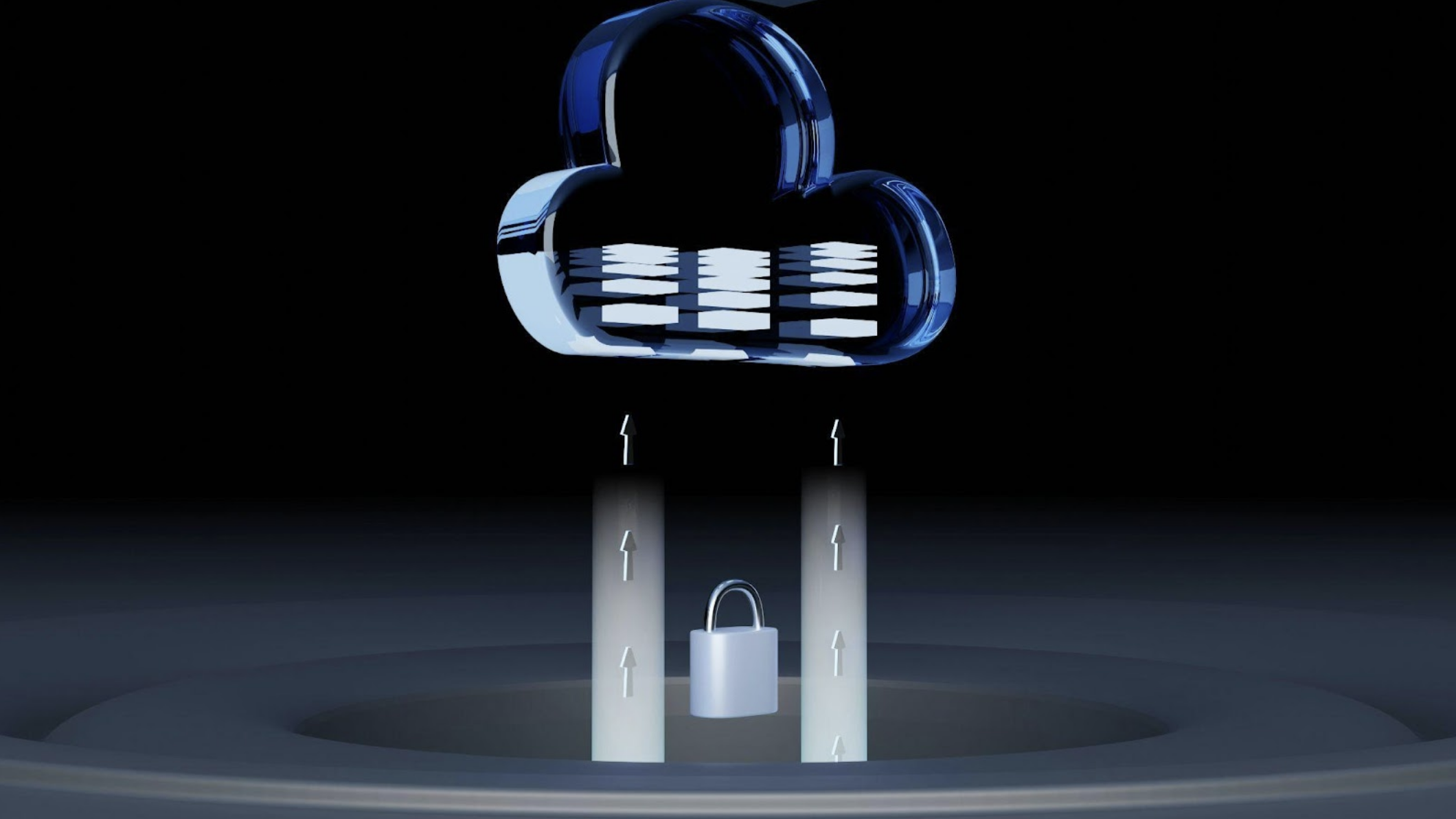
Image by Unsplash.
Cloud providers have made enormous strides in security, but moving sensitive workloads into multi-tenant environments introduces new risks. Lateral movement, misconfigured buckets, unsecured interfaces and identity breaches are among the most frequent causes of cloud incidents.
Many organizations discover that the promise of modernization doesn’t automatically translate into stronger protection. The complexity of cloud security stacks can actually increase vulnerability. That’s why many enterprise leaders now opt for hybrid environments, keeping their most sensitive transactional systems on mainframes while using cloud platforms for user-facing applications, analytics or distributed processing.
This balanced approach allows organizations to benefit from cloud flexibility without sacrificing the foundational security that mainframes provide.
Auditability That Meets the Highest Compliance Standards
Mainframes excel in environments where audit trails are non-negotiable. Financial institutions, government agencies, and insurance providers must maintain logs that are accurate, tamper-resistant, and audit-ready at all times.
Mainframe audit frameworks provide a level of reliability and traceability that many cloud tools attempt to replicate but rarely match. For example, every action inside a mainframe can be logged at the system level, ensuring that access anomalies or suspicious movements are identified quickly. This is essential for meeting regulatory standards such as PCI-DSS, HIPAA, SOX and GDPR.
Modern Mainframes Are Not the Machines of the Past
Today’s mainframes integrate seamlessly with modern workloads. APIs, containers, automation frameworks and DevOps pipelines allow enterprises to bridge mainframe power with cloud agility. This ability to operate in hybrid environments is one reason mainframes have enjoyed renewed attention.
While the hardware remains incredibly robust, the software ecosystem around mainframes has evolved dramatically. Businesses can now modernize interfaces, optimize batch workloads, implement automated monitoring and enhance system resilience while still relying on the unparalleled security foundation mainframes offer.
Why Mainframes Still Matter Today
In an era when cyber threats evolve daily and digital transactions multiply by the millions, robust, and predictable infrastructure is not optional. Mainframes remain relevant because they provide exactly that, a stable backbone for mission-critical data.
As cloud adoption continues, the enterprises that thrive will be the ones that balance innovation with foundational stability. Keeping mainframe services at the core of sensitive operations ensures that businesses don’t sacrifice security in the pursuit of modernisation.
Mainframes may operate quietly, but their impact is unmistakable. And in a world where security can make or break an organisation, their relevance is not fading, it’s becoming more visible than ever.
Featured Image by Unsplash.
Share this post
Leave a comment
All comments are moderated. Spammy and bot submitted comments are deleted. Please submit the comments that are helpful to others, and we'll approve your comments. A comment that includes outbound link will only be approved if the content is relevant to the topic, and has some value to our readers.
Comments (0)
No comment