
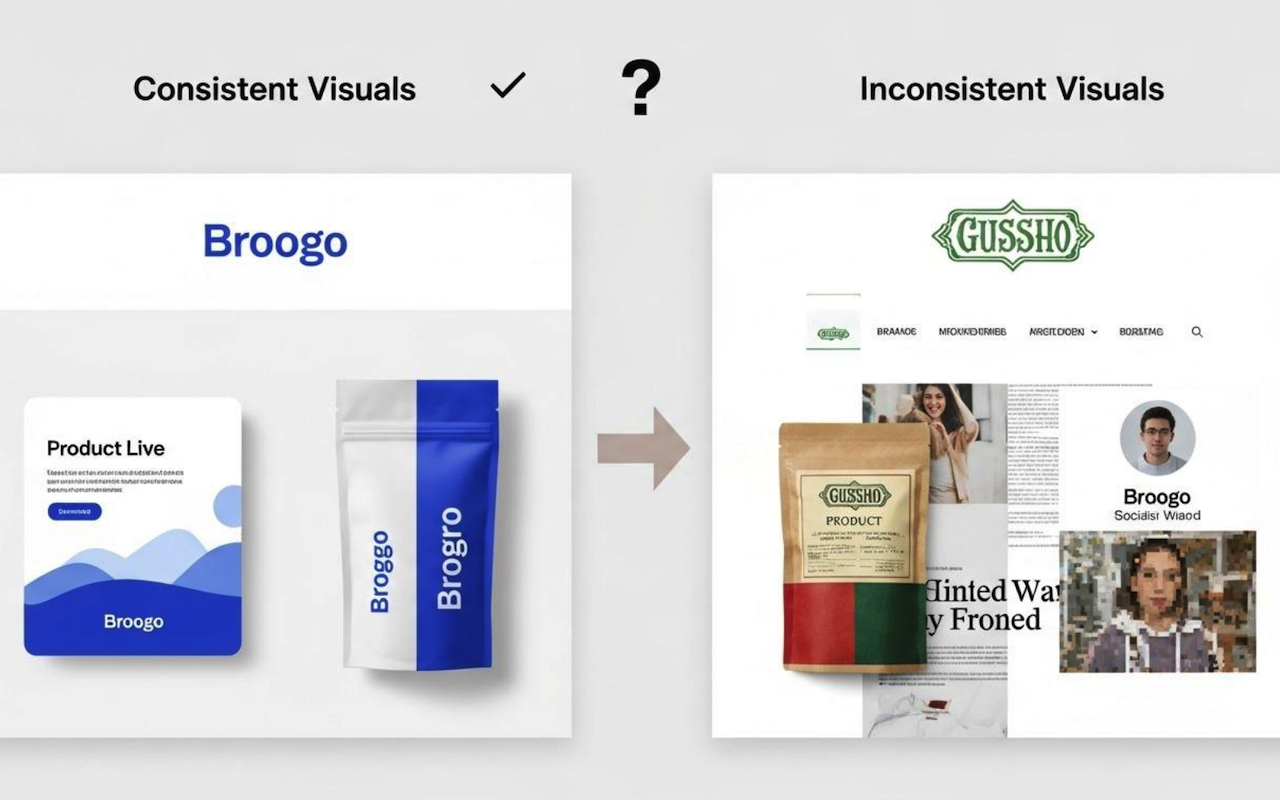
Today, how a brand looks can make or break it. People decide what they think in an instant. They rely on visual cues to determine quality and reliability. This reliance makes brand visual consistency the most critical factor for establishing market trust. The entire visual identity must be immediately recognizable. It needs to feel professional and reliable across every single interaction point.
Visual consistency isn’t just about a logo. It’s about using the same colors everywhere. The fonts should match, too. And the style should feel the same across all materials. When a brand maintains this unity, it significantly enhances recognition. It naturally builds user trust. Conversely, if colors shift, logos stretch, or fonts vary across platforms, the brand looks disorganized. It appears amateur. When your visuals don’t match, customers start to doubt your business. It also makes marketing really hard for small shops.
Consistency Challenges for Small Business Owners
For the independent retailer or the typical small business owner, maintaining perfect visual unity is a constant, exhausting struggle. They face unique difficulties that large corporations easily overcome, primarily stemming from a lack of budget and expertise:
- Financial Limitations: Full brand design packages are simply too expensive. They cannot hire a professional design agency to handle every single visual asset they require. They must find alternatives that are both effective and affordable to maintain quality.
- Skill Gaps: Founders or single staff members usually manage all design duties. They often lack the specific graphic design skills needed to ensure precise color matching and font usage across platforms. This often results in unsatisfying design results and accidental visual errors.
- High Volume Needs: Store owners constantly need quickly changing menus, daily promotional posters, and seasonal marketing campaigns. Struggling to maintain consistency in everyday poster designs is a major pain point. They also struggle significantly with the constant need to update in-store visuals effectively.
This scenario often leads to a fragmented visual identity. The beautiful storefront sign uses one font. The flyer printed yesterday uses another. The social media ad uses a third color variation entirely. This kind of inconsistency creates visual chaos—something modern AI design tools aim to eliminate by helping brands maintain unified colors, fonts, and styles across all assets.
How Modern AI Agent Resolves Visual Consistency Challenges
Many small businesses struggle to maintain a cohesive brand identity, especially when visual tasks are handled manually or by multiple people. Modern AI-powered design tools help address these challenges by supporting brand consistency from the initial concept all the way to final asset creation.
These tools generally tackle the visual consistency problem through three core capabilities: automation, archiving, and multi-channel output.
1. Automation via Detailed Text Prompts
Instead of starting with rigid templates, many AI design systems allow users to generate visuals based on detailed text descriptions. By providing a brand story, preferred colors, reference sketches, or style directions, users can shape the logo design and overall identity more precisely.
One major advantage is the automated generation of brand guidelines. Many tools can instantly produce a full set of visual standards—including logo variations, color palettes, and recommended fonts—removing the need for manual documentation and helping ensure consistency from the start.
2. Brand Element Preservation and Archiving
Maintaining consistency becomes harder after a brand launches. AI platforms often include a brand archive or asset library that stores all key elements—logos, fonts, color codes, and past designs—in one place.
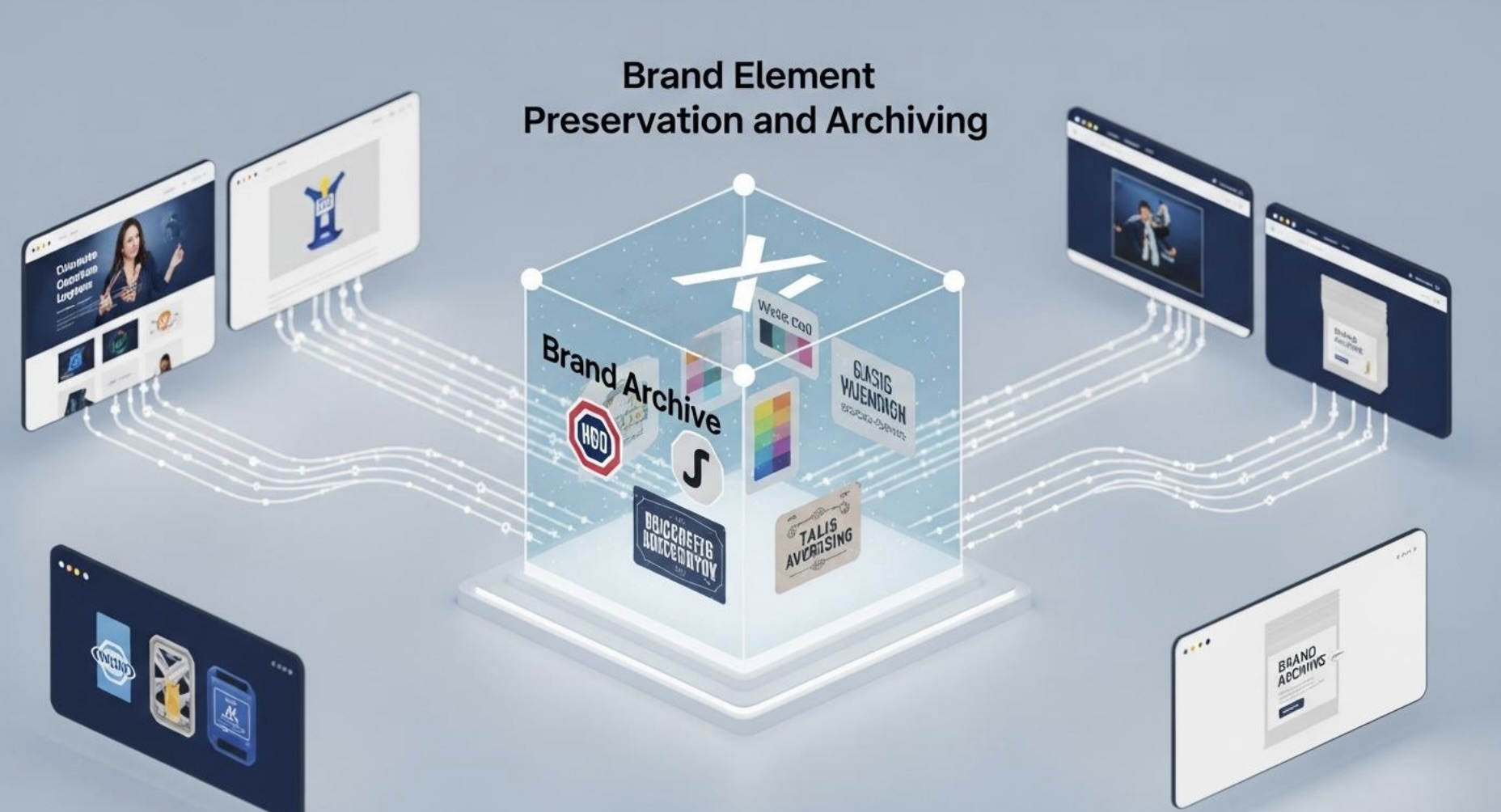
When business owners need to update menus, posters, or seasonal graphics, they can either start fresh or upload a reference image. The tool then applies the existing brand style automatically. Layered outputs allow for easy edits, and built-in image enhancement features help keep photo assets sharp and suitable for print or digital use.
3. Multi-Channel Output Support
Visual consistency matters across every channel—physical and digital. Many AI design systems support this by offering features that adjust branding for various formats:
- Physical Assets: Concept mockups for in-store materials, product packaging, signage, business cards, labels, and more.
- Digital Assets: Optimized visuals for websites, social media templates, banners, ads, and promotional graphics.
This ensures that a brand looks unified whether it appears on a storefront poster or an online campaign.
How AI Design Tools Support Brand Visual Consistency: A Practical Example
Imagine a founder preparing to launch a small gift shop. They want a visual identity that feels elegant, blends vintage charm with modern details, and remains consistent across all materials.
Brand Concept Input
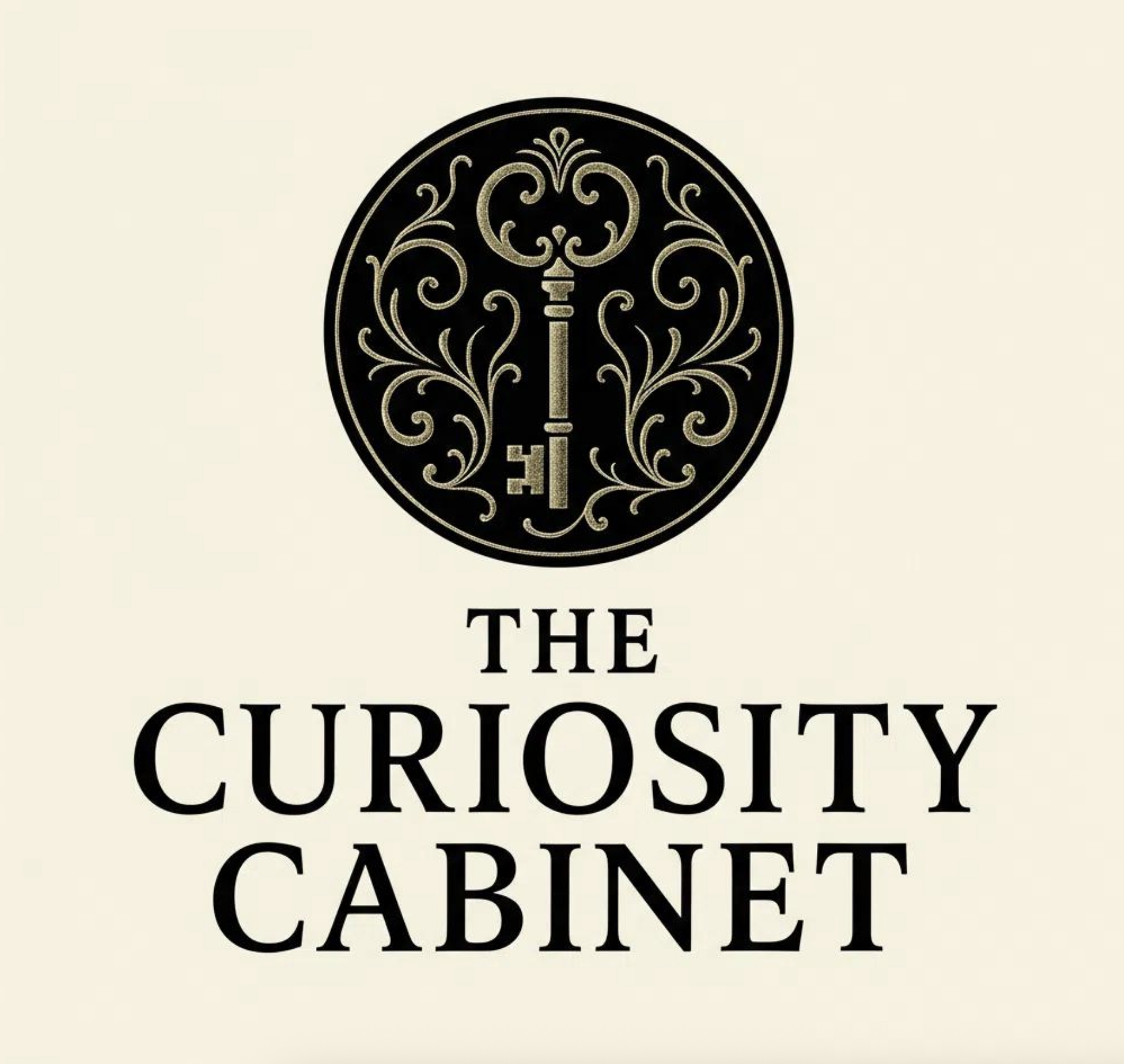
“Design a logo and visual identity for ‘The Curiosity Cabinet.’ Use deep emerald green with gold accents. Include a key or lock motif within a circular frame. Provide assets suitable for both web and social media.”
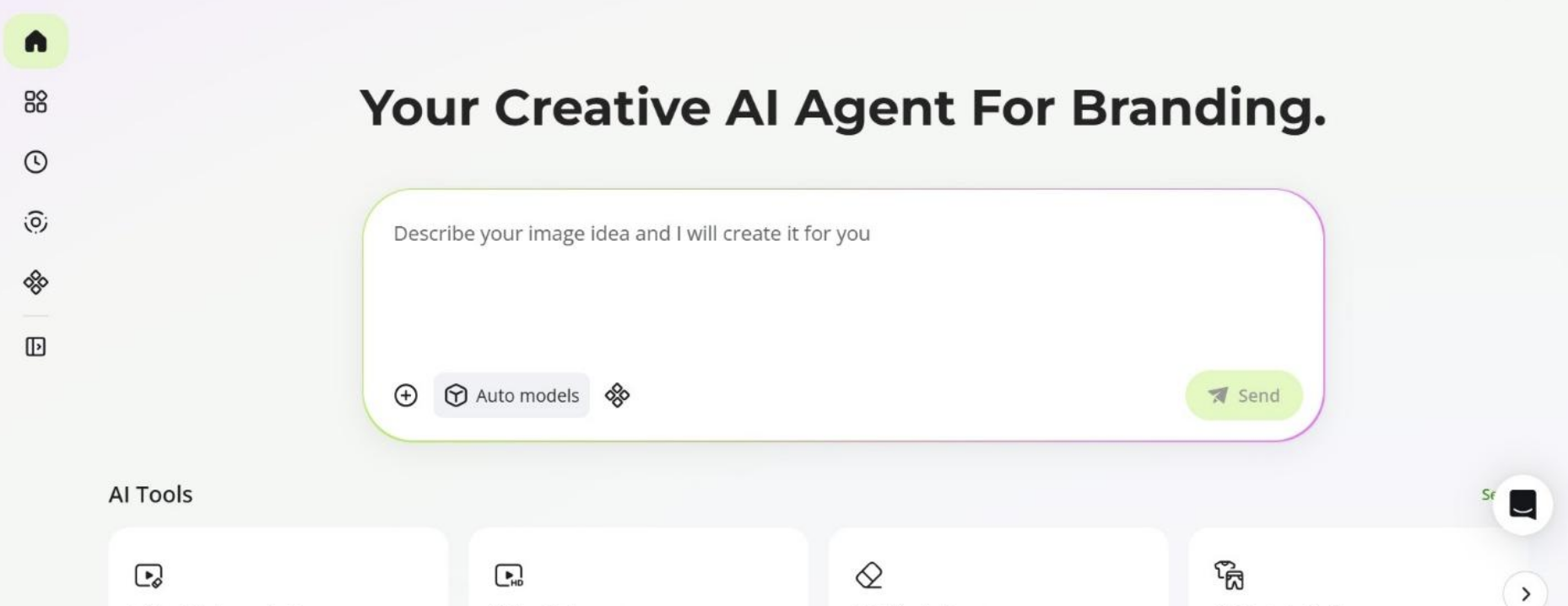
Resulting Outputs Using an AI Design Tool
Brand Guidelines
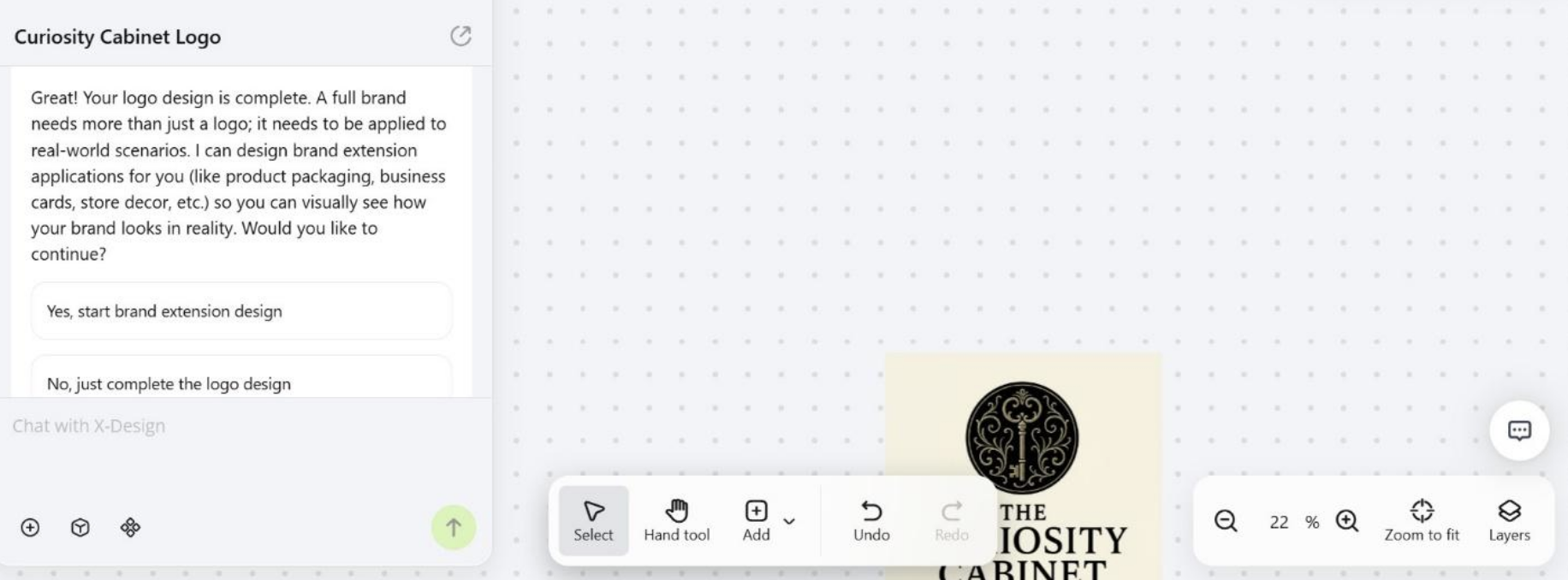
The tool generates a full set of guidelines, including exact color codes and an appropriate serif font.
Logo Set
Multiple logo variations are created using an AI logo generator, ranging from detailed versions for print to simplified icons suitable for social media avatars.
Application Across Assets
The stored brand elements are applied consistently to the price list, website banner, and in-store signage. Enhanced product photos maintain quality across all marketing materials.
Outcome
The brand appears cohesive everywhere—from the storefront visuals to digital channels—while reducing time, cost, and the inconsistencies that often occur with manual design work.
Conclusion
Strong visual consistency is one of the most effective ways to build recognition and trust. With modern AI-powered design tools, maintaining a unified brand identity is no longer a difficult or costly process. By streamlining brand elements and ensuring they stay aligned across every channel, businesses can present a polished, cohesive image from day one.
Share this post
Leave a comment
All comments are moderated. Spammy and bot submitted comments are deleted. Please submit the comments that are helpful to others, and we'll approve your comments. A comment that includes outbound link will only be approved if the content is relevant to the topic, and has some value to our readers.
Comments (0)
No comment