

Your IP address follows you across most online activity, including cryptocurrency transactions. While the blockchain itself never stores IP information, the systems you use to send or manage a transaction often interact with it. Knowing how your IP fits into the process helps you understand where privacy starts and where it realistically ends.
What an IP Address Can Actually Reveal
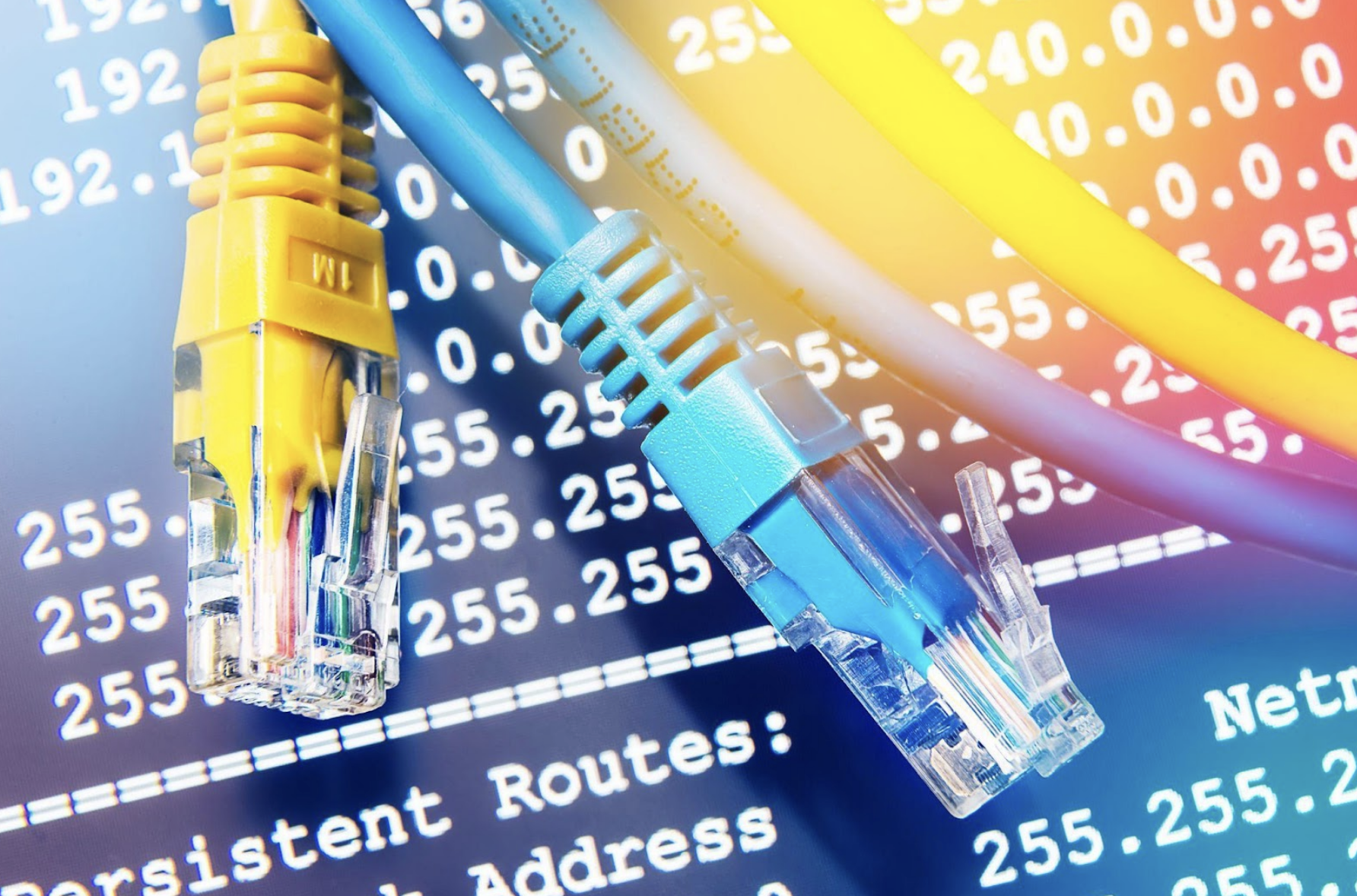
An IP address shows the network you are using at a particular moment. It can indicate your approximate location, your internet provider, and whether you are on home broadband, public Wi-Fi, or mobile data. What it cannot do is identify your exact address or confirm who is using the device. Think of it as a rough marker rather than a personal identifier. In some situations, your IP address may also hint at your device’s general network environment, such as whether you are behind a company firewall or using a public access point, which can add context but still does not reveal personal identity.
Why Blockchains Do Not Store IP Addresses
Despite a common misconception, blockchains only record the details needed to verify transactions: Wallet addresses, timestamps, and amounts. None of this includes network information. Any exposure of your IP occurs before your transaction reaches the chain, during the broadcast to the network. This separation between on-chain and off-chain data is intentional, as blockchain protocols are designed to validate transactions without needing to know who submitted them.
How Wallet Software May Expose Your IP
Most wallet apps require connectivity to servers or nodes to function. When they broadcast a transaction on your behalf, your IP address is visible to the server receiving the request. Providers may store metadata for performance monitoring, fraud detection, or regulatory compliance. Exactly what gets logged depends on the service and the laws where it operates. Some privacy-focused wallets attempt to minimize IP exposure by routing traffic differently or avoiding central servers altogether, but these features vary widely.
How Exchanges Collect IP Addresses
Centralized exchanges treat IP information as part of standard account security. It helps them detect unusual login patterns, comply with regulations, and trace suspicious activity. For many users, this means your IP address becomes part of your broader account history, rather than something tied directly to the blockchain.
In fact, when you sign in to a crypto trading platform to buy or sell assets, your IP address is often one of the first data points used to confirm that the login attempt aligns with your usual activity. This helps platforms flag unusual access patterns and block unauthorized transactions without affecting legitimate use.
How Nodes and Mempools See Transaction Origins
If you send a transaction using your own node or direct network connection, nearby nodes may briefly see the IP address that first broadcast it. This alone cannot identify you, but it can connect your network location to a transaction broadcast. The amount of insight someone can gain depends on their ISP’s data-retention policies, their network setup, and local infrastructure. Some nodes also relay transactions across multiple peers, which can obscure the source but does not eliminate network-level observation.
Can an IP Address Link Back to a Wallet?
Not directly. An IP address does not reveal which wallet belongs to which person. However, if someone has access to logs from exchanges, analytics tools, or other network services, they may combine those pieces to build a broader picture. The connection is indirect and depends more on user behavior than on the blockchain itself.
Common Misconceptions About Crypto Anonymity
Crypto is frequently described as anonymous, but the more accurate term is “pseudonymous.” Wallet addresses do not display names, yet transaction patterns and external data sources can narrow down who might be behind them. IP information is simply one data point that can support broader analysis. Many users assume that because their identity is not visible on-chain, their network activity is similarly hidden, which is rarely the case.
How VPNs, Tor, and Proxies Change IP Exposure
Privacy tools can mask your real IP by routing your traffic through other servers. A VPN replaces your IP with the provider’s. Tor passes your traffic through multiple relays for stronger protection. These tools reduce the risk of exposing your actual IP address, but they are not perfect. Leaks, misconfigurations, or app-level data sharing can still reveal your original address. Some crypto services may even block Tor or specific VPN endpoints for fraud prevention or regulatory reasons.
Is Mobile Data More Private Than Home Internet?
Mobile networks often use shared addressing, which can reduce attribution precision. This does not automatically imply greater privacy; it simply means the carrier retains the relevant connection data rather than your home ISP. Regional logging rules play a significant role in the meaningfulness of this information. In some countries, carriers may retain metadata longer than broadband providers, reducing any privacy advantage.
Understanding the Limits of IP-Based Tracking
An IP address can hint at your network environment, but it cannot, by itself, reveal personal identity or on-chain details. Real exposure depends on the tools you use and how they handle network data. Privacy improves when you understand these layers rather than relying on assumptions about “anonymous” crypto activity. IP data becomes more meaningful only when combined with user habits, service logs, or additional metadata, never from blockchain data alone.
Final Thoughts
Your IP address sits outside the blockchain, but it still plays a role in how your transactions reach the network. By knowing what it reveals and what it doesn’t, you can make more informed decisions about which tools to use and how to manage your digital privacy.
Disclaimer
This article is provided for informational and educational purposes only and does not constitute financial, legal, or cybersecurity advice. While efforts are made to ensure accuracy, information may change over time and should not be relied upon as a sole source for decision-making.
iplocation.net does not endorse, control, or take responsibility for the content, services, or privacy practices of any third-party websites referenced in this article. iplocation.net is not liable for any losses, damages, or issues that may arise from the use of external links or third-party tools.
Readers are encouraged to conduct their own research and consult appropriate professionals before making decisions related to cryptocurrency usage, privacy tools, or online security practices.
Share this post
Leave a comment
All comments are moderated. Spammy and bot submitted comments are deleted. Please submit the comments that are helpful to others, and we'll approve your comments. A comment that includes outbound link will only be approved if the content is relevant to the topic, and has some value to our readers.
Comments (0)
No comment