
The revival of legacy nameplates has become a noticeable trend across global automotive markets. As buyers grow more discerning and emotionally connected to brands, manufacturers are increasingly looking to their own histories for inspiration. The return of vehicles such as the Tata Sierra illustrates this shift, signalling more than just the reintroduction of a familiar name; it reflects how the SUV segment itself is evolving.
Rather than positioning these models purely as nostalgia-driven products, such comebacks point to broader changes in design priorities, buyer expectations, and how SUVs are now perceived by modern consumers.
From Utility to Identity: How SUVs Have Changed
When early-generation SUVs were first introduced, they were largely utilitarian vehicles, valued for durability, versatility, and road presence. Over time, the segment has expanded far beyond those boundaries. SUVs now function as lifestyle statements, family vehicles, and technology platforms, often fulfilling multiple roles simultaneously.
Modern reinterpretations of legacy SUVs reflect this transformation. Vehicles like the Tata Sierra demonstrate how manufacturers are placing equal emphasis on visual identity, in-cabin experience, and everyday usability, rather than focusing solely on rugged capability. This mirrors a broader market shift where buyers no longer choose SUVs only for function, but for how well they align with personal identity and daily routines.
Design as a Primary Differentiator
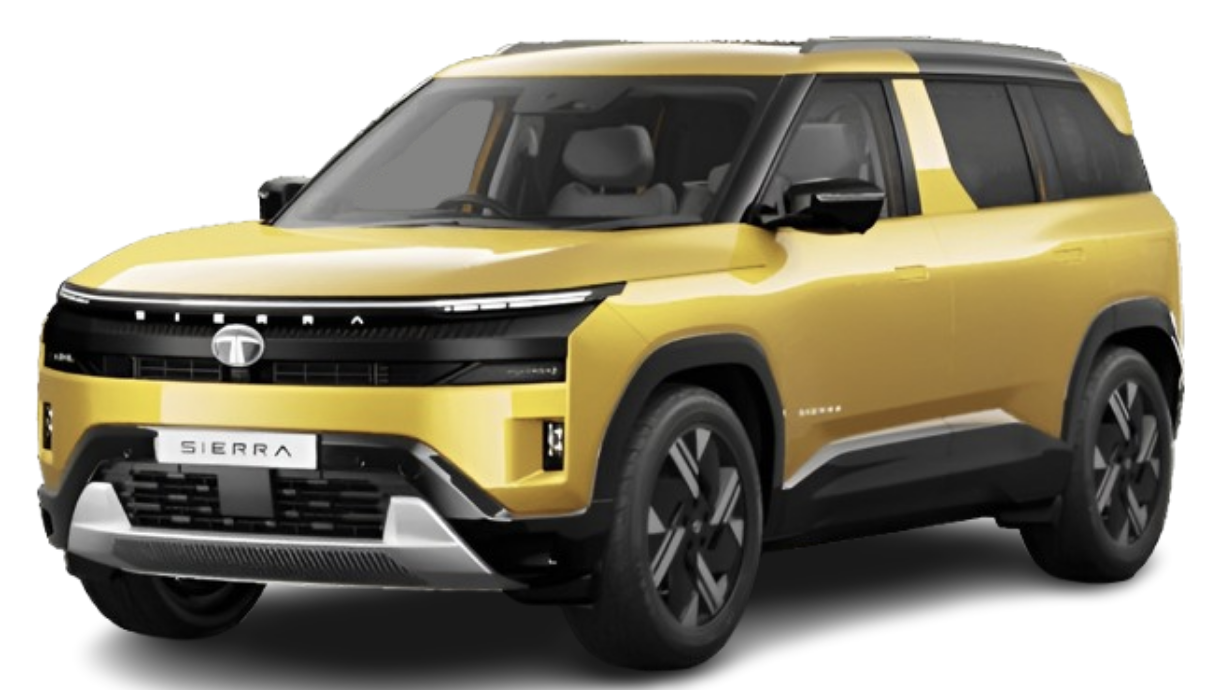
One of the clearest signals from the resurgence of heritage models is the growing importance of design in the SUV segment. Bold proportions, distinctive lighting elements, and clean, contemporary surfaces increasingly define how new SUVs are positioned.
The recognition some of these vehicles have received from international design platforms highlights how manufacturers are competing not only on performance or pricing, but also on aesthetics and originality. This reflects a change in buyer mindset, where design quality is treated as a core consideration rather than a secondary benefit.
A Shift Toward Experience-Led Interiors
Another strong signal from the evolution of the SUV segment is the emphasis on interior experience. Modern buyers increasingly view the cabin as an extension of personal space rather than a purely functional environment.
Features such as panoramic sunroofs, expansive digital displays, ambient lighting, premium audio systems, and configurable comfort settings are designed to create a more relaxed, lounge-like atmosphere. This points to a broader trend where interior ambience, comfort, and in-car entertainment carry as much weight in purchasing decisions as size or powertrain specifications.
Technology as a Baseline Expectation
The feature sets seen in contemporary SUVs also reflect how technology has shifted from being a differentiator to a baseline expectation. Digital interfaces, connected-vehicle functionality, and driver-assistance systems are now widely expected rather than perceived as premium add-ons.
As buyers increasingly research models and segment trends through online automotive platforms that combine reviews, comparisons, and purchasing tools, vehicles are being evaluated on how seamlessly technology integrates into everyday use, not just on headline specifications. This reinforces the idea that future SUVs will be judged as much on their digital ecosystems as on traditional mechanical attributes.
Safety and Confidence as Core Requirements
The renewed focus on safety further underscores how expectations have evolved. Advanced braking systems, multiple airbags, stability control technologies, and driver-assistance features are increasingly viewed as essential, particularly for family-oriented SUVs.
Modern SUV positioning emphasizes confidence and predictability across varied driving conditions, rather than relying solely on physical size or perceived toughness. Buyers now expect vehicles to actively support safer driving experiences.
What the Return of Legacy SUVs Represents
The comeback of heritage-inspired SUVs signals several broader market trends:
- Growing acceptance of heritage-led branding
- Increased demand for distinctive, design-driven SUVs
- A move away from purely size-based comparisons toward experience-led evaluation
- Stronger emphasis on technology, safety, and interior quality
These shifts are likely to influence how manufacturers approach future SUV launches and legacy revivals across markets.
Implications for Buyers
For buyers, these developments suggest that SUV choices are becoming more nuanced. Instead of focusing exclusively on engine output or dimensions, consumers increasingly consider:
- How the vehicle fits into daily life
- Whether the interior experience justifies the investment
- How technology supports real-world driving needs
- Whether the design aligns with personal preferences
This reflects a more mature market where emotional connection and usability are weighed alongside specifications.
Conclusion
The return of legacy SUVs serves as more than a brand revival. It highlights how the SUV segment is being redefined around design, technology, comfort, and identity rather than size or ruggedness alone.
As buyer expectations continue to evolve, the success of such vehicles will depend not on nostalgia itself, but on how effectively heritage is adapted to modern lifestyles. In this way, the resurgence of classic nameplates offers a clear indicator of where the SUV market is heading in the years ahead.
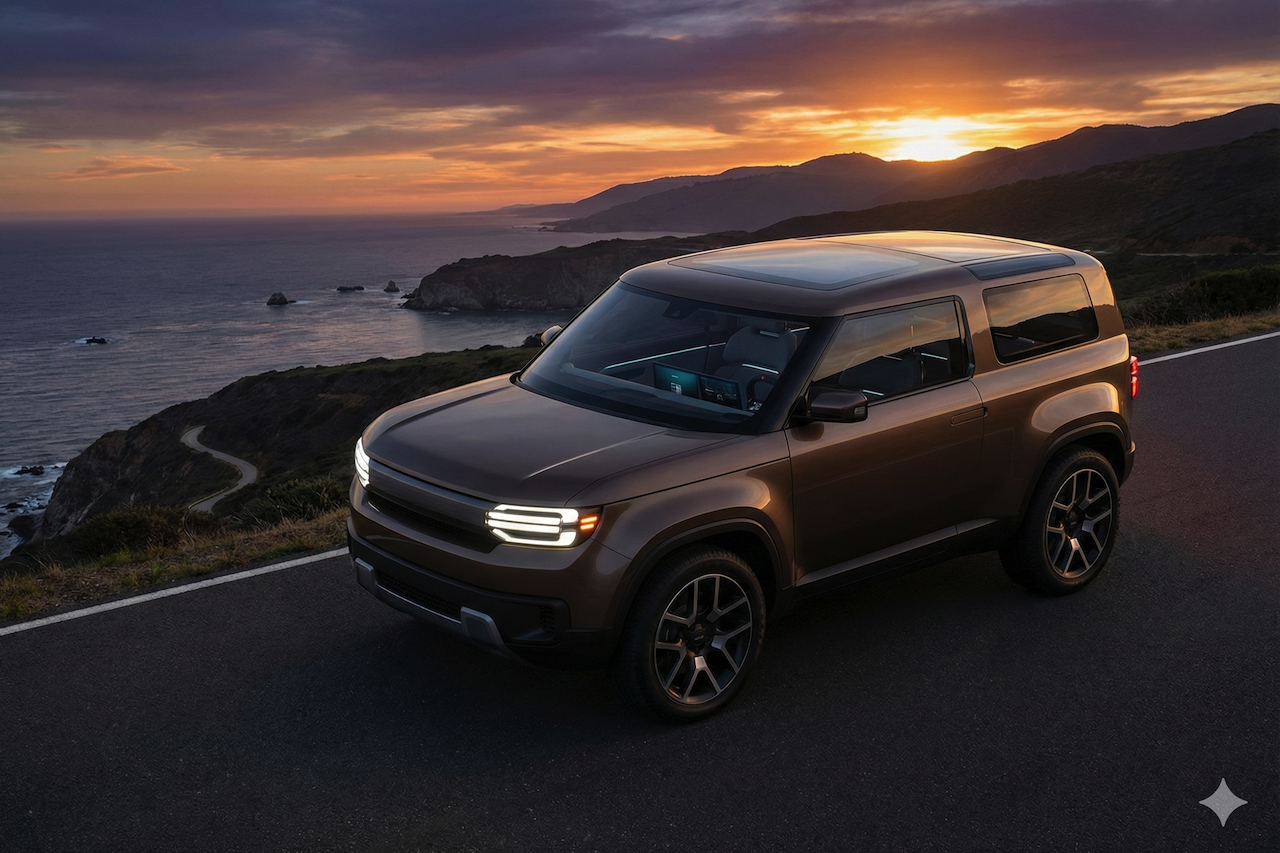
Featured Image generated by Google Gemini.
Share this post
Leave a comment
All comments are moderated. Spammy and bot submitted comments are deleted. Please submit the comments that are helpful to others, and we'll approve your comments. A comment that includes outbound link will only be approved if the content is relevant to the topic, and has some value to our readers.
Comments (0)
No comment