
Something feels off… but you can’t quite prove it. Your manager crosses a line, your landlord pushes boundaries, or a public authority brushes you aside. You’re left wondering, is this even allowed? That’s exactly where having a clear human rights act overview becomes essential, because most people sense unfairness long before they understand their legal position.
The truth is, many everyday situations sit closer to your legal rights than you think. Yet, without simple guidance, it’s easy to second-guess yourself or stay silent. This guide cuts through that confusion. It explains, in plain terms, what rights you actually have and how they apply to your real life, whether at work, at home, or when dealing with authorities. If something doesn’t feel right, there’s often a legal reason behind it and a way forward.
What Does the Human Rights Act Really Mean for You?
It’s not just a legal document. It’s a working safeguard that applies to your everyday life. The Human Rights Act 1998 brings key rights from European law into UK courts, so you can rely on them without going abroad. This human rights act overview helps you understand what protection looks like in real terms.
Who It Applies To (And Why That Matters)
- Public bodies like councils, police, and the National Health Service must follow it.
- Private issues still link back when authorities are involved.
Where It Shows Up in Daily Life
- Work: unfair dismissal concerns.
- Housing: eviction or unsafe conditions.
- Privacy: misuse of personal data.
For example, if a council ignores unsafe housing complaints, a solicitor would assess your rights, gather evidence, and challenge the authority directly.
Next, let’s break down the rights themselves in plain terms.
Rights Protected Under the Human Right Act

These rights are not abstract. This human rights act overview shows how they work in real situations and when you should take action.
1. The Right to Life
- Authorities must protect life and act on known risks.
- Example: failure to respond to serious threats or unsafe care.
- A right solicitor can review evidence and raise claims or public inquiries where needed.
2. Freedom from Inhumane Treatment
- Protects against abuse, neglect, or degrading conditions.
- Example: poor treatment in detention or care settings.
- Legal support can challenge conditions and secure accountability.
3. Protection from Forced Labour
- Covers exploitation, trafficking, and unfair working conditions.
- Example: workers forced into unsafe or unpaid labour.
- Report concerns and seek legal advice quickly to protect your position.
- An employment law solicitor can assess your situation, gather proof of exploitation, and take action against the employer. They can also help recover unpaid wages and protect you from further harm.
4. Your Right to Liberty
- You cannot be detained without a lawful reason.
- Example: being held without proper legal grounds.
- A solicitor can act fast to challenge unlawful detention.
5. The Right to a Fair Trial
- You must have access to a fair hearing and legal support.
- Example: biased decisions or lack of representation.
- Early legal advice strengthens your case.
6. No Punishment Without Law
- You cannot be penalised for doing something that wasn't against the law at the time.
- Example: rules applied after the event.
- Legal review helps stop unfair penalties.
7. Your Right to Privacy and Family Life
- Covers your home, data, and personal relationships.
- Example: misuse of medical records by the National Health Service or council intrusion.
- A solicitor for family law can challenge breaches and seek remedies.
8. The Right to Marry
- You have the right to marry and start a family under the law.
- Issues arise where authorities place unlawful restrictions.
- Legal advice ensures fair treatment.
9. Freedom of Thought and Belief
- You can hold and practise your beliefs.
- Example: workplace restrictions without a valid reason.
- Raise concerns early and seek legal clarity.
10. Freedom of Expression
- You can speak and share views within legal limits.
- Example: unfair disciplinary action for expressing opinions.
- Legal support helps balance rights and restrictions.
11. Freedom of Assembly
- You can join peaceful protests and groups.
- Example: unjust limits on gatherings.
- A right legal firm like Fosters Legal Solicitors can assess whether restrictions are lawful.
12. Protection from Discrimination
- You must not face unfair treatment based on personal traits.
- Example: bias in hiring or housing decisions.
- Legal action can address and correct this.
13. Protection of Property
- Your belongings and home must be respected.
- Example: unlawful seizure or damage.
- Legal steps can recover losses.
14. The Right to Education
- Everyone should have access to education without unfair barriers.
- Example: denial of school placement without reason.
- Legal support can resolve disputes.
15. The Right to Free Elections
- You have the right to vote in fair elections.
- Any restriction must be lawful and justified.
16. Abolition of the Death Penalty
- The UK fully prohibits capital punishment.
- This remains a fixed protection under law.
Each right in this human rights act overview links back to real decisions and actions. Next, let’s look at how you can actually use these rights when a situation crosses the line.
Who Can Use These Rights?
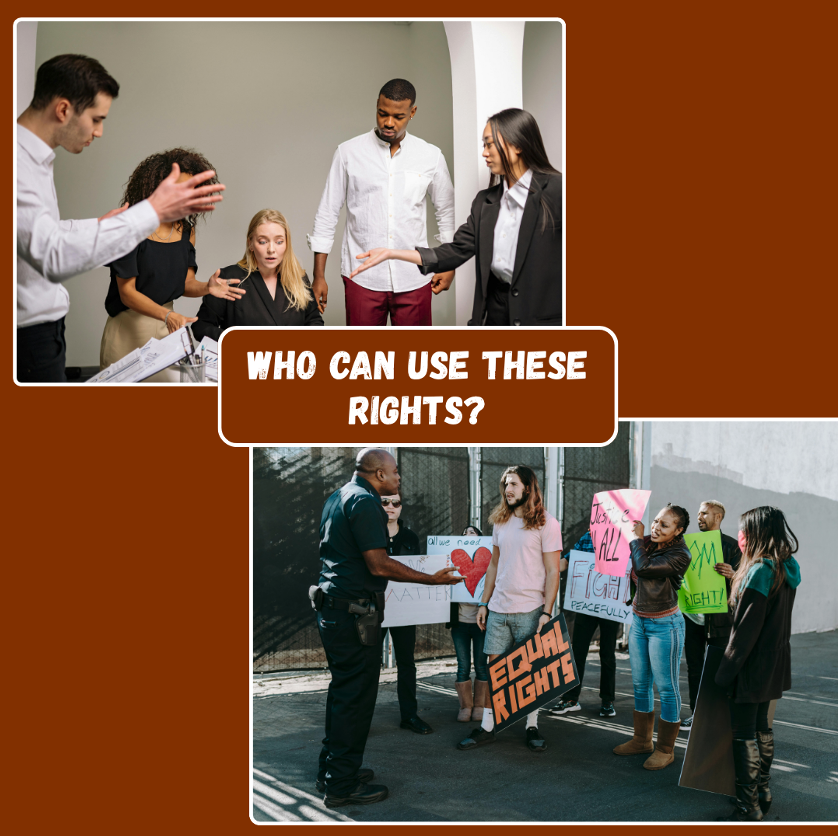
This human rights act overview applies to a wide range of people in everyday situations, not just legal experts.
- Anyone dealing with public bodies such as local councils, police, schools, or the National Health Service.
- Employees and workers facing unfair treatment by public sector employers.
- Tenants and residents dealing with housing authorities or social landlords.
- Students and families interacting with public education or care services.
- Individuals affected by decisions made by government departments.
In simple terms, if a public authority is involved in your situation, you can rely on these rights.
Conclusion
By now, you’ve seen how each right connects directly to everyday situations, from work and housing to dealing with public authorities. This human rights act overview is not just legal information; it’s a practical guide to understanding where you stand and what you can do when something feels off.
More importantly, knowing your rights helps you act with clarity instead of doubt. And when a situation goes beyond your control, the right legal support can step in, assess your case properly, and guide you towards a clear outcome without confusion.
If something doesn’t feel right, don’t leave it unanswered. Speak to a legal expert, understand your position, and take the next step with confidence. Because your rights are there to protect you, but only if you use them.
Share this post
Author

Read the latest articles from Elwin Terry
Why Trampolines Are The Hottest Fitness Equipment Of 2025

May 7, 2025
Forget those dull gym sessions that feel like a task. Let's be honest, treadmills aren't exactly thrilling. But what if we told you that the hottest fitness trend of the season isn’t found in some sleek studio or high-end gym? It is directly hitting your garden.
Learn moreLeave a comment
All comments are moderated. Spammy and bot submitted comments are deleted. Please submit the comments that are helpful to others, and we'll approve your comments. A comment that includes outbound link will only be approved if the content is relevant to the topic, and has some value to our readers.
Comments (0)
No comment