
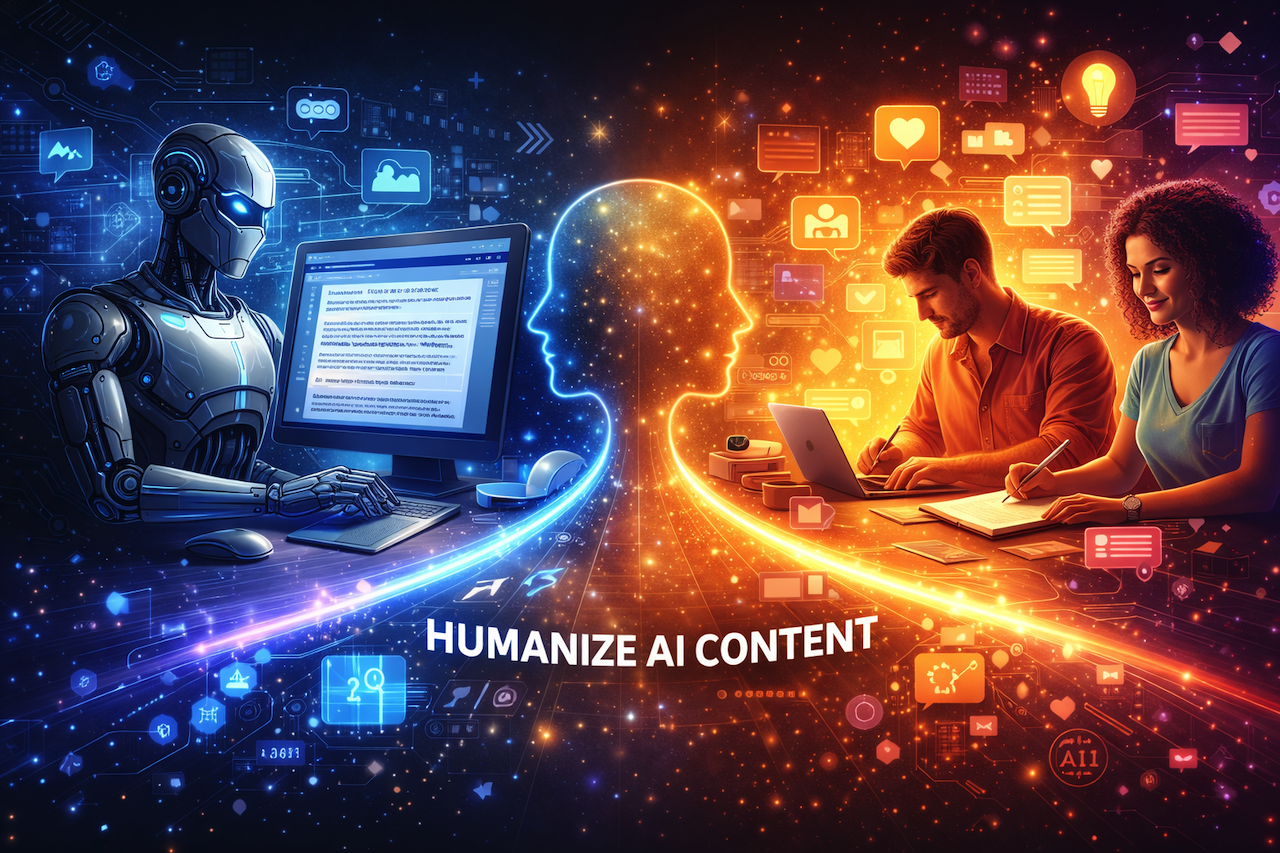
Let’s be honest: the internet is starting to feel a bit… robotic. If you’ve spent more than five minutes browsing tech blogs lately, you’ve probably noticed that “samey” feeling—perfectly structured but lacking personality. We’re living in an era often described as “Stochastic Parrots,” where content can be generated quickly but not always meaningfully. This is why tools like Humbot and similar refinement platforms have emerged, aiming to make AI-generated text feel more natural and readable. As a result, maintaining a genuine connection with readers has become more challenging. It’s no longer enough to simply generate text—avoiding the “uncanny valley” of AI output requires adding a more human touch to the writing.
The Problem: When Efficiency Kills Authenticity
We all use LLMs. They are great for brainstorming, but they are terrible at being us. They lack the "messiness" of human thought, the weird sentence lengths, the occasional slang, and the non-linear logic that makes a person trust what they’re reading.
If you’re running a site and just "shipping" raw AI text, you’re essentially flagging yourself. An AI checker doesn't just look for keywords; it looks for a lack of "burstiness." To survive in 2026, you have to humanize ai output until it actually has a pulse.
Refining AI Content: A More Human-Centered Approach
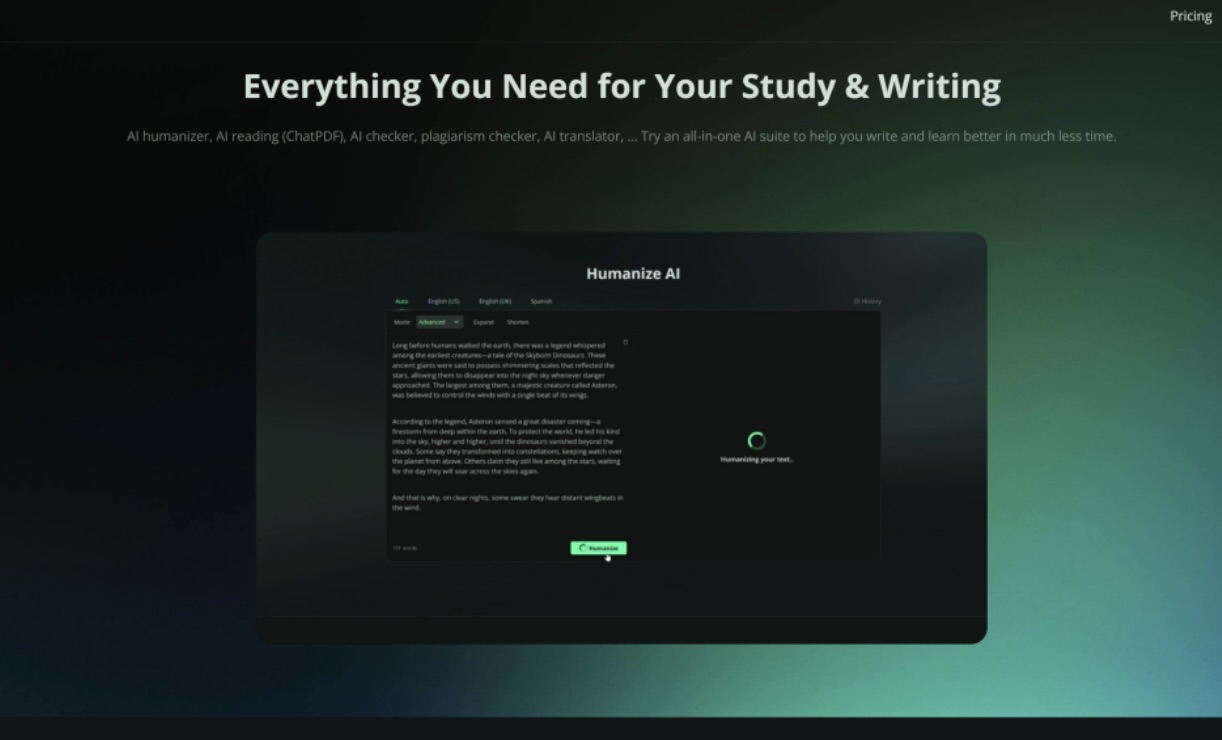
One emerging approach is to treat AI output as a first draft rather than a finished product. Instead of simple rewriting or synonym replacement, the goal is to reshape structure, tone, and flow in a way that introduces more natural variation and effectively humanize AI generated content.
This process focuses on a few key principles:
- Reducing Pattern Uniformity: Breaking predictable sentence structures and introducing variation in rhythm and tone.
- Preserving Meaning: Ensuring that technical accuracy and key points remain intact while improving readability.
- Improving Engagement: Making the content feel less mechanical and more aligned with how people naturally write and speak.
When done well, this kind of refinement allows content to scale efficiently without losing its human quality.
A Practical Workflow for Improving AI-Generated Content
Step 1: Start with a Draft
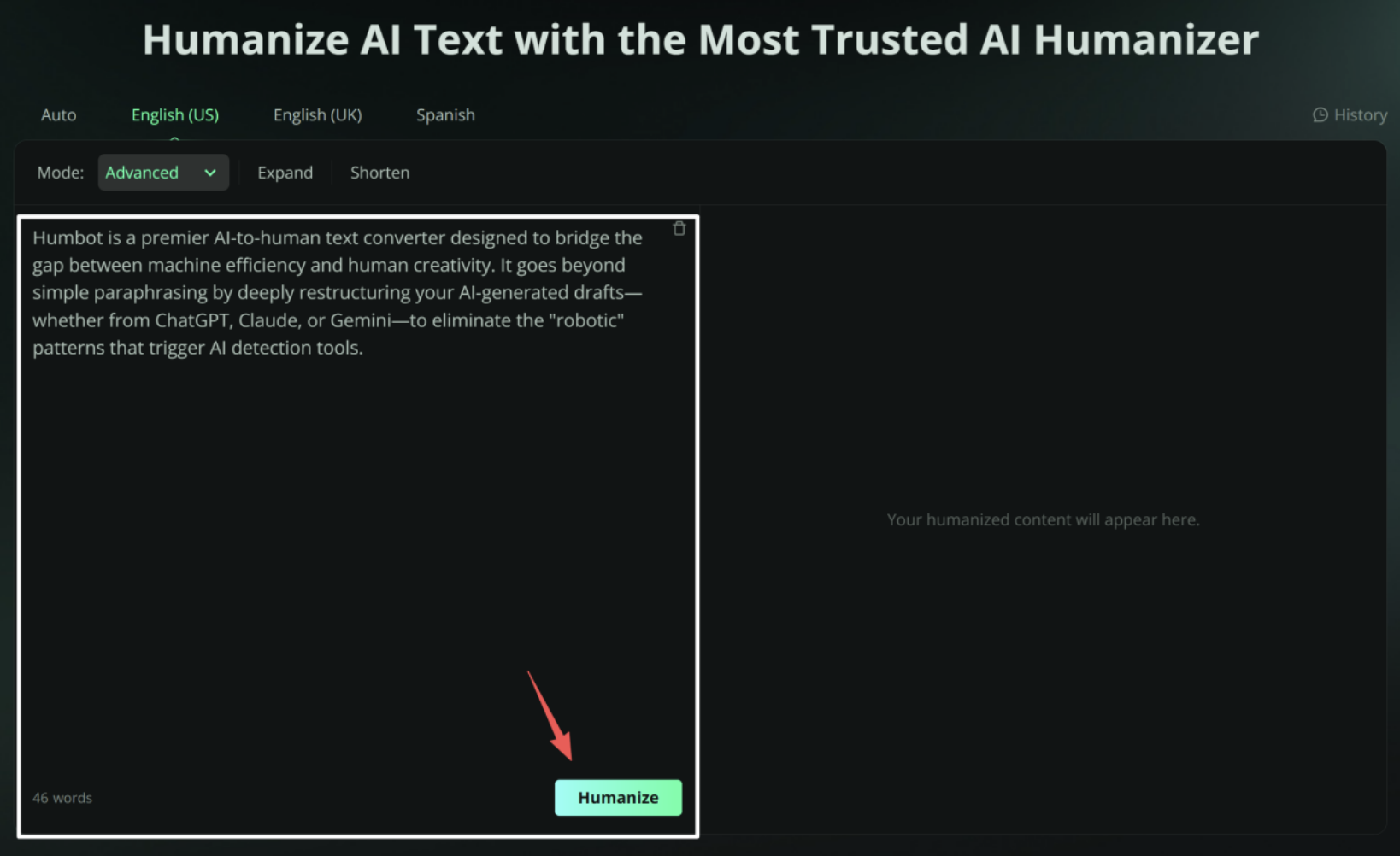
Begin with an AI-generated draft from tools like ChatGPT, Claude, or Gemini. Treat this as a structured starting point rather than a final version.
Step 2: Adjust Tone and Structure
Review the text for consistency and predictability. Introduce variation in sentence length, tone, and phrasing to create a more natural flow.
Step 3: Evaluate Readability and Authenticity
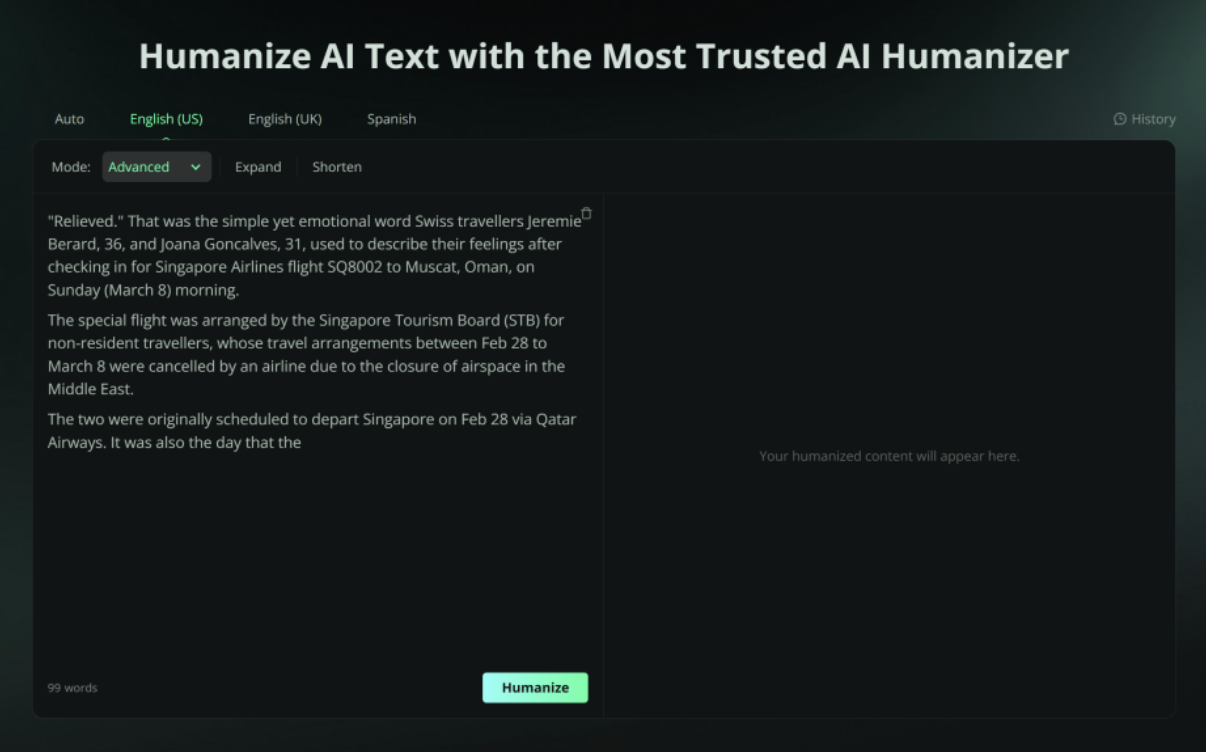
Check whether the content feels engaging and relatable. Look for areas where the language may feel overly formal, repetitive, or mechanical.
Step 4: Final Review
Polish the content to ensure clarity, accuracy, and coherence. The goal is to maintain your voice while reducing the rigid patterns often associated with AI-generated text.
Final Thoughts
The future of the web is not about producing more content; it’s about producing better content. As AI tools become more widespread, the real differentiator is no longer access to generation, but the ability to create something that feels genuinely human.
In a landscape filled with efficient but uniform output, content that reflects nuance, personality, and authenticity will stand out.
Featured Image generated by ChatGPT.
Share this post
Leave a comment
All comments are moderated. Spammy and bot submitted comments are deleted. Please submit the comments that are helpful to others, and we'll approve your comments. A comment that includes outbound link will only be approved if the content is relevant to the topic, and has some value to our readers.
Comments (0)
No comment