
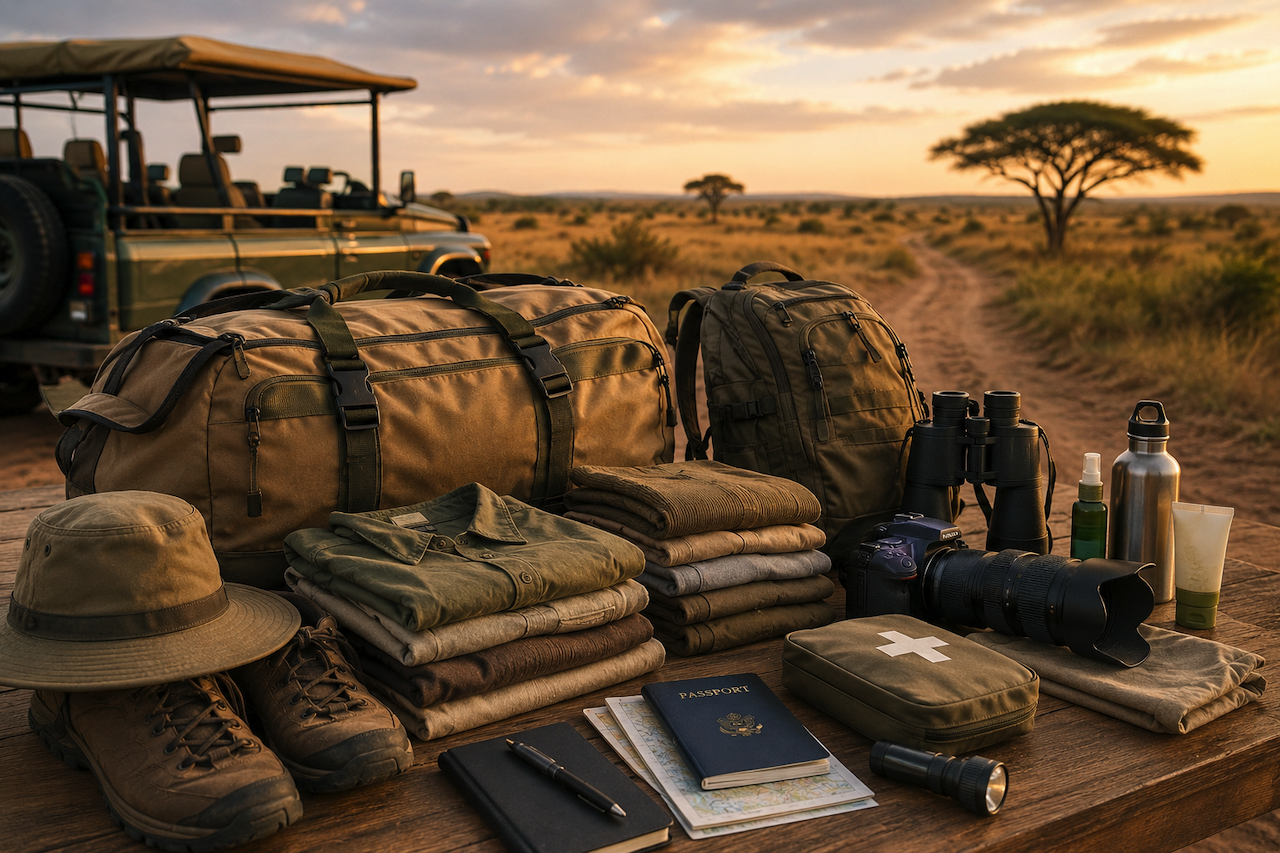
Let's be honest, packing for a safari is genuinely stressful. You're staring at your suitcase two days before departure, wondering if you've forgotten something critical. You're not alone in that panic. Research shows that travelers who pack efficiently report 73% higher satisfaction rates during their trips. Whether this is your debut game drive or you've done it before, what you bring and what you ruthlessly cut shapes everything. This guide walks through every essential by season, terrain, and traveler type, so you hit the ground running.
Safari Packing List: Essentials for an Unforgettable Journey
Your safari packing list really begins weeks before your flight. Nail the foundational layers, documents, health prep, luggage choices, and you'll sidestep most of the scrambling that derails other travelers.
Travel Documents and Health Prep
Travel requirements vary by destination, so verify passport validity, visa requirements, recommended vaccinations, and entry regulations well before departure. Travel insurance that includes emergency medical and evacuation coverage is strongly recommended for safari travel.
Working with a trusted safari operator can help ensure that vaccination records, emergency contacts, travel documents, and itinerary details are organized before departure.
Download offline maps, a medical reference app, and your insurer's emergency contact information. Store digital and physical copies of important documents in separate locations so they remain accessible if one set is lost or unavailable.
Luggage and Bags That Work Best
Nearly every safari guide will say the same thing: skip the hard suitcase. Light aircraft transfers between camps enforce strict weight limits, typically 33 to 44 lbs (15–20 kg) total, and your bag must physically fit into tight hull compartments.
A medium waterproof duffel paired with a compact daypack handles most itineraries cleanly. Camera backpacks with padded compartments help protect equipment from dust, dirt, and the rigors of travel.
Documents handled. Bags sorted. Now let's talk about what actually goes inside.
Clothing Guide: The Best Safari Clothes by Season
Safari conditions can vary significantly throughout the year, and knowing what to wear for different weather conditions can make a major difference in your comfort. Temperatures often fluctuate between cool mornings and warm afternoons, making versatility an important part of any packing strategy.
Packing for the Dry Season
Layering is the strategy here. Early mornings can be surprisingly cool, while afternoons may become quite warm. A lightweight base layer, a fleece mid-layer, and the ability to peel back clothing as temperatures rise create a flexible system that works throughout the day.
Stick to neutral tones: khaki, olive, tan, soft brown. Bright colors disturb wildlife and attract tsetse flies, two outcomes you'd rather avoid. Ripstop nylon and merino wool breathe well in the sun. Add a wide-brim hat and UV-blocking sunglasses for solid sun coverage.
Packing for the Wet Season
Packing for the wet season means fully committing to waterproof and quick-dry gear. Rain jackets, moisture-wicking shirts, and waterproof hiking boots aren't suggestions; they're requirements.
Three pairs of quick-dry socks minimum. If your itinerary includes walking safaris through muddy terrain, consider gaiters. Wet seasons often bring lush landscapes and excellent wildlife viewing opportunities, but the downpours can be sudden and unforgiving. Standard cotton gear can become soaked within minutes.
Essential Accessories for All Seasons
The small stuff matters more than people expect. Insect repellent with 30% DEET or higher is non-negotiable. Neck buffs, sun sleeves, and lightweight gaiters shield exposed skin without adding any meaningful weight to your pack.
A compact travel laundry kit, a small wash bag, and a portable line are genuinely underrated. Not every camp offers daily laundry service. These items cost almost nothing and solve a real problem.
Safari Packing Guide: Tech and Gear You Can't Leave Behind
No safari packing guide is complete without addressing technology and gear. What you bring here shapes how you'll experience and remember the wildlife you encounter.
Cameras, Binoculars, and Wildlife-Watching Tools
Packing cubes alone can save travelers up to 30% of luggage space, which means more room for camera equipment. A DSLR or mirrorless camera with a 100–400mm zoom lens handles most game drive photography comfortably.
Binoculars in the 8×42 or 10×42 range deliver excellent clarity across open landscapes. A portable solar charger and multi-port power bank help keep devices charged, especially in remote lodges where charging opportunities may be limited.
Eco-Friendly and Sustainable Safari Essentials
Many safari destinations have restrictions on single-use plastics and encourage environmentally responsible travel practices. Pack reusable water bottles, biodegradable toiletries, and solid shampoo bars whenever possible.
Reef-safe sunscreen and bamboo toothbrushes are minor swaps with genuine impact. Leave-no-trace packing isn't just an ethical position; it's increasingly becoming the standard expectation for responsible travel.
Packing for Comfort: Health, Personal Care, and Safety
Being thorough with your safari essentials means going beyond clothing and camera gear. Health and safety items matter most when pharmacies or medical services may be hours away.
Medical Kit and Wellness Supplies
Depending on your destination, preventive medications and vaccinations may be recommended before departure. Your first-aid kit should include blister pads, rehydration salts, antihistamines, and any personal prescription medications.
High-SPF sunscreen, after-sun gel, and quality lip balm prevent the kind of persistent discomfort that steals your focus from the experience itself. Strong sun exposure can occur even on overcast days, making sun protection an important part of any safari packing list.
Staying Safe and Comfortable
If your itinerary includes high-altitude regions, pack for cooler temperatures and changing weather conditions. Temperatures can drop sharply after sunset, and travelers concerned about altitude-related issues should consult a healthcare professional before departure.
Compact travel pillows, foam earplugs, and a lightweight sleep mask help you sleep properly in unfamiliar camp environments. Every early morning game drive feels infinitely better when you're actually rested.
Game-Changing Safari Packing Mistakes to Avoid
Even experienced travelers make this mistake: overpacking clothes and underpacking practical essentials. Safari guides see it constantly—too many outfit variations and not enough health, safety, or convenience items. Headlamps, power adapters, and spare memory cards are routinely forgotten.
Another common misstep is ignoring luggage restrictions until arrival at the airport. Many safari itineraries, particularly those involving small aircraft transfers, have strict baggage limits. Check your operator's requirements early to avoid surprises and ensure your luggage complies with weight and size restrictions.
Pre-Departure Checklist: Be Ready for Every Adventure
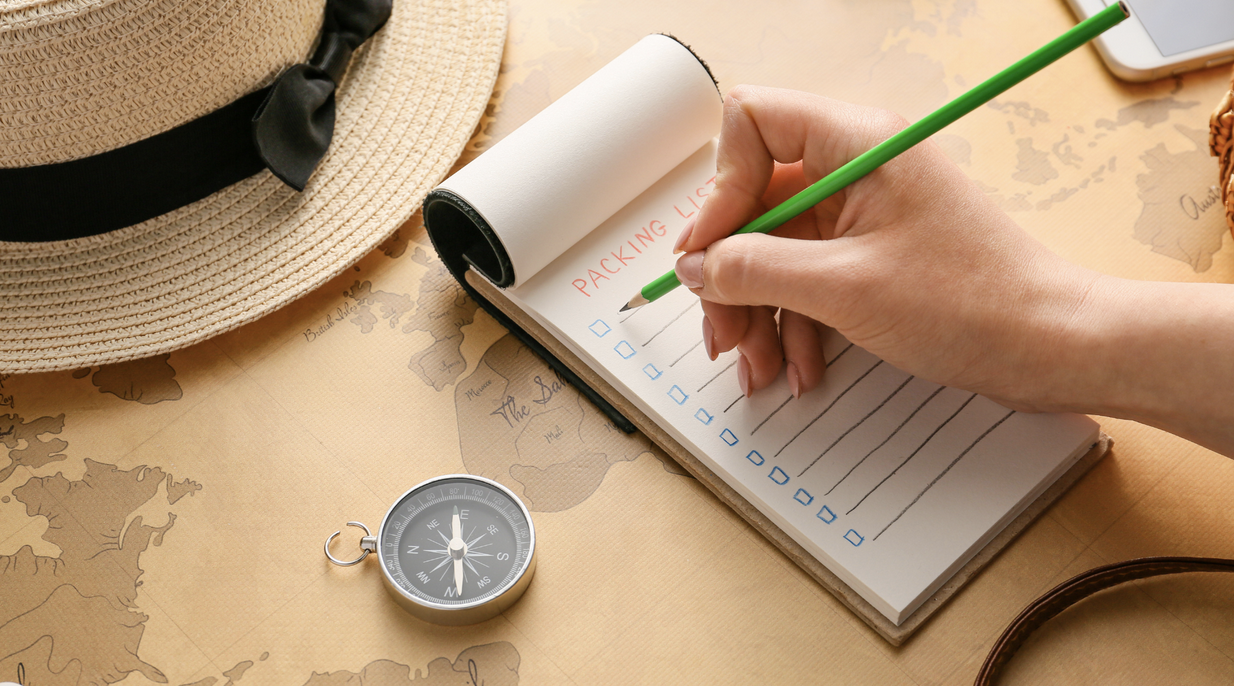
Run through this checklist before you zip up your bag and head out:
- Documents: Passport, visa (if required), vaccination records, travel insurance, and emergency contacts
- Health: Personal medications, first-aid kit, sunscreen, and insect repellent
- Clothing: Layers, rain gear, neutral-colored clothing, and sturdy footwear
- Tech: Camera, binoculars, power bank, charging cables, and adapters
- Eco Essentials: Reusable water bottle and biodegradable toiletries
Check the weather forecast shortly before departure and adjust your packing list if conditions have changed. A printable checklist can also help keep travel companions organized and ensure that nothing important gets left behind.
Ready for Adventure? Packing Tips That Guarantee a Seamless Safari
Smart packing turns a good trip into a truly exceptional one. Start with the essentials, layer intelligently for the season, and don't let gear anxiety overshadow the excitement of the journey. Every item should earn its place in your bag. When in doubt, leave it out. Always consult your safari operator directly, as specific destinations, camps, and activities may have unique requirements. The best packing strategies often come from experience, and thoughtful preparation can make every stage of the adventure more enjoyable.
 FAQs
FAQs
Neutral, muted tones, khaki, olive, and tan are strongly recommended. Avoid bright colors and camouflage. Modest dress is also respectful when visiting local communities near safari areas.
Many destinations restrict or prohibit items such as illegal drugs, explosives, detonators, pornographic materials, counterfeit currency, and counterfeit goods. Travelers should always review the latest customs and import regulations for their destination before departure.
Tip amounts vary by destination, safari operator, and local customs. Many travelers tip guides and support staff daily, but it's best to confirm current recommendations with your safari provider before departure.
Featured Image generated by ChatGPT.
Share this post
Leave a comment
All comments are moderated. Spammy and bot submitted comments are deleted. Please submit the comments that are helpful to others, and we'll approve your comments. A comment that includes outbound link will only be approved if the content is relevant to the topic, and has some value to our readers.
Comments (0)
No comment