
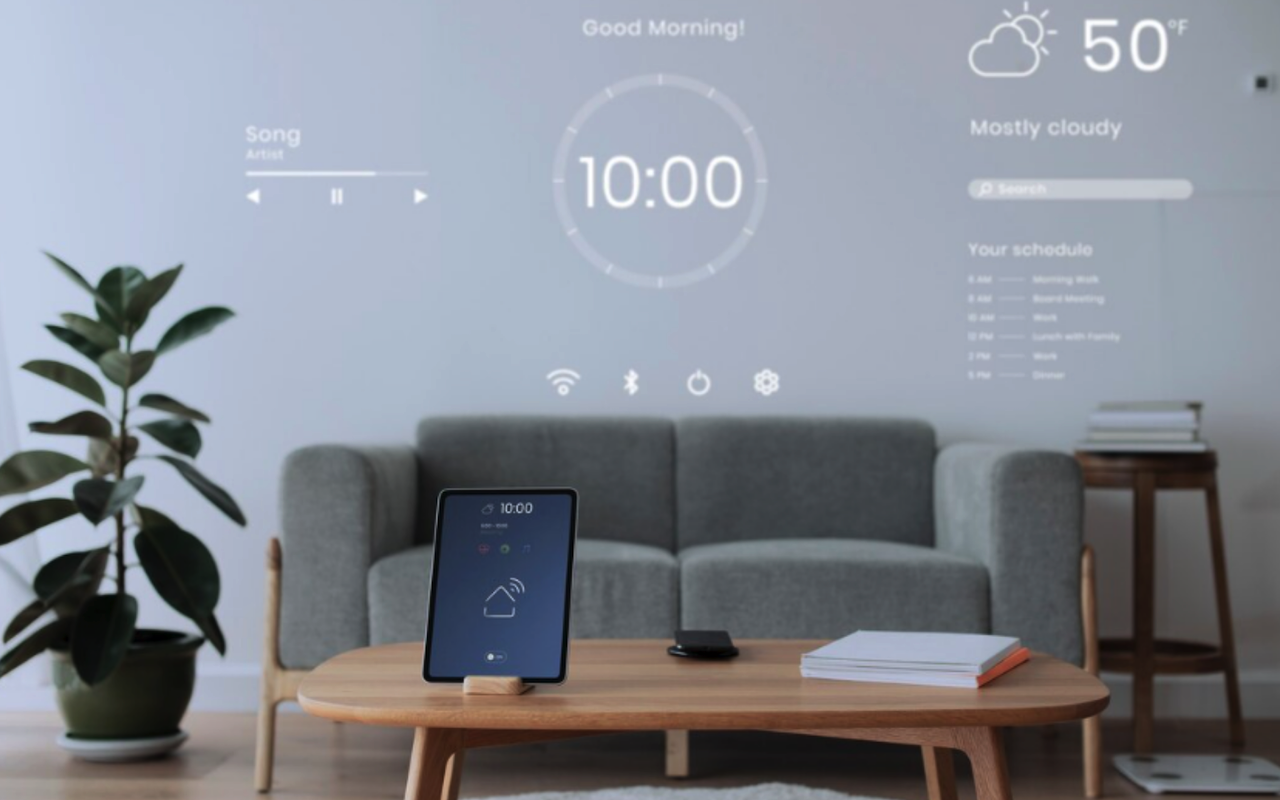
Every day of life runs on technology. Phones charge overnight. Laptops stay open all day. Streaming devices play in the background, even when nobody is watching. Add in smart thermostats, gaming consoles, and security systems, and it is no surprise that electricity bills keep climbing.
The issue is not that households use too much technology. It is that most people never think about the power plans behind it. With rates rising and devices multiplying, the way electricity is managed has become just as important as the devices themselves.
Why Tech-Driven Homes Pay More
Modern homes are filled with electronics that sip energy all the time. Even when "off," many devices draw standby power. That wasted energy can account for 5–10% of household consumption, costing around $100 per year.
Think about a console left in rest mode, or a Wi-Fi router running around the clock. Add in voice assistants that never really “sleep,” and the waste becomes clear.
The extra usage is only part of the problem. Many households are also stuck on outdated energy plans that do not match their lifestyle. Looking into flexible providers such as Ranchero Power gives residents more control, with plans designed to fit tech-heavy living rather than penalize it.
Predictability Over Rock-Bottom Prices
Everyone loves the idea of a bargain. But with electricity, the lowest advertised rate often comes with hidden risks. Variable-rate plans may look great in mild seasons. Then the first heatwave hits, demand spikes, and the bill doubles.
Predictability is worth more than chasing pennies. Fixed-rate contracts bring stability. Clearly stated conditions help avert ugly surprises. When your family is already trying to cope with the internet payments, subscription expenses, and gadget updates, getting the assurance that the electric bill is not heading rocket high the next month makes all the difference.
Daily Routines for Saving Without Sacrificing Comfort
Cutting costs does not mean cutting comfort. Most of the savings come from adjustments that barely change daily life:
- Use smart plugs to automatically turn off idle devices.
- Switch to LED lighting that is cheaper and longer lasting.
- Set PCs and consoles to enter sleep mode rather than standby.
- Run appliances during off-peak hours, if supported by your energy plan.
- Unplug chargers once devices are fully charged, since they continue to draw power when left plugged in.
On their own, these are minor steps. Together, they trim away hundreds of kilowatt hours each year.
Tech That Pays You Back
Ironically, some of the same technology that drives energy bills higher can also lower them.
- Smart thermostats adjust heating and cooling automatically.
- Advanced power strips shut down clusters of electronics when not in use.
- High-efficiency appliances consume less power without losing performance.
These upgrades might cost more upfront, but many pay for themselves over time. Energy Star reports that households can save up to 30% on energy bills through certified improvements.
The Hidden Cost of Staying Put
Loyalty is not always rewarded in utilities. Many households keep the same provider for years without reviewing their options. In most cases, this means overpaying compared to what newer customers are offered.
It is the same mistake as sticking with an outdated phone plan. Service continues, but the value disappears. Comparing energy plans regularly ensures households are not locked into contracts that no longer make sense.

Image by Freepik.
Comfort Should Never Be a Gamble
Energy is not only about numbers on a bill. It defines how people feel day to day. Nobody wants to hesitate before turning on the A/C in July. Nobody wants to limit heating during a cold January.
Smarter plans remove that stress. They give peace of mind that bills will stay within reason, no matter the season. Comfort becomes a guarantee, not a gamble.
Practical Steps for Tech-Heavy Households
To keep costs down while keeping devices running smoothly, consider these simple strategies:
- Group chargers on a single strip that can be switched off with one tap.
- Use “eco” settings on appliances like dishwashers and washing machines.
- Review usage reports from smart meters or utility apps.
- Rotate between devices to avoid leaving multiple screens and consoles running.
These are not sacrifices. They are smarter defaults that prevent waste without changing how the home feels.
Energy and Real Estate
Utility bills also have an impact beyond monthly budgets. Buyers and renters are increasingly asking about average costs and system efficiency. A property that pairs modern design with predictable energy expenses is often more attractive than one with fancy finishes but high bills.
Showing that a home runs efficiently on a stable plan can be a subtle selling point in competitive markets. It signals both comfort and foresight.
The Future of Energy Meets Tech
The connection between technology and energy is only growing. Smart grids and AI-driven systems are being designed to balance demand in real time. Appliances will soon run tasks automatically when costs are lowest. Bills will become easier to predict, with usage adapting behind the scenes.
For tech-heavy households, the goal is not just convenience but long-term efficiency. The systems being developed now will allow people to run more devices without worrying about waste or financial strain.
Final Word
Technology has become the backbone of modern living. It powers work, entertainment, and security. But it should not drain household budgets.
By reviewing plans, upgrading habits, and investing in smarter devices, households can keep bills manageable without cutting comfort. Providers give consumers access to flexible options that fit the way they actually use energy.
The takeaway is simple: utility costs are not fixed. With a few smarter choices, tech users can keep every device running while still keeping more money in their pockets.
Featured Image by Freepik.
Share this post
Leave a comment
All comments are moderated. Spammy and bot submitted comments are deleted. Please submit the comments that are helpful to others, and we'll approve your comments. A comment that includes outbound link will only be approved if the content is relevant to the topic, and has some value to our readers.
Comments (0)
No comment