
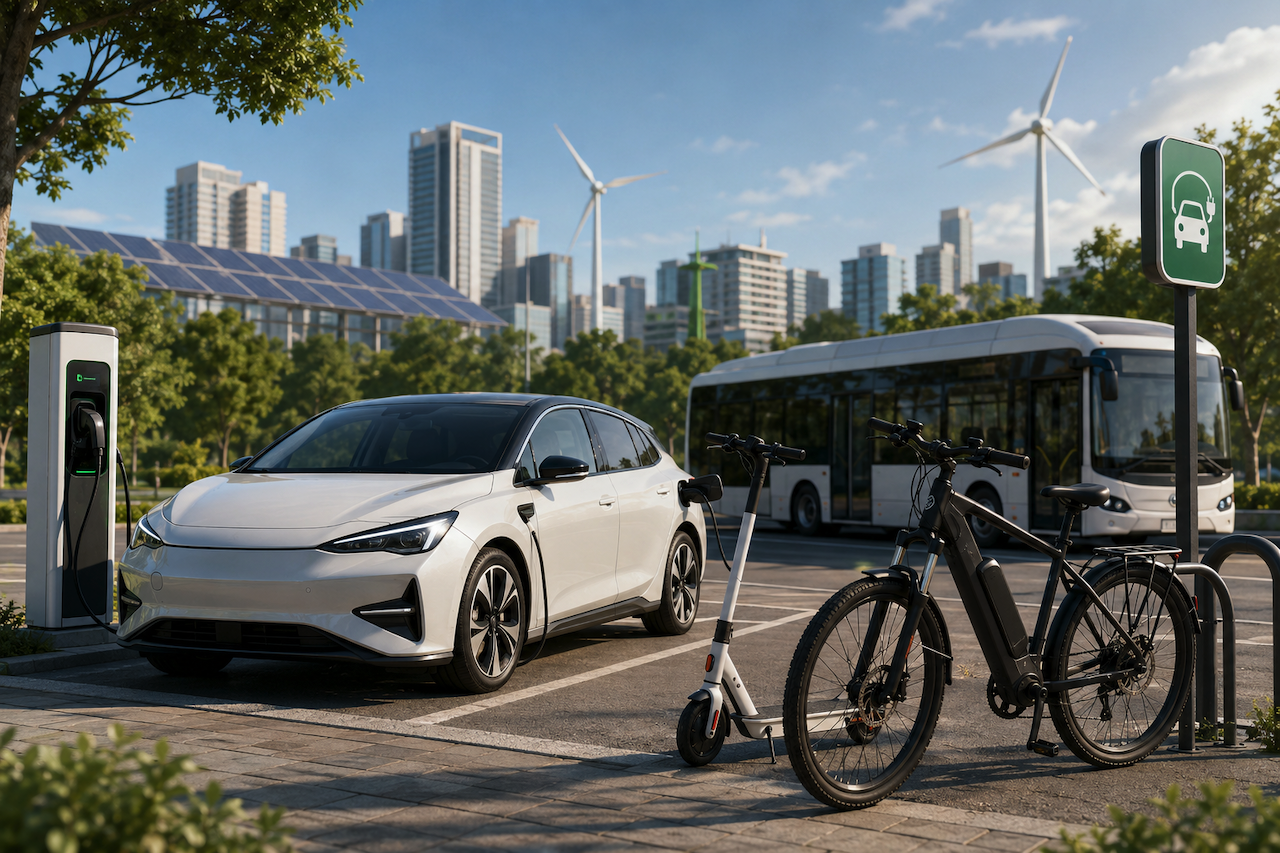
Electric transportation is experiencing a major shift in the way people think about mobility. Rising fuel prices, growing environmental awareness, and advances in electric vehicle technology are encouraging more consumers to explore cleaner, more affordable transportation options. From electric cars and buses to e-bikes and scooters, electric transportation is becoming increasingly common in everyday life.
Better charging infrastructure, government incentives, and wider access to electric mobility products are supporting this growing demand. As technology continues to improve and ownership becomes more practical for everyday households, electric transportation is evolving from a niche alternative into a mainstream transportation solution.
Electric Transportation Trends: Surpassing Expectations
Five years ago, most analysts were cautiously optimistic about electric transportation. Today, the data is outrunning many of those projections. Growth isn't uniform across every region, but the overall direction is unmistakable.
Where Electric Mobility Stands Today
Electric vehicle adoption continues to accelerate in many regions, supported by government incentives, expanding charging infrastructure, and improvements in battery technology. Areas with strong policy support, affordable electricity, and investment in charging networks have generally seen faster adoption rates than others.
The growth of electric mobility is also being supported by retailers that specialize in alternative transportation products. For example, StreetRides electric bikes offers a range of commuter e-bikes, electric scooters, and off-road models, reflecting the broader expansion of electric mobility options available to consumers today.
Consumer Behavior Shifts: What's Driving Demand for Electric Cars?
Nobody's buying electricity just to seem forward-thinking. The demand for electric cars is rooted in something far more practical: fuel costs are rising, insurance premiums remain expensive, and climate awareness has spread well beyond environmentalist circles into mainstream household decision-making.
Urban adoption is still moving faster, no surprise there. But smaller communities are steadily closing the gap as vehicle range improves and charging networks expand beyond major population centers. This isn't a niche trend anymore. It's a mainstream shift with real financial logic behind it.
Electric transportation's momentum is undeniable. But to understand where things are actually headed, you need to look at the numbers, the infrastructure, and the forces reshaping daily life behind the scenes.
Innovations Accelerating Electric Mobility Trends
Shifting attitudes matter, but technology is what's genuinely unlocking scale. Without real innovation in batteries and infrastructure, enthusiasm only takes you so far.
Advances in Vehicle Technology and Charging Infrastructure
Cold-weather performance used to be one of the biggest criticisms of electric vehicles in many regions with harsh winters. That's changing. Battery efficiency in low temperatures has improved noticeably across recent model years, and electric mobility trends are now being shaped by technologies such as Vehicle-to-Grid (V2G), which allows EVs to feed stored energy back into a home or local grid. This capability can provide additional resilience during power outages and periods of high energy demand.
Public charging networks are expanding along major highways and through urban cores. Rural coverage remains inconsistent; that's an honest gap, but the trajectory is positive.
New Players and Products: Electric Vehicle Choices Beyond Cars
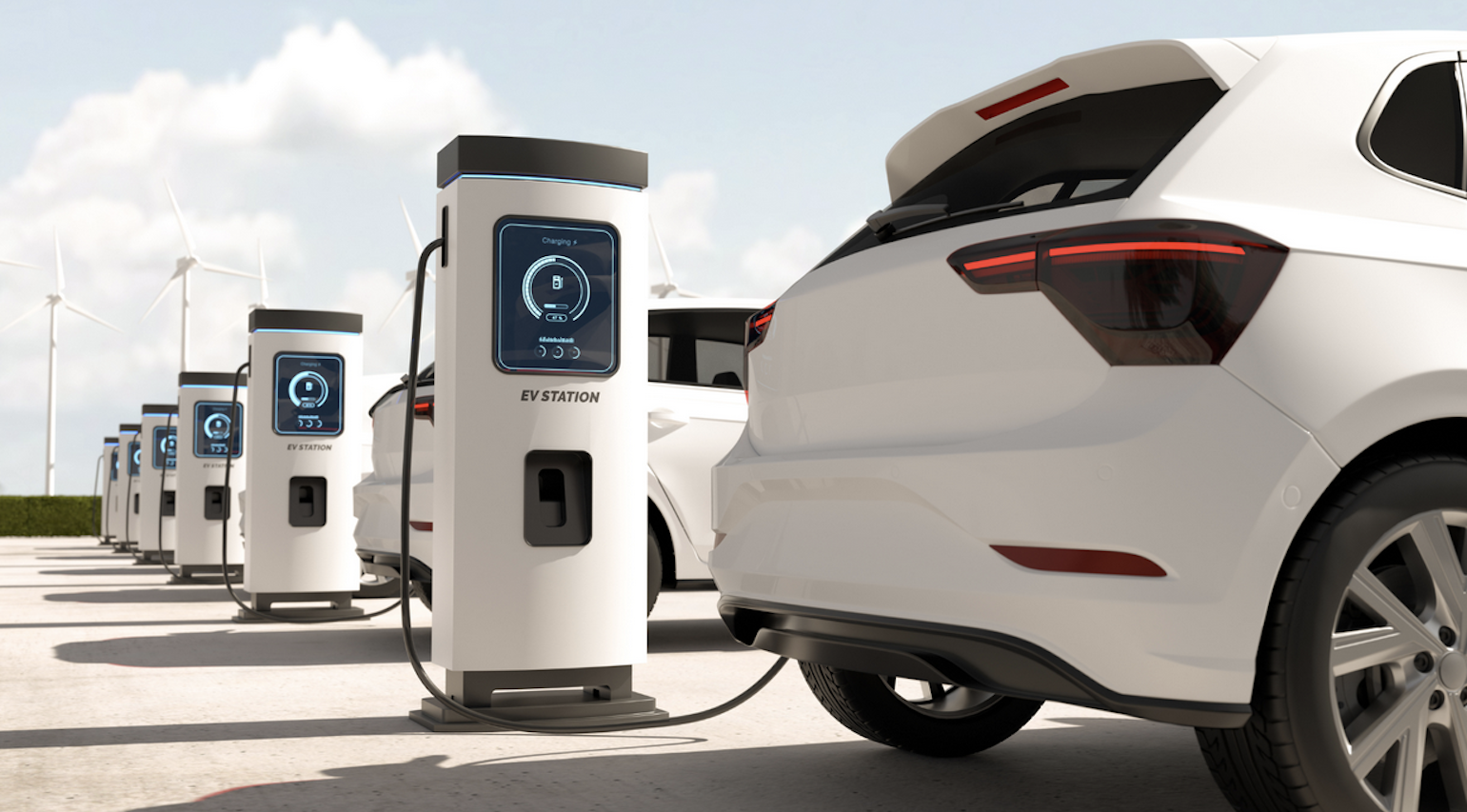
The story here isn't just about cars. E-bikes, cargo scooters, and electric transit buses are all reshaping what "going electric" means in practice. Commercial delivery fleets are also increasingly transitioning to electric vans as businesses look for ways to reduce operating costs and improve efficiency.
Smarter batteries and growing charging infrastructure are transforming the possibilities for EV drivers everywhere, and the revolution extends far beyond the traditional automobile.
Overcoming Barriers to EV Adoption
The options have never been broader. But broader adoption depends on removing real barriers, financial, logistical, and infrastructure-related, not just celebrating the wins.
Addressing Affordability: Making Electric Cars Accessible to All
Battery electric vehicle adoption has grown significantly in recent years, showing that more drivers are becoming comfortable with electric mobility. Even so, a large percentage of new-vehicle buyers still haven’t made the switch, underscoring the importance of improving affordability and accessibility.
Expanding used EV markets, flexible financing options, and newer leasing programs are helping make electric vehicle ownership more realistic for a wider range of households. As costs continue to decrease and more entry-level models enter the market, electric cars are becoming a practical option for everyday drivers rather than a premium-only purchase.
Infrastructure and Equity: Ensuring Everyone Benefits from Electric Transportation
One of the most persistent challenges in EV adoption is charging access in multi-unit residential buildings. For many apartment residents, installing a home charger is not an option, increasing reliance on public charging and reducing some of the cost advantages associated with electric vehicle ownership.
Government programs and private investment are increasingly focused on underserved communities and less densely populated areas, although implementation varies by region. Falling prices and an expanding used EV market are making electric transportation more accessible, but affordability alone will not close the gap if supporting infrastructure remains out of reach.
Policy and Industry Drivers of Electric Vehicle Growth
Expanding access to electric transportation is increasingly influenced by policy decisions, infrastructure investment, and long-term industry commitments.
Government Commitments to EV Growth
Many governments have established targets for increasing zero-emission vehicle adoption over the coming decades. Incentive programs, infrastructure funding, and regulatory initiatives vary by region, but the overall objective is similar: accelerate the transition toward lower-emission transportation. In many markets, these efforts are also supported by investment in battery manufacturing, recycling, and supply-chain development.
Industry Shifts: What's on the Horizon for Electric Mobility?
Clean technology startups, infrastructure providers, and major automakers are investing heavily in electrification. Public and private sector initiatives increasingly view electric transportation as both an environmental objective and an economic opportunity, creating long-term momentum for continued growth across the mobility sector.
The Future of Electric Transportation Is Already Taking Shape
Electric transportation is becoming an increasingly important part of everyday mobility. From electric cars and public transit to e-bikes and scooters, more people are choosing cleaner, more efficient alternatives that can reduce fuel costs while supporting long-term sustainability goals. What once felt like a future concept is now becoming a practical reality across urban, suburban, and less densely populated communities.
As technology improves and charging infrastructure continues to expand, electric mobility is becoming more accessible to a wider range of households. Government incentives, lower operating costs, and growing vehicle options are helping remove many of the barriers that once slowed adoption. For consumers seeking smarter and more flexible transportation solutions, electric mobility is no longer just an emerging trend; it is increasingly becoming part of the transportation landscape.
 FAQs
FAQs
Government incentives, charging infrastructure availability, electricity costs, vehicle selection, and public awareness all influence electric vehicle adoption rates. Regions that combine these factors often experience faster growth in electric mobility.
Incentives vary by region and may include purchase rebates, tax credits, charging infrastructure support, reduced registration fees, and utility incentives. Availability and eligibility requirements differ depending on local programs.
For many commuters, e-bikes can reduce transportation costs, simplify parking, and provide an efficient alternative for shorter trips. They are increasingly being used for commuting, recreation, and everyday transportation.
Featured Image generated by ChatGPT.
Share this post
Leave a comment
All comments are moderated. Spammy and bot submitted comments are deleted. Please submit the comments that are helpful to others, and we'll approve your comments. A comment that includes outbound link will only be approved if the content is relevant to the topic, and has some value to our readers.
Comments (0)
No comment