
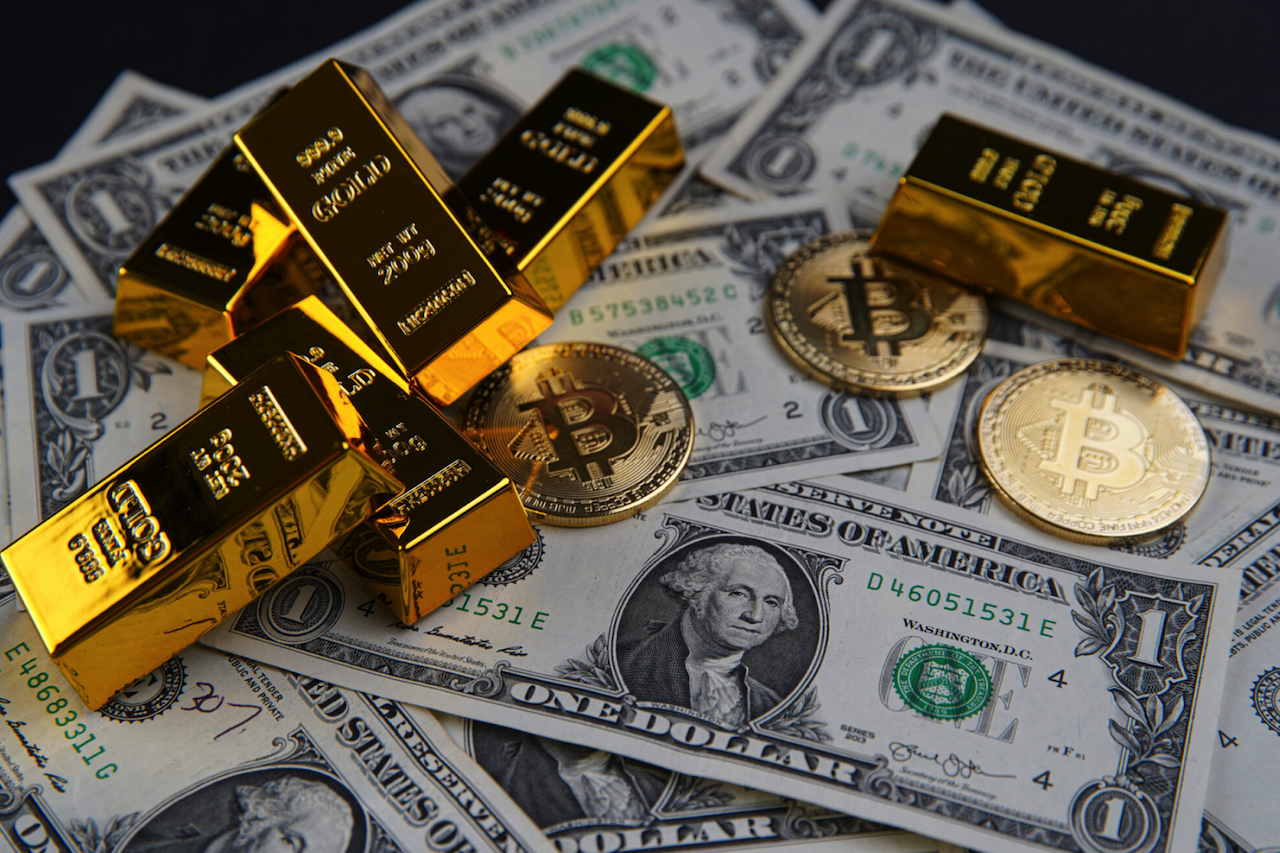
If you've ever felt like you missed the boat on crypto, take a breath. As we move through early 2026, the market isn't just a playground for "tech geniuses" or Silicon Valley insiders anymore. It is becoming a regular, everyday part of how the world handles money. Think of Bitcoin less like a confusing computer program and more like "Digital Gold"—something that is rare, hard to get, and valuable because everyone, from your neighbor to the world's biggest banks, now agrees it has worth.
But why does the price seem to jump around so much? If you're sitting at home and checking the BTC price USD on your phone, you are witnessing a global tug-of-war. On one hand, you have old-school money (the US Dollar), and on the other, you have this new digital era. In 2026, the "wild west" days are fading, replaced by a market that is more mature, but just as exciting.
Here is a simple guide to what is actually driving the market this year.
The "Big Money" Has Officially Moved In
In the early days, Bitcoin was traded mainly by hobbyists and early tech adopters. Fast forward to 2026, and the "suits" have officially arrived. You've probably heard about Bitcoin ETFs in the news. Put simply, an ETF is just a way for regular people to buy Bitcoin through their normal retirement accounts or the same apps they use to buy stocks like Apple or Tesla.
When these massive investment firms, the ones managing trillions of dollars, decide to buy Bitcoin, they don't do it to make a quick $50 and sell the next day. They buy it to hold it for five, ten, or twenty years. This creates what experts call a "supply squeeze." Imagine if a group of billionaires went out and bought 90% of all the classic Mustangs ever made. The price for the few cars left would skyrocket because they'd be so much harder to find. In 2026, we are seeing exactly that: more and more Bitcoin is being "locked away" by big institutions, leaving less for everyone else.
The US Dollar and the "Invisible Tax"
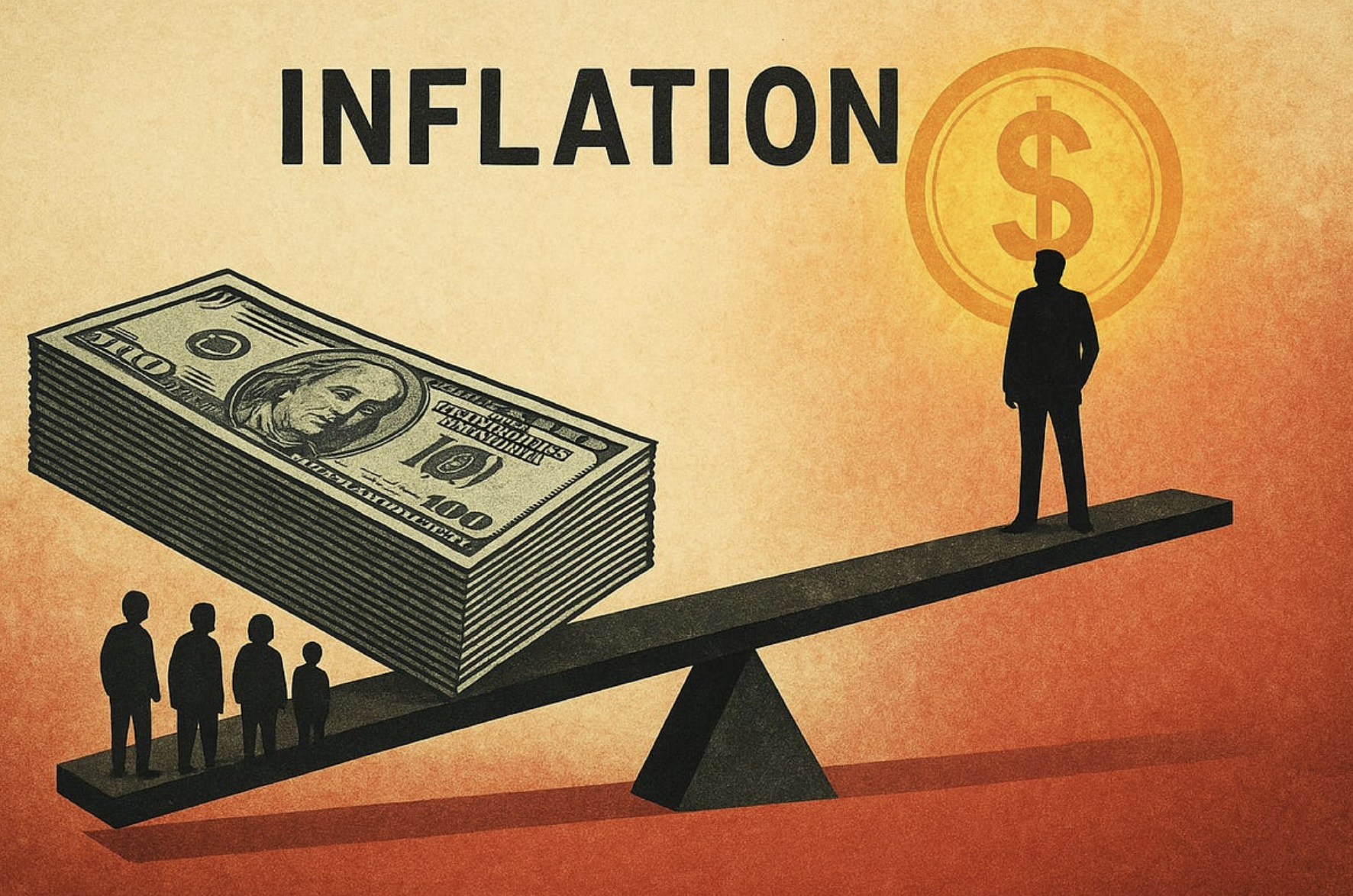
To really understand why the Bitcoin price moves, you have to look at what is happening with the US Dollar. You've likely noticed that a bag of groceries or a gallon of gas costs more today than it did a few years ago. That is inflatio, —the "invisible tax" that makes your savings buy less over time.
Bitcoin is fundamentally different because nobody can "print" more of it. While a government can decide to print more dollars to pay off debts, the total number of Bitcoins is hard-capped at 21 million. That's it. In 2026, many people are treating Bitcoin like a digital savings account that is protected from inflation. When people get nervous that the dollar is losing its "buying power," they move their money into Bitcoin, which naturally pushes the price higher.
The Rise of the Machine Economy (AI Agents)
This part sounds like science fiction, but it is a massive factor in 2026. We now share the world with "AI agents"—innovative computer programs that manage businesses, data, and energy. These AI systems need to pay for things like server space or electricity to keep running.
Surprisingly, AI agents don't use traditional bank accounts. Why? Because banks are slow, have high fees, and only operate during business hours. Instead, these machines use Bitcoin and stablecoins to pay each other instantly, 24/7. This means there is now a constant "audience" of machines buying and moving Bitcoin every single second, regardless of whether humans are feeling "fearful" or "greedy." It provides a steady heartbeat of market activity that didn't exist just a few years ago.
The "Halving" Supply Shock
Every 4 years, Bitcoin undergoes an event called the "Halving." It's a bit of a weird name, but the concept is straightforward: the reward that "miners" (the people who run the computers that keep Bitcoin secure) get for their work is cut in half.
Think of it like a gold mine that suddenly hits a rocky patch and can only pull up half as much gold as it used to. By 2026, we will be feeling the full effect of the 2024 halving. There is less "new" Bitcoin being born every day, but more people, and more machines, want to buy it. When supply goes down and demand goes up, the price typically moves in only one direction in the long term.
Why "Scarcity" Is the Magic Word
In 2026, traders are obsessed with one thing: Scarcity. We live in a world where almost everything digital can be copied. You can copy a photo, a video, or an email a million times. Bitcoin is the first digital asset that cannot be replicated.
When you own 1 Bitcoin, you own 1 out of 21 million. No more can ever be made, no matter how high the price goes. This "absolute scarcity" is why people compare it to gold. In fact, in 2026, many younger investors view Bitcoin as a much better version of gold because you can send it across the world in seconds using your phone, whereas moving physical gold requires armored trucks and heavy security.
How to Navigate the 2026 Market
Even though Bitcoin is becoming more stable, it is still a bit of a roller coaster. It's common to see the price jump or dive by thousands of dollars in a single week. For a regular person, the best way to handle this isn't to stare at the screen all day.
The most successful people in 2026 often use a strategy called "dollar-cost averaging." This is just a fancy way of saying they buy a small, set amount of Bitcoin every week or month, regardless of the price. If the price is high, they buy a little less; if the price is low, they get a little more. Over time, this takes the stress out of the "swings" and helps you build a position without having to be a professional trader.
A Simple Path to the Future
The world of money is changing quickly, and it’s normal for new systems to feel overwhelming at first. For many people, the transition from observing digital assets to actively participating starts with choosing tools that prioritize clarity, transparency, and ease of use.
As the market matures, there is a growing preference for platforms that reduce visual noise and present information in a straightforward way. This trend reflects a broader shift toward usability-driven design in financial technology, where understanding positions, balances, and activity matters more than constant alerts or complex interfaces.
Some platforms, such as Zoomex, position themselves around this usability-first approach, illustrating how parts of the industry are responding to demand for simpler, more accessible trading environments.
As digital finance continues to evolve, success often depends less on technical expertise and more on patience, risk awareness, and the ability to work with tools that support informed decision-making rather than distraction.
Disclaimer
This article is for informational purposes only and does not constitute financial, investment, or legal advice. Cryptocurrency markets are volatile, and readers should conduct their own research or consult a qualified professional before making any financial decisions.
References to third-party platforms or external websites are provided for context only. iplocation.net does not endorse, control, or take responsibility for the content, accuracy, or availability of any external links.
Share this post
Leave a comment
All comments are moderated. Spammy and bot submitted comments are deleted. Please submit the comments that are helpful to others, and we'll approve your comments. A comment that includes outbound link will only be approved if the content is relevant to the topic, and has some value to our readers.
Comments (0)
No comment