

The rapid expansion of the semiconductor industry is reshaping global supply chains and influencing demand across multiple commodities. One of the less obvious but important connections is how this growth impacts demand for gold.
Why Semiconductors and Gold Are Closely Linked
At first glance, semiconductors and gold may seem unrelated. One is associated with cutting-edge technology, while the other is often seen as a traditional store of value. However, gold plays a critical role in electronics manufacturing, especially in semiconductors.
Gold is widely used in chips because of its excellent conductivity and corrosion resistance. It ensures reliable connections in circuits, which is essential for devices ranging from smartphones to data centers. As semiconductor production scales up, so does the need for materials that can maintain performance and durability under demanding conditions.
This is where the connection becomes clear. When analysts look at gold price predictions for next 5 years, they increasingly factor in industrial demand alongside traditional drivers such as inflation and central bank policies. The semiconductor sector is becoming a more meaningful part of that demand outlook.
The Role of Gold in Chip Manufacturing
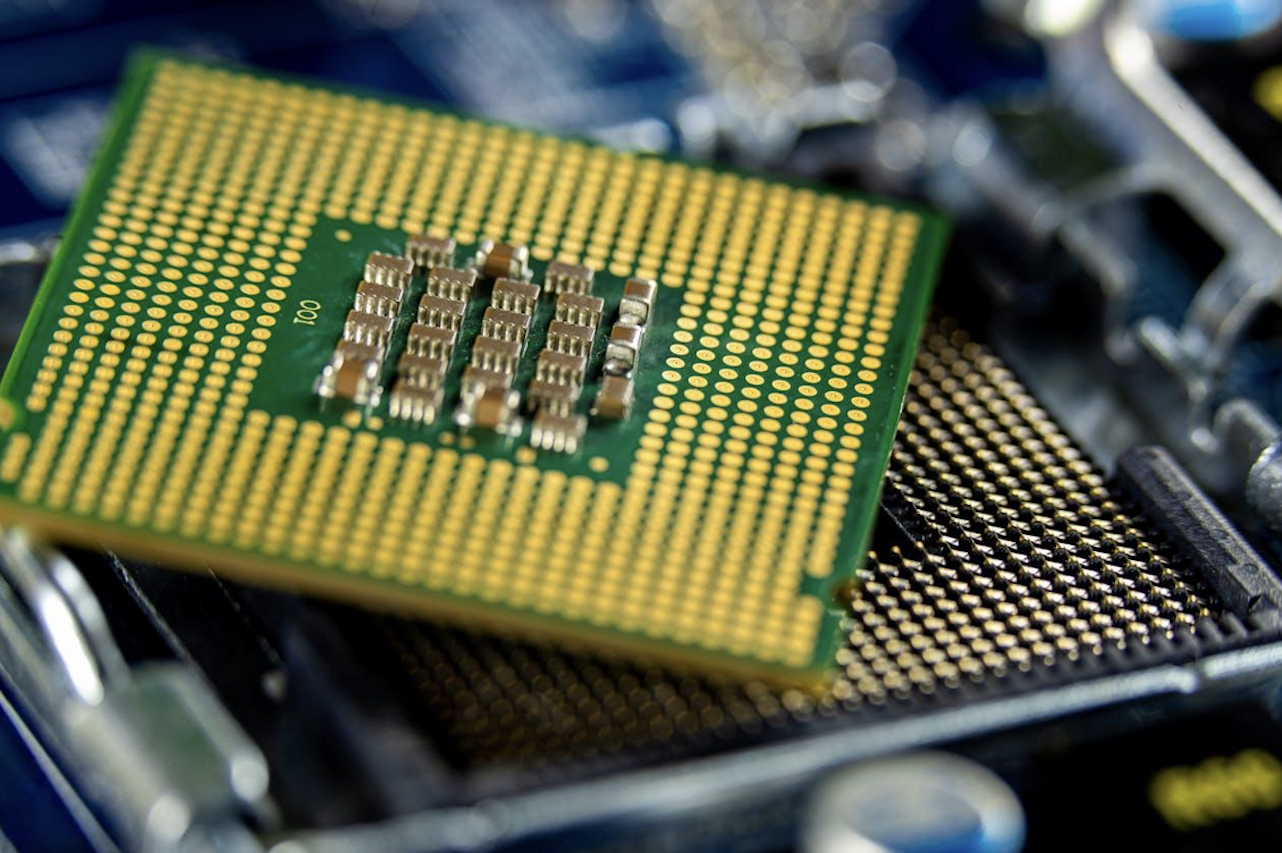
Semiconductors require highly precise and stable materials. Gold is often used in bonding wires, connectors, and coatings because it does not oxidize easily and maintains consistent electrical performance.
Although the amount of gold used in each chip is small, the sheer volume of chips produced globally makes a difference. Modern economies rely on billions of semiconductors each year, embedded in everything from cars to household appliances.
As industries such as artificial intelligence, cloud computing, and electric vehicles continue to grow, semiconductor production is expected to rise sharply. This steady increase translates into consistent baseline demand for gold from the technology sector.
Semiconductor Expansion and Industrial Demand
The semiconductor industry has entered a phase of aggressive expansion. Governments and private companies are investing heavily in new fabrication plants, often referred to as fabs, to secure supply chains and reduce dependence on imports.
Several factors drive this expansion. First, digital transformation is accelerating across industries. Second, emerging technologies like AI and machine learning require advanced chips with higher performance. Third, geopolitical tensions have highlighted the importance of local chip production.
All of this leads to higher output. More fabs mean more chips, and more chips mean increased demand for the materials that go into them, including gold. While gold demand from electronics may not dominate the market, it adds a stable and growing layer of consumption.
Investment Demand Meets Industrial Demand
Gold has traditionally been influenced by investment demand. Factors such as inflation, currency fluctuations, and economic uncertainty often drive investors toward gold as a haven.
What is changing is the balance between investment and industrial demand. The semiconductor boom introduces a more predictable, long-term source of demand. This can help stabilize gold markets, even during periods of fluctuating investment demand.
For example, if economic conditions reduce investor interest in gold, strong industrial demand from semiconductor manufacturing can help offset that decline. This dual role makes gold unique compared to many other commodities.
Supply Constraints and Market Implications
While demand is increasing, gold supply is not expanding at the same pace. Mining production grows slowly due to the complexity of exploration and extraction. Recycling adds to the supply, but it is not always enough to meet rising demand.
This imbalance can have implications for pricing. When both investment and industrial demand increase simultaneously, it can put upward pressure on gold prices. Semiconductor growth adds another variable that analysts must consider when evaluating long-term trends.
It is also worth noting that technological innovation may influence how gold is used in the future. Researchers are exploring ways to reduce material use or use alternatives, but gold’s reliability makes it difficult to replace entirely in high-performance applications.
The Bigger Picture
The relationship between semiconductors and gold reflects a broader trend in the global economy. Traditional commodities are becoming increasingly tied to modern technology. As industries evolve, the demand for materials is no longer driven solely by legacy uses but also by innovation and digital infrastructure.
For businesses and investors, understanding these connections is important. It highlights how shifts in one sector can ripple across others, creating new opportunities and risks. Semiconductor growth is not just about faster devices or better computing power. It is also about the resources that make those advancements possible.
Final Thoughts
The connection between semiconductor growth and gold demand is a reminder that even the most advanced technologies rely on fundamental materials. As the world becomes more digital, gold's role in supporting that transformation is likely to grow, shaping both industrial trends and market dynamics in the years ahead.
Disclaimer
This article is provided for informational and educational purposes only. The content reflects general industry insights and does not constitute financial, investment, or professional advice. Market conditions, commodity prices, and technological developments may change over time, and readers should conduct their own research or consult qualified professionals before making any decisions.
Any references to third-party websites are provided for convenience only and do not imply endorsement or affiliation. iplocation.net is not responsible for the content, accuracy, or practices of external websites.
iplocation.net is not liable for any losses, damages, or outcomes resulting from the use of information in this article or from reliance on any external links.
Featured Image generated by ChatGPT.
Share this post
Leave a comment
All comments are moderated. Spammy and bot submitted comments are deleted. Please submit the comments that are helpful to others, and we'll approve your comments. A comment that includes outbound link will only be approved if the content is relevant to the topic, and has some value to our readers.
Comments (0)
No comment