
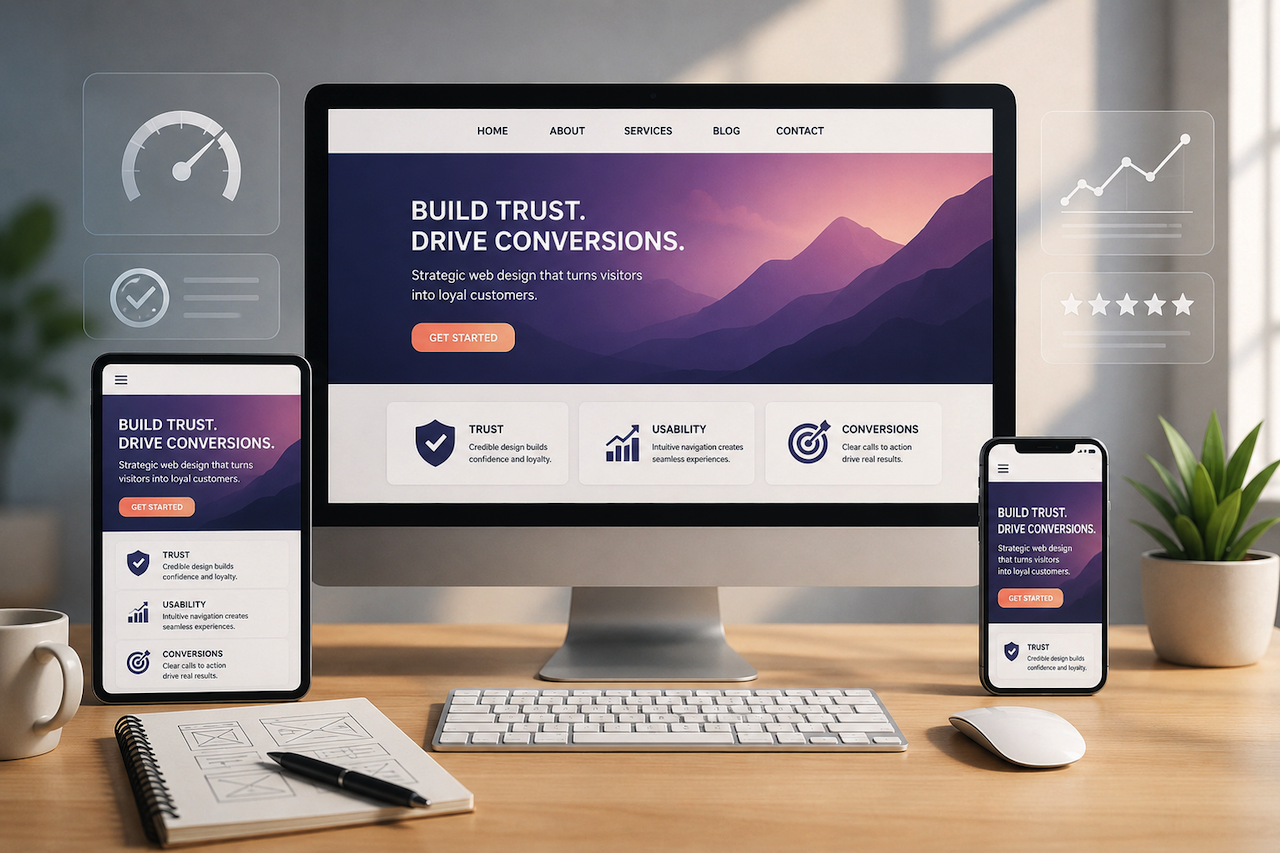
First impressions in the digital world are nearly instantaneous. For small businesses, your website serves as your primary storefront, customer service representative, and sales team all rolled into one. If the visual appeal or usability is lacking, potential customers will look elsewhere. In fact, recent industry analysis collated by HubSpot shows that up to 38% of users will disengage if the layout or content is unattractive. This striking statistic underscores a simple truth. Good design is not merely about making things look pretty. It is a fundamental requirement for establishing consumer trust and setting the stage for long-term business growth. When visitors arrive at a landing page, they make snap judgments about the company's legitimacy and credibility based almost entirely on aesthetics and ease of use.
Building a Foundation Beyond Aesthetics
While having an attractive layout is a fantastic starting point, an aesthetically pleasing site only adds real value if it actively supports your broader goals. A visually stunning page that takes too long to load or confuses visitors will ultimately fail to convert them into paying customers. This means your digital architecture must be built with user intent in mind from the very beginning. As experts have noted, the role of web design in digital marketing success is that user experience and conversion rate optimization rely heavily on the structural foundations of your site. Everything from how your pages interlink to the placement of your call-to-action buttons plays a crucial part in guiding a visitor seamlessly through your sales funnel. Without a solid technical and architectural base, even the most innovative marketing campaigns will struggle to yield a positive return on investment.
Leveraging Technical Expertise for Credibility
Modern consumers are highly discerning. They expect fast loading times, intuitive navigation, and strong security when browsing or making purchases online. Achieving this level of functionality requires a solid understanding of responsive architecture and secure coding practices. For this reason, some businesses choose to work with a website design agency or development team when building or maintaining their digital presence. Professional implementation can help ensure that technical elements such as SSL certificates, mobile responsiveness, and schema markup are configured correctly from the start. When a site performs reliably across devices without compromising speed or security, visitors are more likely to view the brand as trustworthy and professional.
Essential Elements That Drive Conversions
To truly transform a website from a simple digital brochure into an active revenue generator, specific design practices must be prioritized. A conversion-focused approach involves a careful blend of psychology, visual hierarchy, and technical performance. Consider implementing the following core strategies to maximize your digital potential:
- Mobile-First Adaptability: With the majority of internet traffic now coming from smartphones, a site must be designed for mobile screens first. Menus should be easy to tap, and text must be legible without users needing to zoom in.
- Intuitive Navigation Systems: Users should never have to guess where to find critical information. A clean, logical menu structure reduces frustration and keeps visitors engaged on your site for longer periods.
- Accelerated Page Speeds: Even a delay of a few seconds can drastically increase your bounce rate. Optimizing images, leveraging browser caching, and minimizing the use of heavy scripts will help keep your pages loading swiftly.
- Clear Calls to Action (CTAs): Your design should naturally draw the eye toward the actions you want users to take. Using contrasting colors and persuasive language for your buttons will significantly boost click-through rates.
- Accessible Content Design: Ensuring your website meets basic accessibility standards broadens your potential audience while demonstrating inclusivity. High-contrast text and descriptive alt tags for images are simple steps that make a massive difference.
The Lasting Impact on Customer Relationships
Ultimately, the way your website is structured and presented speaks volumes about how you value your customers. A clunky, outdated platform suggests a lack of attention to detail, whereas a seamless, modern interface demonstrates a commitment to user satisfaction. When users feel respected by the digital environment you have created they are far more likely to engage with your products and services more deeply.
Furthermore, search engines continuously refine their algorithms to reward sites that offer exceptional user experiences. This means that prioritizing professional design and robust technical health creates a positive feedback loop. Better usability leads to higher search rankings, which in turn drives more organic traffic to your newly optimized pages. By investing in strategic design practices, you do more than improve your immediate conversion metrics. You build a solid foundation of credibility that encourages repeat visits, positive word-of-mouth recommendations, and sustained brand loyalty over time. Embracing these foundational elements ensures that your digital presence remains highly competitive and primed for continuous growth.
Featured Image generated by ChatGPT.
Share this post
Leave a comment
All comments are moderated. Spammy and bot submitted comments are deleted. Please submit the comments that are helpful to others, and we'll approve your comments. A comment that includes outbound link will only be approved if the content is relevant to the topic, and has some value to our readers.
Comments (0)
No comment