
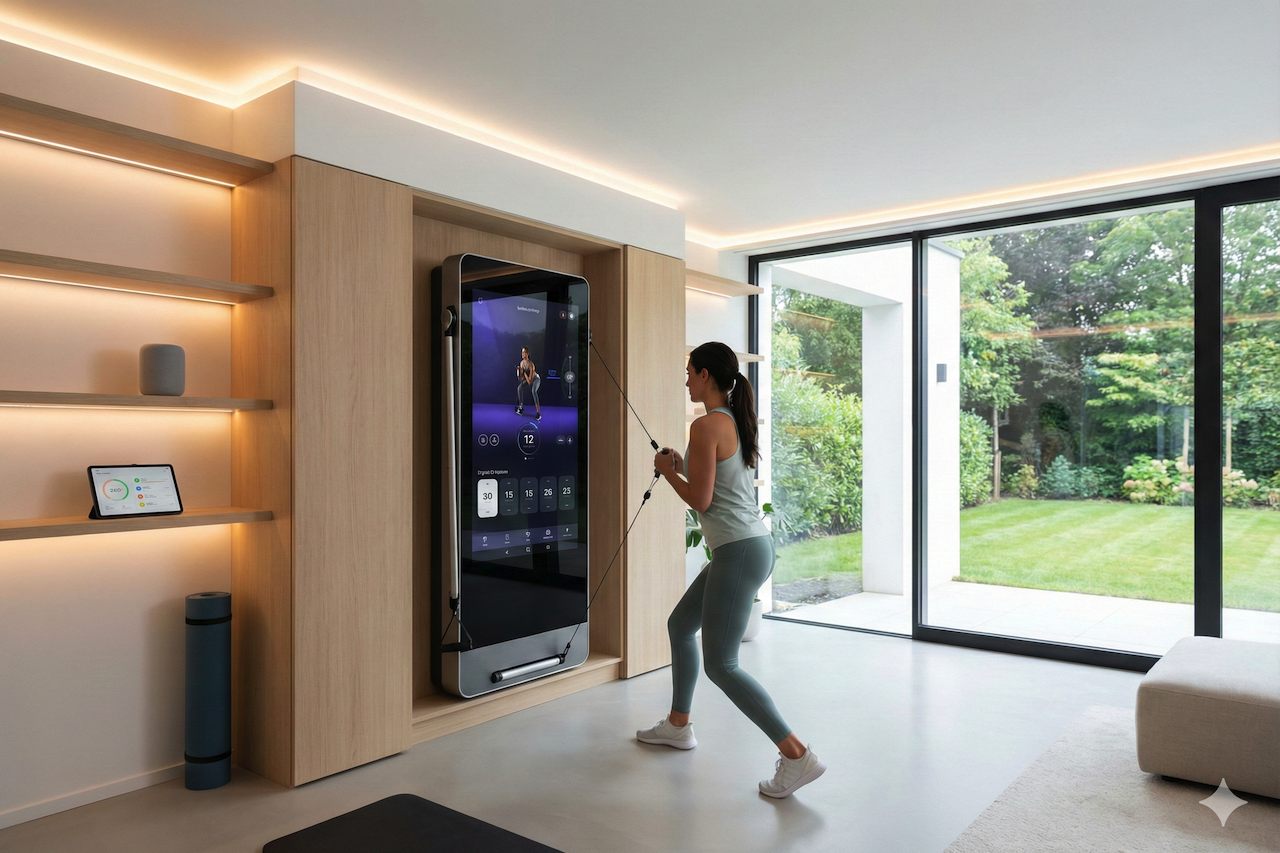
In today’s world, technology increasingly shapes how people live, work, and take care of their health. With the rise of smart homes, individuals are finding new ways to support wellness directly within their living spaces. One notable development is the integration of connected fitness systems into the home environment. These all-in-one smart gyms align naturally with digital lifestyles, making fitness more accessible, efficient, and engaging.
The Rise of Smart Home Wellness
Smart home technology has transformed everyday life, from lighting and security to entertainment and climate control. More recently, it has begun to influence how people approach health and fitness. Smart home wellness focuses on creating living environments that actively support physical and mental wellbeing through connected devices and intelligent systems.
Connected fitness equipment goes beyond traditional exercise machines by incorporating data tracking, adaptive programs, and guided workouts. This integration helps users stay motivated and consistent without the need to travel to external fitness facilities.

What Defines a Connected Smart Gym?
A connected smart gym is typically a compact, intelligent fitness system that combines strength training, cardio, and guided workouts into a single platform. These systems often use digital resistance, motion tracking, and AI-driven coaching to support users at different fitness levels. Large displays or companion apps provide structured workout programs that adapt over time based on performance.
Designed to integrate with broader smart home ecosystems, connected gyms can sync with health apps, wearables, and other devices. This allows fitness data to contribute to a more comprehensive view of personal health, supporting a more personalized wellness journey.
Benefits of Integrating Connected Fitness Into the Home
Bringing a connected gym into the home offers several advantages. First, it removes common barriers such as commute time and scheduling constraints, making it easier to exercise consistently. This convenience often leads to improved adherence to fitness routines.
Second, guided workouts and intelligent feedback help reduce uncertainty around exercise technique and program design. By providing structured routines and real-time adjustments, connected systems can improve safety and effectiveness, especially for users without formal training experience.
Third, integration with other digital health tools enables a more holistic approach to wellness. Fitness activity can be viewed alongside metrics such as heart rate, sleep patterns, and recovery, helping users make more informed decisions about their overall health.
How Smart Home Fitness Supports Motivation and Results
Maintaining motivation is a common challenge in fitness, even with the convenience of home-based workouts. Connected fitness systems address this by offering adaptive coaching, progress tracking, and goal-setting features that respond to individual performance.
Personalized feedback and incremental challenges help keep workouts engaging while encouraging steady improvement. When fitness routines feel tailored and seamlessly integrated into daily life, users are more likely to remain committed over the long term.
Creating a Wellness-Focused Living Environment
Integrating connected fitness equipment is part of a broader movement toward wellness-oriented home design. In such environments, smart lighting, air quality monitoring, and digital health tools work together to support healthier habits.
A connected gym adds an active dimension to this setup, encouraging regular movement as part of everyday routines. When combined with other wellness-focused technologies, it contributes to a balanced lifestyle that supports both physical activity and mental wellbeing.
Who Can Benefit From Connected Home Fitness Systems?
Connected fitness systems are designed to be adaptable. Beginners can follow guided programs that emphasize safety and gradual progression, while experienced users can access more advanced routines and performance tracking. Individuals recovering from injury or seeking low-impact exercise options can also benefit from structured, adjustable workouts.
This flexibility makes connected home gyms suitable for a wide range of users, including busy professionals, families, and older adults. Their ability to adapt to different needs and schedules supports inclusive, long-term fitness engagement.
The Future of Fitness in Smart Homes
As technology continues to evolve, connected fitness systems are likely to become even more integrated with smart home platforms and digital health ecosystems. Future developments may include deeper integration with wearable data, more advanced virtual coaching, and enhanced personalization.
These trends suggest a future where fitness is more accessible, data-informed, and seamlessly woven into daily life. Connected home fitness solutions are positioned to play a central role in this shift toward technology-enabled wellness.
Tips for Integrating Connected Fitness Into the Home
To maximize the benefits of a connected fitness system, consider the following best practices:
- Choose an appropriate space: Select a quiet, well-ventilated area with enough room for safe movement.
- Integrate devices: Sync fitness equipment with health apps and wearables to build a complete wellness profile.
- Set realistic goals: Use guided programs to establish achievable milestones and track progress over time.
- Maintain the system: Keep equipment clean and software updated to ensure reliable performance.
- Build consistency: Schedule regular workout times to make fitness a sustainable habit.
Following these steps helps ensure that connected fitness becomes a natural and effective part of the smart home environment.
Conclusion
Integrating connected fitness systems into a smart home reflects a growing emphasis on wellness-driven living. By combining technology, convenience, and guided support, these solutions, including connected gyms such as Speediance, make it easier for individuals to prioritize health in a personalized and flexible way.
As smart homes become more common, fitness technologies that blend seamlessly into digital lifestyles are likely to play an increasingly important role in supporting long-term wellbeing. Connected home fitness represents a shift toward healthier living environments where technology actively supports everyday health goals.
Featured Image generated by Google Gemini.
Share this post
Leave a comment
All comments are moderated. Spammy and bot submitted comments are deleted. Please submit the comments that are helpful to others, and we'll approve your comments. A comment that includes outbound link will only be approved if the content is relevant to the topic, and has some value to our readers.
Comments (0)
No comment