
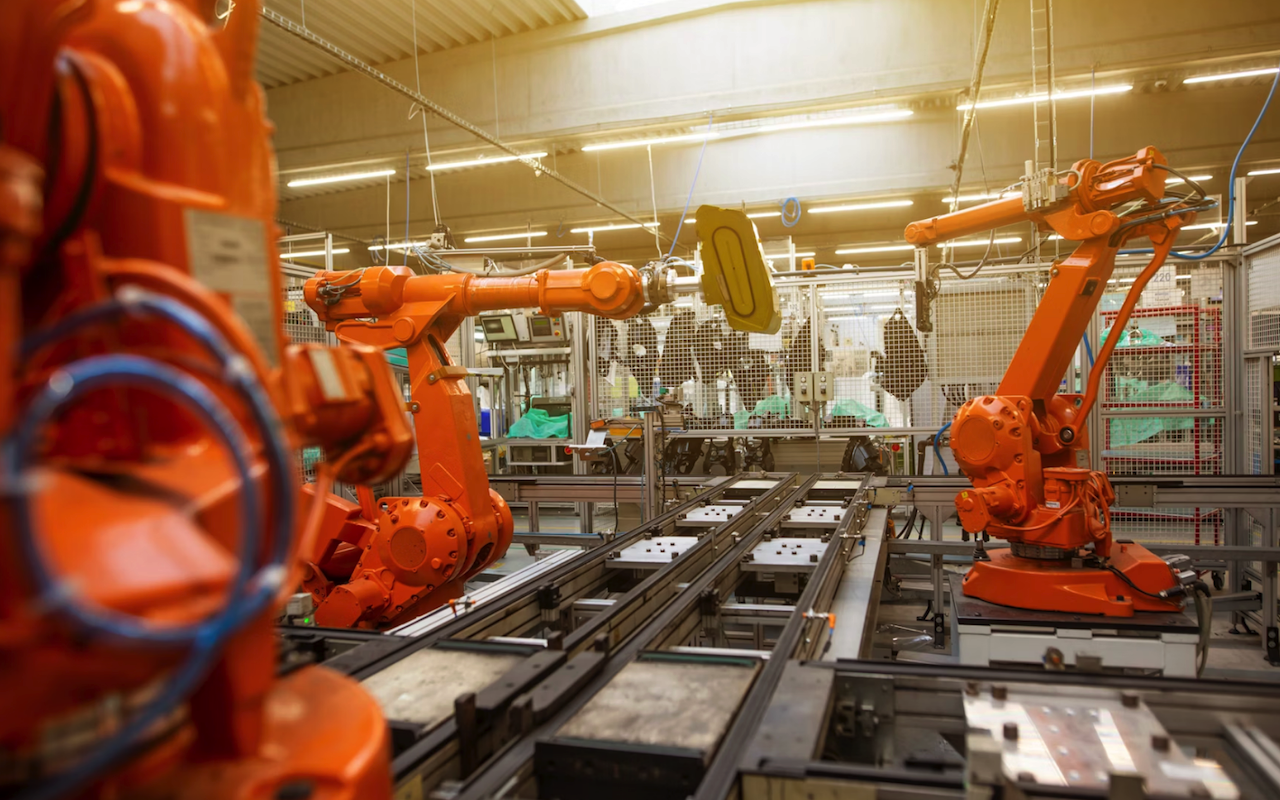
Robotics drives the new factory floor. Lines move faster. Decisions fire in real time. Each machine depends on clean data to act with precision. This shift creates both strength and strain. More connections invite more points of failure. One flaw can break coordination across an entire system. Wiring becomes a frontline asset here. It shapes every signal a robot sends or receives.
Security threats rise as factories link each process to an IoT network. Sensors feed nonstop updates. Controllers react to every shift. Robots rely on tight timing. Strong wiring keeps this flow sharp. It limits interference. It blocks faults that spread through connected machines. It anchors the whole environment in stability.
The Physical Layer as the Foundation of IoT Reliability
Robotics wiring sets the baseline for every IoT action, making it essential in industrial automation. Each cable directs power and data with precision. A clean physical layer prevents sudden drops that interrupt automated work. This stability matters in environments where machines react in seconds. Robots follow strict paths. Sensors feed rapid updates. Controllers execute each command with tight accuracy.
Weak wiring creates hidden risks. A loose connector can cause a motor to interrupt mid-stroke. A worn jacket can expose conductors and distort signals. Heat and vibration push cables to their limits. High-quality wiring resists these stresses. It keeps every device linked to the system with clarity and strength.
Many facilities partner with robotics cable assembly manufacturers to secure this foundation. These specialists design harnesses that match harsh factory conditions. Their assemblies protect conductors from dust, fluids, and constant motion. A strong physical layer strengthens the entire network. It reduces failures that ripple across machines. It keeps operations sharp, predictable, and fully responsive.
How Poor Wiring Creates Operational Weak Points in IoT Systems
Unstable wiring disrupts the flow of information inside a connected factory. A poor link can delay a sensor update. A weak contact can cause a control command to fail. These glitches confuse automated processes that depend on precise timing. Robots slow down or pause. Controllers misread conditions. Production loses its rhythm.
Faulty wiring introduces misleading signals. A device may report values that shift without cause. A controller may respond to inputs that never happened. These symptoms resemble software faults. Teams waste time tracing code or firmware while a wiring flaw goes undetected. Each delay extends downtime and exposes the network to wider risk.
High-quality wiring prevents these disruptions. Clean connections deliver stable signals. Devices respond with consistency. Automated lines return accurate feedback. This stability protects IoT systems from misfires and false alerts. It preserves the trust each machine places in the data it receives. It supports uninterrupted flow across the entire environment.
High-Quality Wiring Prevents Electrical Interference That Damages IoT Integrity
Electromagnetic noise weakens the accuracy of connected devices. Nearby motors, drives, and power lines release patterns that distort signals. Poor wiring leaves little protection against these forces. A cable with weak shielding can pick up interference, which can alter sensor readings. This disruption spreads confusion through automated tasks.
Strong wiring blocks these disruptions. Proper shielding prevents stray energy from entering data pathways. Twisted pairs reduce noise that would otherwise distort signals. Clean conductors maintain clarity even in harsh electrical zones. Each measure protects the integrity of device communication.
A stable electrical foundation strengthens network management. Sensors deliver consistent values. Controllers act with precision. Robots execute commands with confidence. High-quality wiring preserves this clarity in real time. It keeps IoT systems aligned and reduces failures caused by corrupted signals. It reinforces the accuracy that automation depends on each hour.
Robust Wiring Prevents Downtime That Exposes IoT Networks to Additional Risk
Downtime creates wide gaps in automation. A single failure can stop a line. Robots freeze. Sensors fall silent. Controllers wait for data that never arrives. Poor wiring triggers these sudden breaks. A weak contact forces a reboot. An unstable link interrupts a device at the wrong moment. Each disruption opens a window for errors that spread across the system.
High-quality wiring reduces these failures. Strong connections support continuous uptime. Durable components keep devices powered during long shifts. Stable conductors preserve communication under stress. These qualities limit unplanned pauses and protect workflows.
Reduced downtime strengthens network security. A stable system prevents accidental resets that expose vulnerable states. Devices maintain their configured roles. Controllers keep their timing without forced recovery cycles. Strong wiring anchors the network in consistent operation. It protects every process that depends on continuous performance.
Good Cable Management Enhances Threat Visibility and Network Monitoring Accuracy
Clear wiring layouts strengthen oversight in connected factories. Clean routes help teams trace each signal path. Organized bundles reduce confusion during fast troubleshooting. This structure lets engineers pinpoint faults without delay. It also prevents accidental damage from crowded panels or tangled runs.
Strong cable management sharpens network visibility. A tidy layout reveals behavioral changes sooner. A device that reports irregular patterns becomes easier to track. A shift in signal strength stands out when routes follow clear lines. This clarity supports accurate diagnostics across the system.
Better visibility strengthens security. Clean baselines help monitoring tools detect unusual activity. Stable wiring paths reduce the noise that hides early signs of compromise. Each cable sits in a known location. Each device signals through a predictable route. This structure improves detection speed while protecting the broader IoT environment.
How to Ensure Optimal Functionality of Robotic Wiring
Robotic wiring performs best when each step of installation and upkeep follows a transparent, disciplined process—precision matters at every stage. Strong materials help, but technique completes the system. Predictive maintenance is essential to guarantee safe, continuous operation.
Use Components Rated for Harsh Industrial Conditions
Choose cables and connectors built for heat, motion, and chemical exposure. These components resist early fatigue and maintain clean performance. Factory floors create constant stress. Rated materials handle these forces and preserve the accuracy of each device in the network.
Follow Proper Routing and Separation Guidelines
Route signal lines away from high-current paths. Maintain clean bends and consistent spacing. These steps reduce electrical noise and prevent premature wear. Strong routing protects timing, improves clarity, and keeps robotic movements aligned with real-time demands on the floor.
Test Each Connection Before Bringing a System Online
Confirm signal stability using controlled checks. Inspect every termination point. Verify power delivery and data clarity. These tests prevent early failures and reveal hidden flaws. A verified system launches with confidence and protects the network from disruptive surprises during operation.
Wrapping Up
High-quality robotics wiring protects an IoT network by keeping each signal clear and each device aligned with real conditions. Substantial assemblies block interference. Clean routes support accurate monitoring. Reliable contacts prevent sudden drops that expose weak points.
These layers create a stable base for automation. They secure the flow that drives sensors, robots, and controllers. Strong wiring turns a connected factory into a controlled, resilient, and dependable environment.
Featured Image by Unsplash.
Share this post
Leave a comment
All comments are moderated. Spammy and bot submitted comments are deleted. Please submit the comments that are helpful to others, and we'll approve your comments. A comment that includes outbound link will only be approved if the content is relevant to the topic, and has some value to our readers.
Comments (0)
No comment