
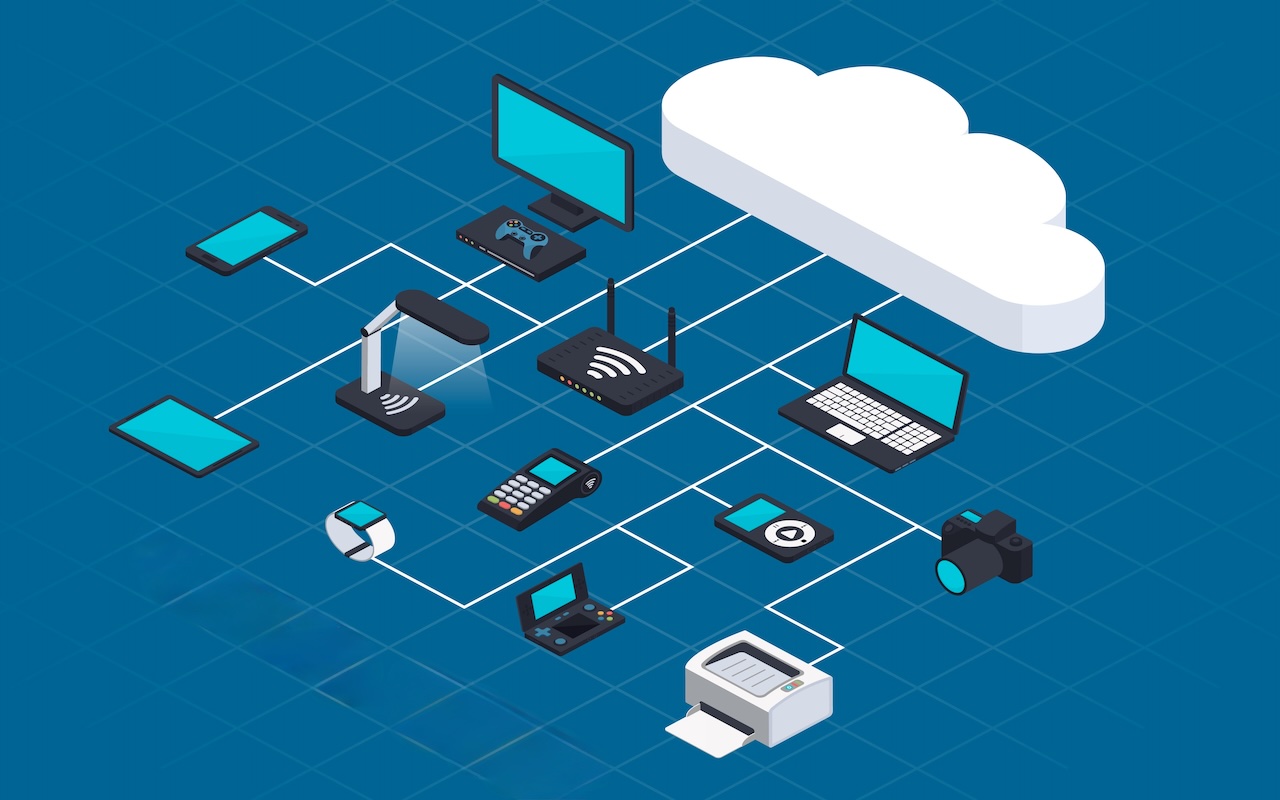
In today's hyper-connected world, privacy and cybersecurity threats are no longer limited to the corporate firewall and data center. With the spread of IoT devices, remote deployments, and edge computing, network defense has become increasingly decentralized. One solution that leads the pack is the secure embedded gateway—a hardened, smart edge device capable of filtering network traffic and imposing privacy policies in real time, even in extreme environments.
As organizations seek to protect data closer to where it’s generated, embedded gateways offer the ideal balance of reliability, performance, and localized security.
Why Edge Gateways Matter for Privacy
Edge gateways serve as the first line of defense at the perimeter of a local network. They process traffic between connected devices and upstream systems, whether that’s a corporate cloud, central database, or hybrid infrastructure. They can enforce data minimization policies, inspect traffic for threats, and ensure that only necessary information travels beyond the edge.
This decentralized privacy control is especially critical in sectors with strict regulations, such as:
According to Gartner, by 2025, 75% of enterprise-generated data will be created and processed outside traditional data centers, making localized enforcement a critical component of data privacy strategies.
Threats at the Edge
While edge devices enable operational agility, they also introduce new vulnerabilities. Common threats include:
- Man-in-the-middle (MITM) attacks targeting insecure communications
- Unauthorized device access from unmonitored ports or protocols
- Data exfiltration through rogue or compromised endpoints
According to a 2023 Ponemon Institute report, 63% of organizations experienced at least one endpoint breach in the past 12 months. This highlights the growing need to secure data at its point of origin, not just in the cloud.
Rugged Embedded Systems as Gateways
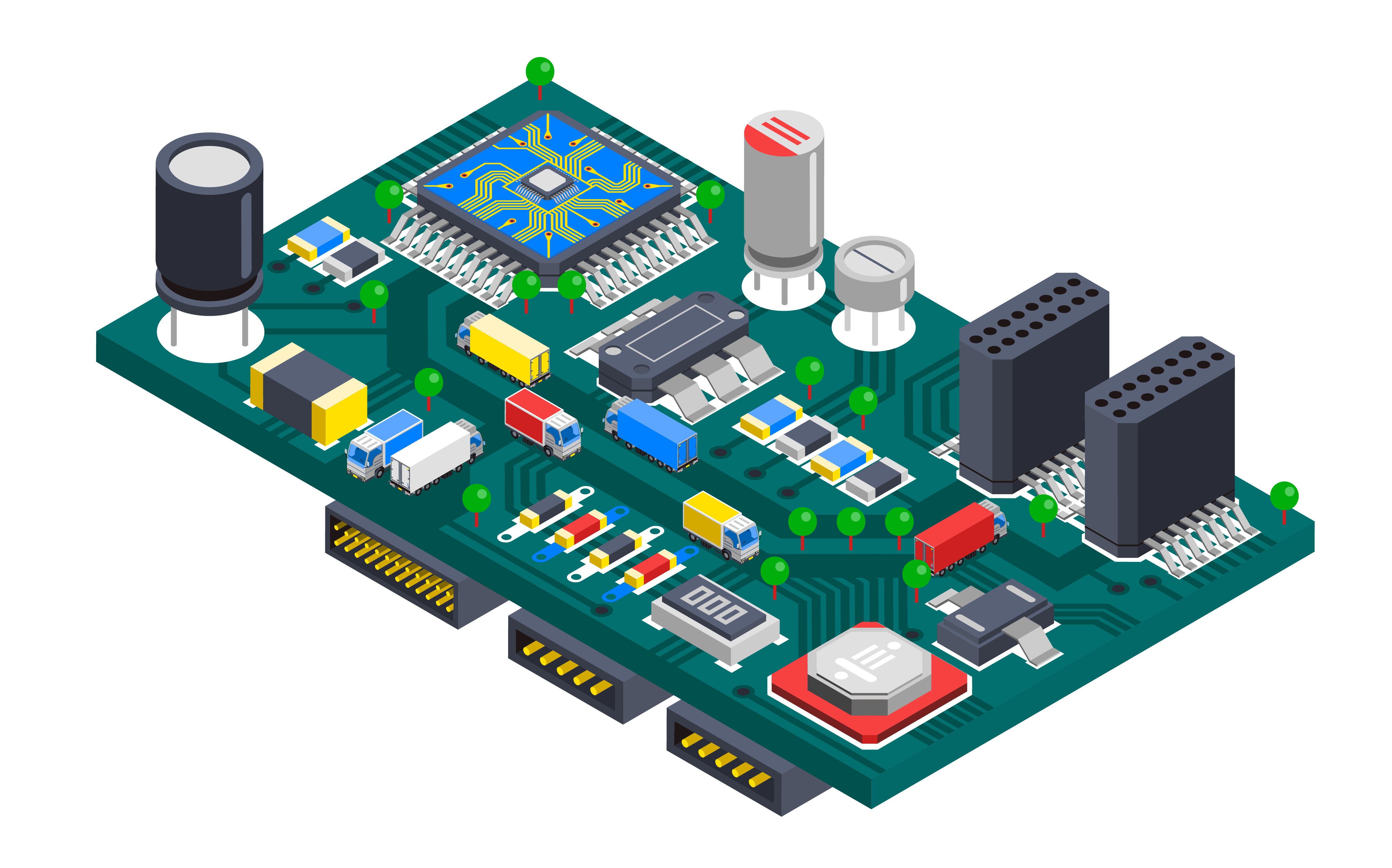
To operate reliably in remote or harsh environments, gateways must be rugged embedded systems designed for durability and performance under extreme conditions. These systems are purpose-built with:
- IP65/IP67-rated enclosures for dust and water resistance
- Passive cooling (no fans) for long-term uptime
- Extended temperature ranges (−40°C to +85°C)
- Shock and vibration resistance
Rugged embedded systems are ideal for edge deployments where environmental stability cannot be guaranteed. For instance, in offshore oil rigs, these gateways filter telemetry and enforce secure communications between drilling sensors and central command systems, all while enduring corrosive air and extreme conditions.
Embedded Gateways in Action: Use Cases
Secure embedded gateways are already proving their value in several industries:
Manufacturing
Secure connectivity between industrial control systems (ICS) and IT networks. Traffic filtering protects against malware targeting OT infrastructure.
Healthcare
On-premise gateways ensure that patient monitoring devices securely send anonymized data to cloud analytics, in compliance with HIPAA.
Retail
Embedded devices in stores filter POS system traffic and manage secure Wi-Fi zones, preventing rogue device access.
Smart Cities
Gateways deployed at traffic lights or public kiosks secure vehicle-to-infrastructure (V2I) communications and prevent surveillance misuse.
Technical Architecture
A typical secure embedded gateway includes:
- Low-power SoC or x86 CPU with built-in encryption modules
- Multiple network interfaces (Ethernet, LTE, Wi-Fi)
- Traffic filtering engine with deep packet inspection (DPI)
- Secure boot, TPM (Trusted Platform Module), and firmware encryption
- Firewall rules, VPN client, and DNS-over-HTTPS (DoH)
Popular platforms include OpenWRT, pfSense, or customized Linux builds that offer modularity and remote management.
Key Benefits
Implementing secure embedded gateways delivers multiple advantages:
- Privacy Enforcement at the Edge: Sensitive data is filtered or encrypted before it leaves the source device.
- Reduced Attack Surface: Local inspection and segmentation limit the spread of threats.
- Regulatory Compliance: Helps meet GDPR, HIPAA, and other data protection mandates with localized policy enforcement.
- Operational Resilience: Continues filtering and security tasks even if the upstream cloud is unreachable.
- Cost Savings: Avoids backhauling all traffic to centralized data centers for inspection.
Implementation Essentials
For a successful deployment, consider the following:
- Threat Modeling: Identify critical data flows and potential vulnerabilities.
- Device Hardening: Disable unused ports, enforce authentication, and apply secure firmware updates.
- Monitoring: Set up local and remote alerting for traffic anomalies.
- Vendor Evaluation: Choose hardware that supports long-term availability, security certifications (e.g., FIPS 140-2), and OTA (over-the-air) updates.
Also, plan for integration with centralized SIEM (Security Information and Event Management) tools to provide a unified view of security posture.
Conclusion
As more data originates from distributed endpoints, securing it at the edge is no longer optional—it’s foundational. Secure embedded gateways offer a rugged, intelligent, and privacy-first solution to protect networks from within, especially in scenarios where centralized protections fall short.
Images by Freepik.
Share this post
Leave a comment
All comments are moderated. Spammy and bot submitted comments are deleted. Please submit the comments that are helpful to others, and we'll approve your comments. A comment that includes outbound link will only be approved if the content is relevant to the topic, and has some value to our readers.
Comments (0)
No comment