
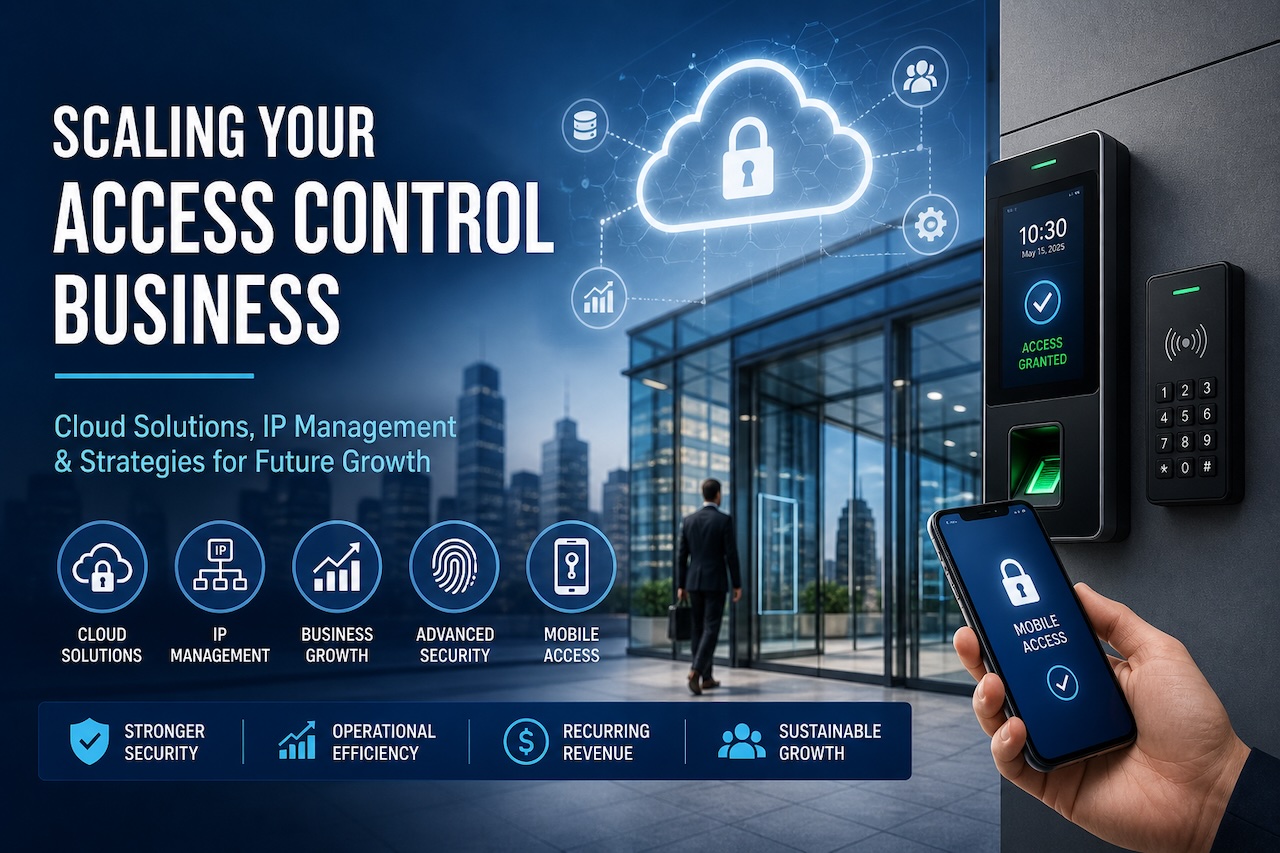
Did you know the global access control market is projected to surpass $15 billion by 2027, driven by rapid adoption of cloud technologies, mobile credentials, and AI-powered security systems? The industry is evolving beyond traditional physical security into a data-driven, software-centric ecosystem. As organizations prioritize flexible and scalable security infrastructure, access control is no longer just about restricting entry—it has become a critical layer in enterprise risk management and digital transformation strategies.
The access control industry is undergoing a significant transformation fueled by cloud computing, IoT expansion, and increasing cybersecurity concerns. Traditional on-premise systems, once the standard, are steadily being replaced by cloud-based platforms that offer centralized management, real-time visibility, and seamless scalability. For businesses operating in this space, adapting to these changes is no longer optional—it is essential for long-term growth, competitiveness, and operational efficiency.
The Power of Cloud Solutions in Access Control
Cloud-based access control has emerged as the backbone of modern security infrastructure. Unlike legacy systems that require extensive hardware and manual maintenance, cloud solutions provide flexibility and efficiency through remote access, automatic updates, and centralized control. Businesses can manage multiple locations, monitor activity in real time, and deploy updates instantly without physical intervention.
This shift toward cloud is also driven by cost optimization. Organizations reduce capital expenditure on hardware while benefiting from predictable subscription-based pricing models. At the same time, cloud platforms enable seamless integration with other systems such as video surveillance, identity management, and HR platforms, creating a unified security ecosystem.
Adoption continues to accelerate, with the majority of enterprises now relying on cloud infrastructure in some capacity. In access control specifically, cloud-native systems are growing at a faster rate than traditional solutions, reflecting a broader shift toward software-defined security.
Another major advantage lies in data analytics. Modern platforms collect and analyze access data, allowing organizations to identify patterns, detect anomalies, and improve operational decision-making. This data-driven approach transforms access control from a reactive system into a proactive security tool.
IP Management: The Backbone of Modern Access Control
As access control systems become increasingly connected, effective IP management has become a foundational requirement. Every device—whether it is a reader, controller, or surveillance camera—relies on network connectivity. Without proper IP address management, systems can become fragmented, inefficient, and vulnerable to security risks.
IP management involves organizing, tracking, and maintaining all connected devices within a network. It ensures that each device is correctly identified, assigned an appropriate address, and monitored throughout its lifecycle. This not only prevents conflicts and downtime but also strengthens overall system security.
Modern access control environments often rely on automated IP address management (IPAM) tools to handle large-scale deployments. These tools streamline address allocation, provide real-time visibility, and simplify troubleshooting. Combined with protocols like DHCP, organizations can dynamically manage devices while maintaining network stability.
Security is another critical dimension. Proper IP management enables faster detection of unauthorized devices and supports network segmentation strategies that isolate sensitive systems. As cyber threats increasingly target physical security infrastructure, strong network management practices are essential for protecting both digital and physical assets.
Future-Proofing Your Access Control Business
Looking ahead, several emerging technologies are reshaping the future of access control. One of the most influential is the rapid expansion of IoT devices, which continues to increase the number of connected endpoints within security systems. This growth presents both opportunities and challenges, requiring businesses to design scalable and secure architectures.
Artificial intelligence and machine learning are also playing a growing role. These technologies enable predictive maintenance, automated threat detection, and behavioral analytics. Instead of simply responding to incidents, systems can now anticipate risks and take proactive action.
Biometric authentication is becoming more sophisticated and widely adopted, particularly in high-security environments. Advances in facial recognition, fingerprint scanning, and iris detection are improving accuracy while reducing friction for users. At the same time, mobile credentials are gaining popularity, allowing smartphones to replace traditional keycards and enabling more convenient and secure access experiences.
Edge computing is another trend shaping the industry. By processing data closer to the source, edge systems reduce latency and bandwidth usage while enabling real-time decision-making. This is particularly valuable for applications such as biometric verification and instant access approvals.
To stay competitive, businesses must continuously invest in innovation, training, and partnerships. Keeping pace with these technological shifts ensures not only relevance but also leadership in an increasingly dynamic market.
Building a Resilient Access Control Business
Resilience has become a defining characteristic of successful access control businesses. In a landscape marked by rapid technological change and evolving threats, companies must build systems and strategies that can adapt to uncertainty while maintaining consistent service delivery.
One of the most effective approaches is diversifying service offerings. Modern customers expect more than basic access control—they seek integrated solutions that include video surveillance, visitor management, and cybersecurity support. By expanding capabilities, businesses can increase value and strengthen their market position.
The shift toward recurring revenue models is equally important. Subscription-based services, maintenance contracts, and cloud platforms provide predictable income streams while improving customer retention. This transition from one-time installations to ongoing relationships reflects a broader trend toward service-oriented business models.
Cybersecurity must also be a core focus. As access control systems become networked, they are increasingly targeted by cyber threats. Implementing strong encryption, multi-factor authentication, and regular security audits is essential for protecting both infrastructure and client trust.
Strategic partnerships further enhance resilience. Collaborating with technology vendors, IT providers, and property management firms allows businesses to expand their reach and deliver more comprehensive solutions. These partnerships create opportunities for innovation while reducing operational risk.
Equally important is customer education. By helping clients understand security trends and system capabilities, businesses position themselves as trusted advisors rather than just service providers. This builds long-term relationships and opens the door for future growth.
Strategies for Scaling Your Access Control Business
Scaling an access control business requires a balance between operational efficiency and strategic expansion. A scalable model typically relies on standardized services that can be replicated across multiple clients and locations. This reduces complexity while enabling faster growth.
Marketing and brand positioning also play a critical role. Establishing a strong online presence, publishing educational content, and demonstrating expertise in emerging technologies help build credibility and attract new clients. In a competitive market, thought leadership can be a key differentiator.
Customer retention should remain a central priority. Long-term clients provide stable revenue and valuable referrals, making it essential to maintain high service quality and continuous engagement. Feedback systems, loyalty programs, and proactive support all contribute to stronger relationships.
Finally, investing in workforce development ensures that teams remain equipped to handle evolving technologies. Continuous training, certifications, and exposure to new tools enable employees to deliver better results and adapt to changing industry demands.
Conclusion
The access control industry is entering a new era defined by connectivity, intelligence, and scalability. Cloud platforms, AI-driven analytics, and advanced authentication methods are transforming how organizations secure their environments. Businesses that embrace these innovations while maintaining strong operational foundations will be best positioned for long-term success.
Ultimately, growth in this industry is not just about expanding operations—it is about evolving with the technology and delivering smarter, more integrated solutions. By focusing on innovation, resilience, and customer value, access control providers can play a key role in shaping the future of security.
Now is the time to adapt, invest, and lead in this rapidly advancing landscape.
Share this post
Author

Read the latest articles from Bhargavi Halthore
The Role of Call Center Software in Addressing Common Challenges Faced by Healthcare Providers
October 8, 2024
“In healthcare, the patient's experience is the new marketing.” This famous quote by – David Feinberg (former CEO of Geisinger Health), reflects the growing trend where patient experience matters the most. A positive patient experience gives a competitive advantage to healthcare providers as it leads to inc [...]
Learn moreTop Testing Companies Providing Affordable Software Testing Services
September 23, 2024
Tech fans buckle up your seats. We are about to hop on an exciting adventure into the world of flawless software. Imagine having your favorite apps operate seamlessly without facing any hiccups. Allow me to introduce you to the world of affordable software testing service providers: the capped heroes maintaining [...]
Learn moreLeave a comment
All comments are moderated. Spammy and bot submitted comments are deleted. Please submit the comments that are helpful to others, and we'll approve your comments. A comment that includes outbound link will only be approved if the content is relevant to the topic, and has some value to our readers.
Comments (0)
No comment