
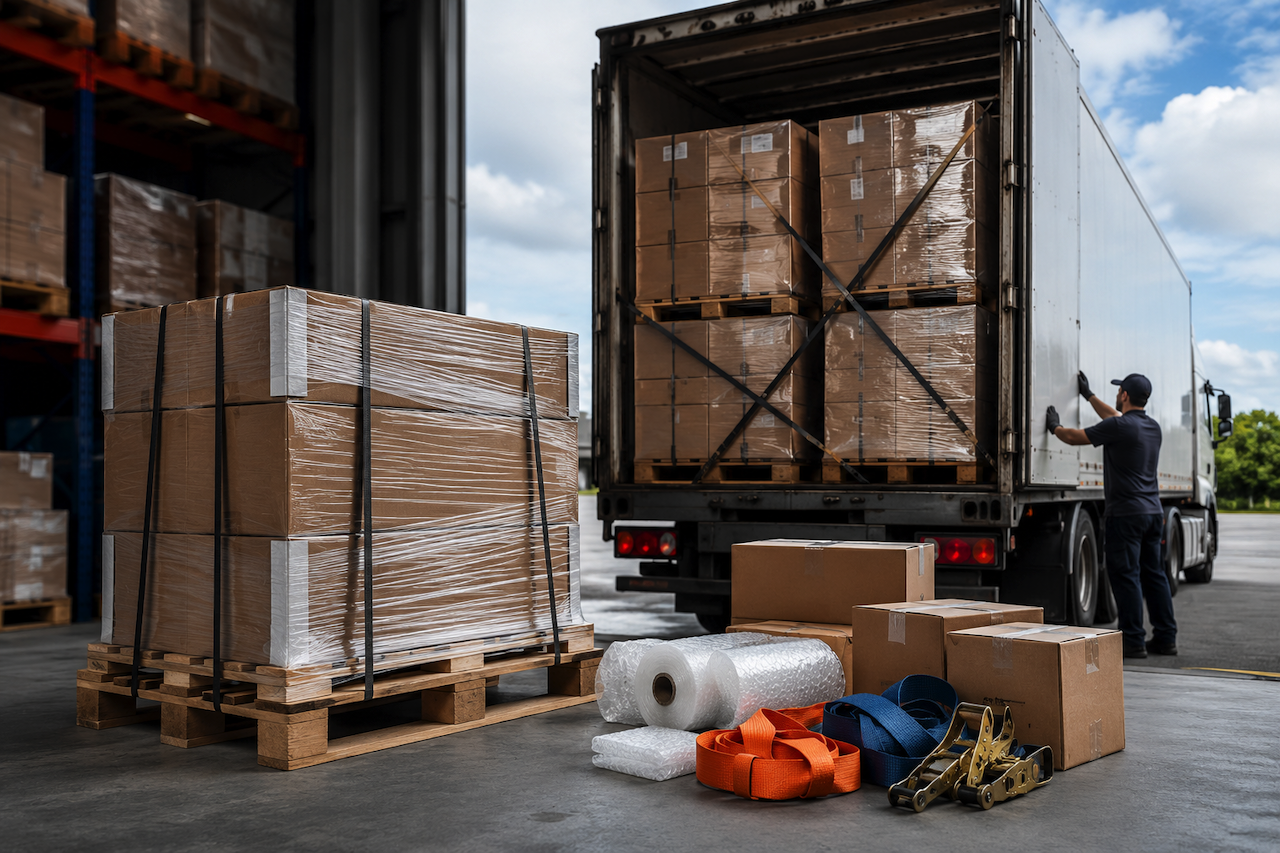
Reducing freight damage is not only a mainstay of saving money, but it is also important when it comes to your reputation as a business and how your clients view you. Here are a few of the best ways to reduce product damage when in transit.
Choose the Right Packaging
Packaging is right up there with having the right pallets and strapping tools. The packaging is the last line of defense for protecting your product, so you need to invest in it in the right ways.
Be sure that it is sturdy, properly sealed, stackable, and, most importantly, can take a bump or two and still protect the product inside. Boxes with reinforced corners and edges may also be a bit more expensive, but offer an extra layer of protection.
Securing the Load
Another crucial part of protecting your freight is securing it properly. While it may be obvious to secure it enough so that it doesn’t fall over, small shifts and changes in weight distribution can cause far more damage than you may think.
Because of this, using a combination of straps and plastic wrap can keep your boxes in place and prevent them from shifting during transport.
Balance the Weight
Speak of weight distribution, this is important for both your freight and the truck it is being transported in. If the weight of your freight is poorly distributed, your stacks can slide or topple, causing serious damage to your products.
Instead, keep the center of gravity of each pallet low to the ground to prevent the stacks from toppling. If they do need to be tall, secure them at both the bottom and the top.
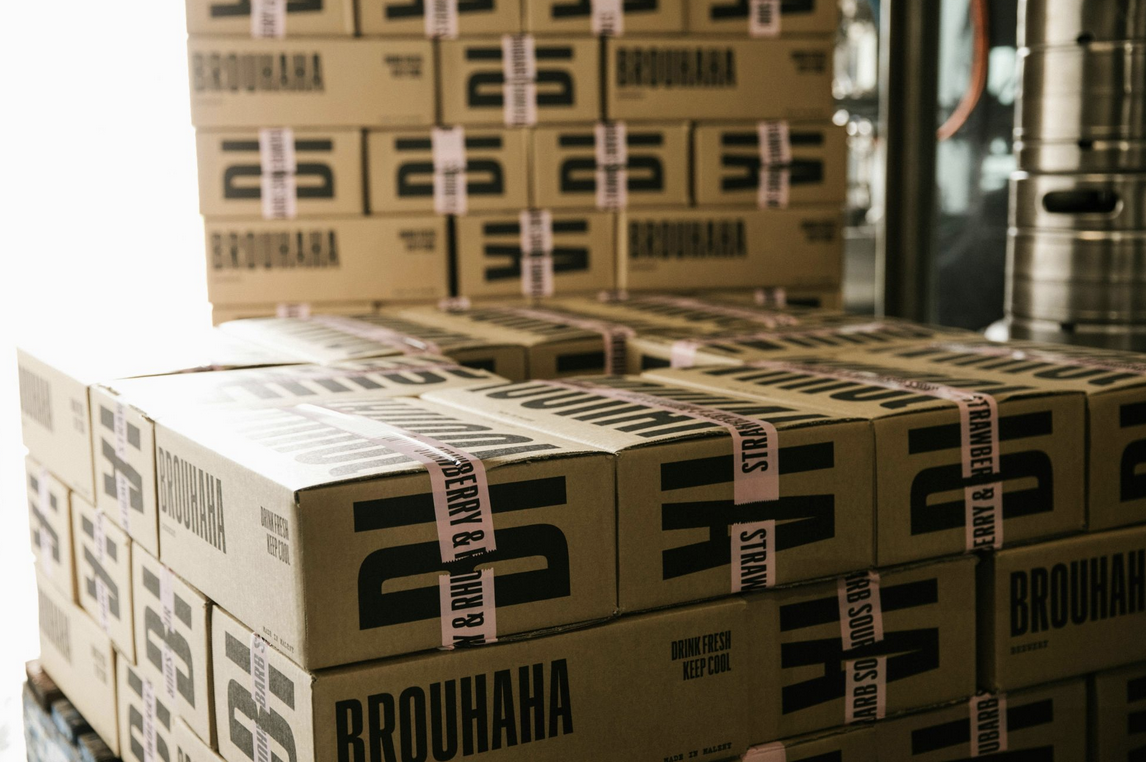
Image by Unsplash.
Efficient and Safe Truck Packing
How you pack your trucks is arguably more important than how you package your products. This is especially important for products or boxes that are unusually shaped or cannot be stacked regularly.
If this is the case, it is a must to use empty boxes, pallets, and packaging materials to fill any empty spaces. This helps keep freight secure, reduces shifting during transport, and improves overall load stability.
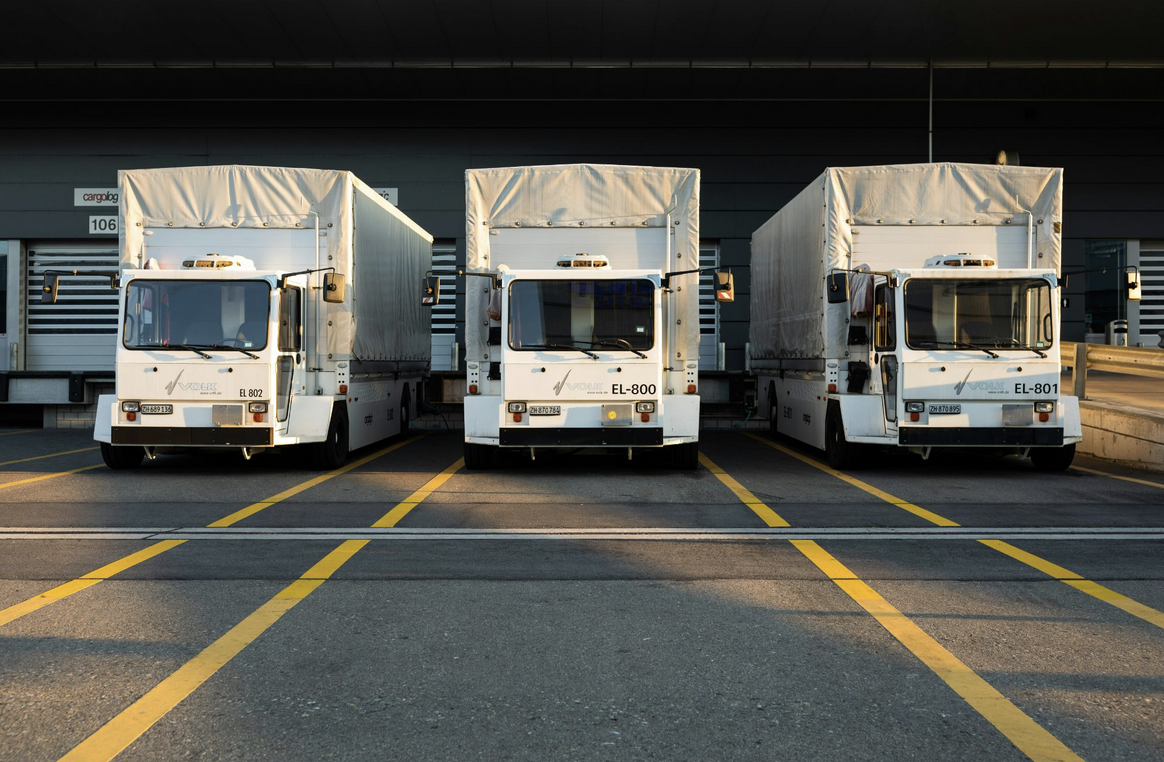
Image by Unsplash.
Use Space Fillers
Speaking of space fillers, these should be used both inside the product boxes and in the truck, if need be. Space fillers come in a range of shapes, sizes, and styles, such as bubble wrap, air pillows, foam, and similar materials.
The role of space fillers is obvious, but sometimes they are underutilized. In short, the cost of space fillers is almost negligible compared to the money you will save by not having to deal with returns due to product damage.
Proper Use of Labeling
Labeling is one of the secret weapons that should constantly be used. If you are using a third-party courier, labels can often serve as a complete list of instructions for transporting and moving your freight.
Labels that say “fragile,” “this side up,” or “do not stack” can often be the difference between your products being transported safely and not being transported safely.
Staff Training
Another step you can take is to improve staff training continually. Not everyone who works in your warehouse or in logistics will know the best way to move your products, especially when they first start working for you.
Instead, be sure to implement training to clarify expectations for everyone when transporting and moving boxes and products. This training can be quick and adapted to whatever you may be transporting.
Inspections
Regular inspections help ensure that packaging, loading, and freight-handling procedures are followed correctly. They also provide an opportunity to identify and correct issues before they result in damaged shipments.
There is no use in spending money on materials and the right shipping equipment if your loads aren’t packed or shipped correctly.

Image by Unsplash.
Reliable Carriers Matter
Reliable carriers play an important role in reducing freight damage during transit. While delivery speed and network coverage are important considerations, experienced drivers and well-established handling procedures can have a significant impact on shipment safety.
Drivers who understand the requirements of transporting different types of freight are better equipped to maintain load stability and minimize the risk of damage. Consistent handling practices throughout the transportation process help ensure products arrive in the same condition in which they were shipped.
Analyze Damage Reports
Finally, an extra step you can take is to analyze damage reports. One of the best ways to find out how and why your products are getting damaged in transit is to read reports and identify your weak spots.
This should also be a regular practice, especially if you change couriers, start shipping different products, or start shipping internationally.
Conclusion
Reducing freight damage requires a combination of proper packaging, secure loading practices, staff training, regular inspections, and reliable transportation processes. While no shipping operation can eliminate every risk, implementing these best practices can significantly reduce product damage, lower costs, improve customer satisfaction, and protect your business reputation. Consistently reviewing shipping procedures and analyzing damage reports can also help identify opportunities for continuous improvement.
Featured Image generated by ChatGPT.
Share this post
Leave a comment
All comments are moderated. Spammy and bot submitted comments are deleted. Please submit the comments that are helpful to others, and we'll approve your comments. A comment that includes outbound link will only be approved if the content is relevant to the topic, and has some value to our readers.
Comments (0)
No comment