
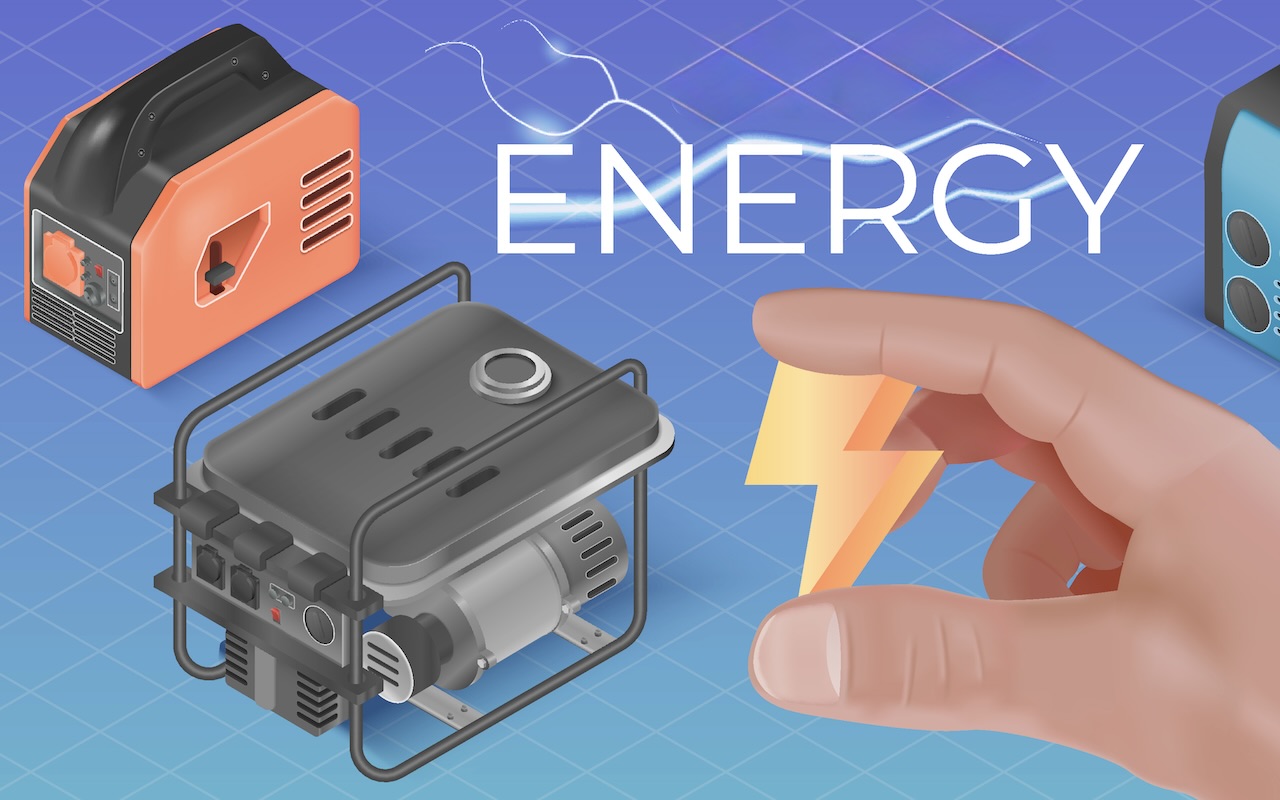
When the power blinks out, most households reach for one of two options: a battery you can use indoors or a combustion engine that must stay outside. A portable power station trades fuel, fumes, and noise for clean electricity, while a gas generator offers continuous run time as long as you keep refilling. This guide compares the two by safety, noise, power, refueling, total cost, everyday convenience, and practical hybrid strategies so you can choose confidently for home backup, camping, or van life.
What Each Device Actually Is
A battery-powered unit integrates a high-capacity rechargeable pack, inverter, charge controller, and multiple outlets in a single box. It provides AC power for appliances and DC/USB for electronics, and it’s designed for indoor use. A fuel generator uses a small engine to spin an alternator and must run outdoors with strict exhaust clearance, proper grounding, and safe fuel handling.
Safety and Where You Can Use It
Indoor safety is the defining difference. Battery systems have no exhaust and no gasoline on the floor, so you can place one in a hallway, living room, or home office and run short cords to essential devices. Generators must sit outside, far from windows, doors, and vents, to avoid carbon monoxide. If you live in an apartment or upper-floor condo, storing and operating a generator during storms can be difficult or impossible, while a battery rides out weather quietly indoors.
Noise: Nighttime Reality
Battery units are quiet at modest loads, often below normal conversation. A refrigerator can cycle at night without waking the household. Generators are much louder, especially as the engine revs to maintain output. Campgrounds and neighborhoods often restrict generator hours; a battery sidesteps those rules while still powering lights, Wi‑Fi, and small appliances through quiet hours.
Power and Surge
Generators deliver long, steady power and commonly offer 240 V outputs for large tools and appliances. Many battery setups comfortably run common 120 V household devices and can handle brief startup surges from compressors and motors; some configurations also support split‑phase (120/240 V) for heavier circuits. Whichever path you choose, confirm continuous output covers your simultaneous loads and that surge capability is sufficient to start motor-driven devices.
Runtime and Refueling
This is the big fork in the road.
- Battery: Runtime is finite, determined by watt‑hours (Wh). You extend it by trimming loads or recharging from the wall, solar, or a vehicle. For multi‑day outages, a simple pattern, solar by day, opportunistic wall top‑ups when utility power flickers back, keeps essential loads alive without noise.
- Generator: Runtime is limited by fuel. If you store gasoline safely in approved cans, you can run heavy appliances for long stretches. The trade‑offs are noise, fumes, and engine maintenance.
Total Cost of Ownership
A battery’s cost is mostly upfront; operating costs are minimal. There’s no oil to change, no spark plug, and no carburetor to clean after winter storage. A generator’s sticker price per watt may be lower, but fuel adds up, especially during heat waves when it runs many hours per day. Add time and parts for oil changes, air filters, and stabilizer for stored gasoline.
Everyday Convenience
Batteries shine in daily life: desk‑side UPS for work, quiet camping power, and on‑the‑road charging for cameras and laptops. The same unit can serve home backup and weekend adventures without fumes in the car. Generators excel at continuous heavy work—job sites, large HVAC for long periods, or running power‑hungry tools when silence isn’t required.
Environmental and Local Rules
Some communities restrict generator use due to noise and emissions. Batteries avoid those limits and pair naturally with solar input when the grid is down or fuel is scarce.
A Practical Hybrid Strategy
Many households combine the two. The battery provides quiet, indoor power for 90% of needs—refrigerator, lighting, Wi‑Fi, medical devices—while a small outdoor generator occasionally refuels the battery during long storms. You get the comfort of silence most of the time with the staying power of fuel when necessary.
How to Decide
- Apartment/condo or strict HOA? Battery first.
- Need long 240 V heavy loads? Generator or a split-phase battery configuration.
- Sensitive to noise and fumes, want indoor UPS and solar? Battery.
- Chasing lowest upfront dollars per watt with occasional use? Generator—with strict outdoor safety.
Bottom Line
Choose based on where you live and what you must run. For quiet essentials, an indoor battery is the simplest answer. For long, heavy loads, a generator still rules—ideally as part of a hybrid plan where the battery handles everyday life and the engine only wakes when truly necessary.
Featured Image by Freepik.
Share this post
Leave a comment
All comments are moderated. Spammy and bot submitted comments are deleted. Please submit the comments that are helpful to others, and we'll approve your comments. A comment that includes outbound link will only be approved if the content is relevant to the topic, and has some value to our readers.
Comments (0)
No comment