

Odoo Customization: Turning ERP into a Perfect Fit for Your Business
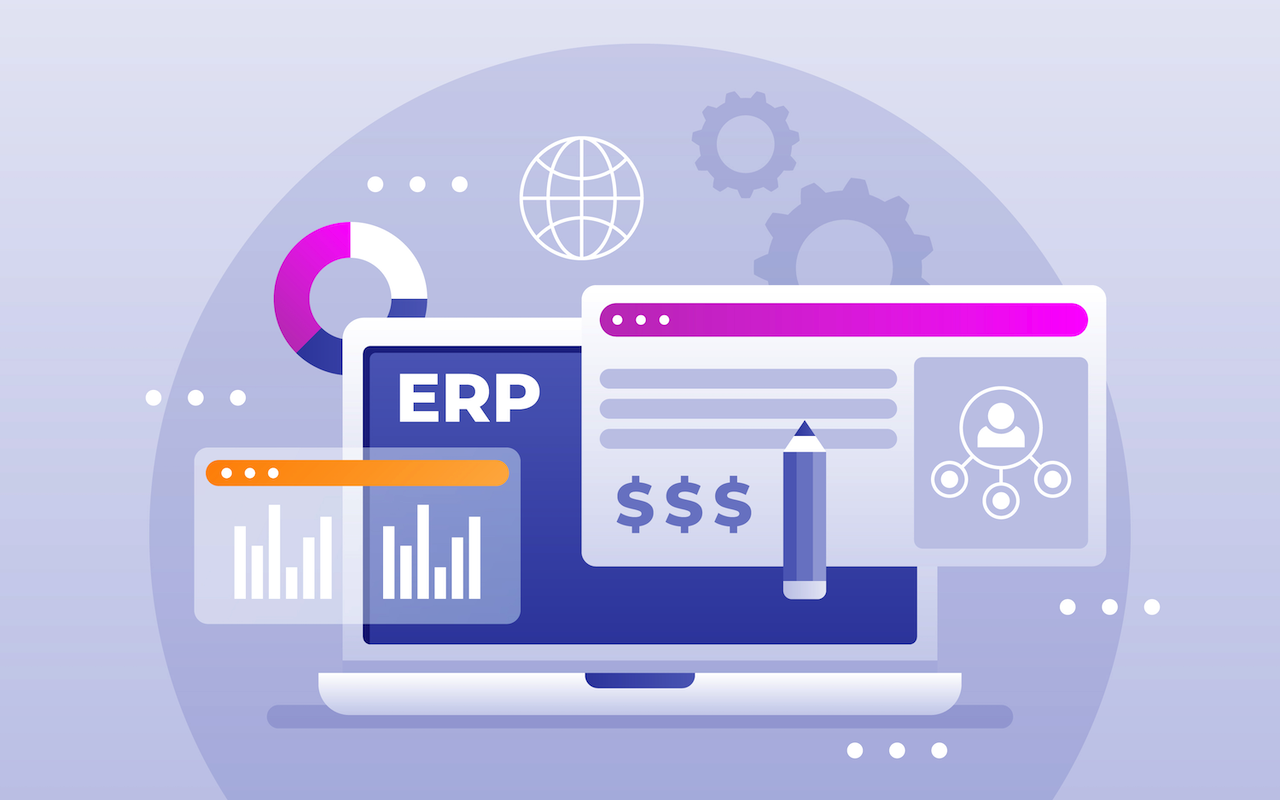
Every growing company eventually faces the same challenge—too many disconnected tools. One system for sales, another for inventory, yet another for accounting. They don’t communicate, and you lose time and data along the way.
That’s where Odoo steps in.
Odoo is an open-source ERP platform that brings every part of your business, such as sales, HR, finance, marketing, inventory, CRM, into one ecosystem. But as powerful as Odoo is, no business is identical to another. Each company has its own workflows, pricing models, approval chains, and reporting needs.
This is where Odoo customization makes the difference, allowing organizations to adapt the platform so it feels like it was built specifically for them.
What Is Odoo Customization?
Think of Odoo as a toolbox with hundreds of modules—CRM, accounting, manufacturing, HR, and more. The challenge is choosing the right tools and shaping them to fit your business.
Odoo customization involves tailoring, extending, or developing Odoo modules so that they align perfectly with how your team works. This may include:
- User Interface and UX Adjustments: Refining dashboards, menus, and forms for better usability.
- Module Customization: Enhancing standard modules to reflect unique business rules.
- New Module Creation: Building capabilities that aren’t available out of the box.
- Integrations: Connecting Odoo with CRMs, e-commerce platforms, or third-party APIs.
- Workflow Automation: Replacing manual steps with intelligent triggers and approvals.
- Performance Tuning: Improving system speed and reliability for large-scale operations.
When executed effectively, customization transforms Odoo from a generic ERP into a platform designed for your exact business structure—efficient, simple, and ready to scale.
Why Customizing Odoo Matters
Many organizations begin with Odoo’s standard modules but soon realize that their unique processes require more flexibility. Customization ensures the ERP aligns perfectly with your operations instead of forcing your business to adapt to the software.
| Benefit | Description |
|---|---|
| Perfect Fit | Workflows and forms reflect your real-world processes |
| Scalability | Additional features or modules can be added as you grow |
| Efficiency | Automated steps reduce manual effort and errors |
| Accurate Data | Integrated systems maintain clean, synchronized data |
| User Adoption | Teams embrace the ERP faster when it fits their workflow |
A well-customized Odoo environment becomes more than just software; it’s a foundation for continuous improvement and sustainable growth.
The Odoo Customization Journey
Odoo customization is an iterative process that blends technical development with strategic planning. A typical approach includes:
- Business Analysis: Understanding goals, workflows, and current pain points.
- Gap Identification: Mapping what exists versus what’s needed.
- Design and Development: Modifying modules or creating new features.
- Integration: Connecting Odoo to other tools like CRMs, marketplaces, or supply chains.
- Testing and Quality Assurance: Ensuring performance, security, and stability.
- Deployment and Training: Rolling out the solution and onboarding users.
- Continuous Improvement: Refining workflows and adding new capabilities over time.
Example: From Chaos to Clarity
A mid-sized manufacturer once relied on spreadsheets for sales, separate software for inventory, and manual accounting. Disconnected systems slowed production and created data silos.
After customizing Odoo, the company gained:
- A unified dashboard displaying live production status
- Automated purchase order triggers based on stock levels
- Real-time accounting and inventory synchronization
Within three months, reporting time was cut in half, and efficiency rose significantly, proving how customized ERP workflows can simplify complexity.
Key Areas Where Odoo Customization Delivers Value
- Sales and CRM: Custom dashboards, automatic follow-ups, and pipeline analytics.
- Manufacturing and Inventory: IoT integration, predictive restocking, and barcode tracking.
- Accounting and Finance: Localized tax handling, automated invoicing, and compliance reports.
- E-commerce: Synchronization with Shopify, WooCommerce, or Magento.
- HR and Payroll: Automated attendance, regional compliance, and payroll customization.
- Reporting and BI: Tailored dashboards for real-time KPIs and forecasting.
Customization vs. Off-the-Shelf ERP
| Feature | Standard ERP | Customized Odoo |
|---|---|---|
| Flexibility | Fixed workflows | Fully adaptable |
| Integration | Limited | Seamless via APIs |
| User Experience | Generic | Tailored to teams |
| Cost Efficiency | Expensive upgrades | Modular scalability |
| Control | Vendor-locked | Full ownership |
Emerging Trends in Odoo Customization
- AI-powered automation for smarter forecasting and scheduling
- Mobile-first ERP designs for on-the-go accessibility
- IoT integration for live machine and inventory monitoring
- Cloud scalability for global collaboration
- Advanced analytics for data-driven decision-making
Odoo’s modular framework ensures that businesses can evolve with these innovations, adding features as new needs emerge.
Common Customization Pitfalls
- Over-Customization: Too many changes can complicate upgrades.
- Weak Documentation: Makes future maintenance difficult.
- Version Incompatibility: Updates may affect custom code.
- Unclear Requirements: Leads to delays or misaligned outcomes.
Success depends on thoughtful planning, clear documentation, and regular testing to maintain long-term stability.
Final Thoughts
Odoo’s greatest strength lies in its flexibility, and that flexibility shines brightest through thoughtful customization. With the help of Odoo ERP customization services, you can align the platform with your organization’s structure, workflows, and goals, transforming it into a truly strategic asset.
Rather than forcing your business to adapt to rigid software, Odoo customization empowers you to build an ERP that fits—a system that evolves, scales, and grows with your success.
Featured Image by Freepik.
Related Articles

September 22, 2025
How Salesforce Customization Enhances Data Security and CRM Integrity
Customer and operational data sits at the center of revenue planning, customer service, and compliance. When attackers get in, remediation drains budgets and leadership confide...
Read More
May 26, 2025
Custom ERP Development: A Streamlining Business Efficiency
In these days’ aggressive industrial corporation surroundings, performance, integration, and scalability are more important than ever. As groups try to optimize operations, lessen...
Read More
May 21, 2025
Why Custom ERP Development is the Smarter Move for Future-Ready Enterprises
Enterprise Resource Planning (ERP) software is the backbone of any modern, growing business. Yet, despite the abundance of off-the-shelf ERP systems, more and more companies are re...
Read More
Comments
Comments are available to signed-in users and are moderated to keep the discussion useful and respectful. Spam, automated submissions, and low-value promotional comments are removed. Outbound links may be approved when they are relevant and genuinely helpful to readers, but they are displayed as plain text rather than clickable hyperlinks.
No comments have been published yet.
Please sign in to submit a comment.