
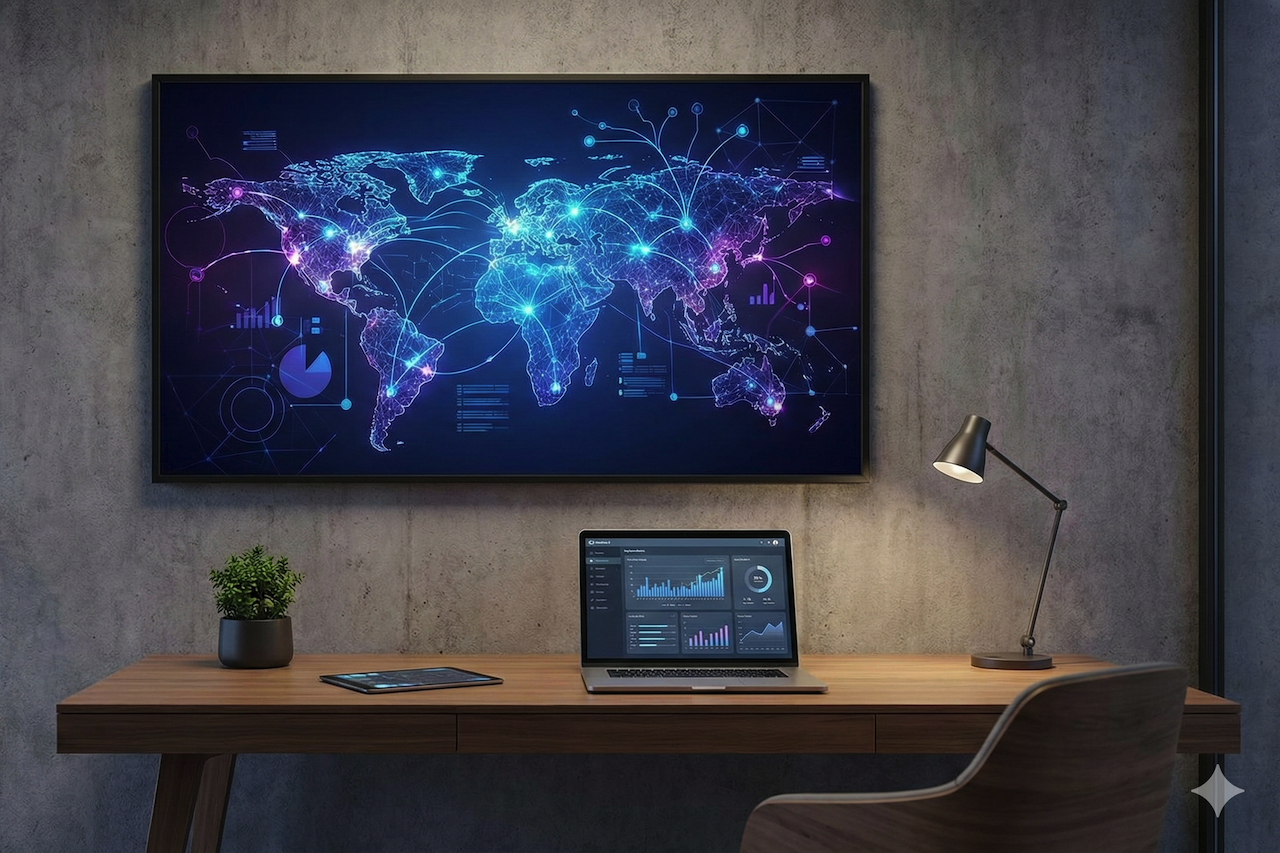
Wall art has become a popular way to merge artistic expression with functional interior design, especially in tech-driven environments where digital concepts influence physical spaces. For platforms and audiences focused on themes such as IP tracking, digital mapping, and global connectivity, modern visual décor can represent data, geography, and networked experiences in a creative format. Whether used in home offices, tech startups, or analytics workspaces, thoughtfully selected artwork can communicate innovation while enhancing aesthetics. It bridges the gap between design and technology, turning abstract digital ideas into visually engaging environments that inspire curiosity and professionalism.
The Growing Appeal of Modern Wall Art in Tech-Inspired Interiors
As more people work in digital industries or manage online platforms, the desire to reflect that lifestyle within physical surroundings has increased. Wall art—including canvas prints, framed designs, and digital displays—provides an elegant way to showcase themes such as world maps, network grids, geolocation points, and futuristic digital patterns. These visuals align naturally with environments where data flow, online presence, and global reach are central ideas. A well-placed world map, abstract connection design, or coordinated gallery wall can subtly reinforce a brand’s global perspective while keeping the space visually modern and cohesive.
Connecting Visual Decor with Digital Identity
In today’s connected world, digital identity is just as important as physical branding. Interior design can symbolize this intersection by incorporating imagery related to IP mapping, internet pathways, or geographic diversity. For instance, global-themed artwork or map-based visuals can represent audience reach or infrastructure distribution in a tech company’s office. At home, these design choices can reflect a remote worker’s international collaborations and online presence. By visually aligning décor with digital concepts, spaces feel more personalized and relevant to the modern online ecosystem.
Choosing Artwork That Reflects Global Themes
When selecting wall décor for a technology-focused environment, consider themes that emphasize connectivity and exploration. World maps, satellite imagery, and coordinate-based designs are excellent choices because they resonate with the idea of tracking locations and understanding digital traffic flows. Minimalist black-and-white visuals create a sleek, professional look, while colorful abstract geography designs add vibrancy and creativity. Matching these elements with neutral furniture and contemporary lighting enhances the technological aesthetic without overwhelming the space.
Integrating Data Visualization Concepts into Interior Design
Design inspired by data visualization can be both decorative and meaningful. Visual elements such as nodes, lines, and network pathways mimic the structure of internet connections, making them particularly suitable for analytics-focused environments. These visuals can symbolize the movement of data across global systems or the interconnected nature of users and platforms. In offices dealing with cybersecurity, geolocation, or digital intelligence, such design reinforces purpose and aligns the workspace with organizational goals.
Enhancing Brand Storytelling Through Visual Design
For digital platforms and analytics services, physical office environments can reinforce brand storytelling. Artwork and visual décor can represent a company’s mission, such as connecting users worldwide, providing accurate insights, or improving digital security awareness. For example, a series of coordinated panels showing different continents can symbolize global reach and data coverage. This type of storytelling through design creates a cohesive brand experience that extends beyond digital interfaces into real-world environments.
Balancing Minimalism and Innovation in Modern Decor
Minimalist design is often associated with technology brands because it reflects clarity, efficiency, and focus. Artwork that follows minimalist principles—simple color palettes, clean typography, and structured layouts—fits naturally into modern tech-inspired interiors. At the same time, innovation can be expressed through futuristic patterns, glowing network motifs, or abstract digital landscapes. Balancing minimalism with forward-thinking design ensures the space remains visually appealing while communicating progress and creativity.
Placement Strategies for Maximum Impact
Strategic placement of visual décor can significantly influence how a room is perceived. In offices, placing a large global-themed artwork behind a reception desk establishes a professional first impression and communicates international reach. In workstations or conference rooms, smaller coordinated pieces can create a gallery effect that maintains visual consistency. At home, positioning artwork above desks or shelving units helps define the workspace while reinforcing its connection to productivity and global engagement.
Using Color Psychology in Tech-Themed Interiors
Color plays a vital role in reinforcing the intended mood of a space. Blue tones often symbolize trust, intelligence, and technological reliability, making them ideal for offices focused on data, analytics, or digital services. Green accents can represent growth and innovation, while monochrome palettes create a sophisticated and focused atmosphere. Choosing the right color palette ensures the environment aligns with both emotional tone and professional objectives.
Adapting Interior Design for Evolving Digital Trends
The digital world evolves rapidly, and interior design can reflect these changes through adaptable visual themes. As new technologies emerge or companies expand their global presence, updated global imagery or refreshed data-inspired visuals can keep interiors relevant. Modular wall art systems and interchangeable frames make it easy to update design without redesigning the entire space. This adaptability ensures the environment remains aligned with current trends and organizational growth.
Conclusion
Modern wall art offers a powerful opportunity to blend visual elegance with themes of global connectivity and digital innovation. For audiences and organizations focused on geolocation insights, network intelligence, and worldwide engagement, thoughtful interior design can extend these ideas into physical environments. By incorporating global imagery, data visualization, and interconnected design concepts, both home offices and professional workspaces can reflect the realities of today’s digital ecosystem. As interest in personalized and technology-driven interiors continues to grow, customizable platforms such as Wall Pics are helping individuals and organizations translate digital concepts into visually engaging décor that supports both aesthetics and brand storytelling.
 FAQs
FAQs
Modern wall art can visually represent digital concepts such as global networks, geolocation mapping, and data flow. This makes it ideal for environments centered on technology, analytics, and innovation while also enhancing the overall aesthetic of the space.
Global maps, coordinate-based designs, abstract network patterns, satellite imagery, and data visualization concepts are strong choices. These themes align naturally with ideas related to connectivity, digital infrastructure, and global reach.
Yes, thoughtfully selected artwork can reinforce brand identity by visually communicating a company’s global perspective, mission, and technological focus within office or workspace environments.
Artwork should be positioned above desks, behind workstations, or near focal areas to create visual structure and motivation while maintaining a professional and cohesive environment.
Minimalist visuals with clean layouts, neutral palettes, and structured compositions are highly suitable. They reflect clarity, efficiency, and modern innovation—qualities commonly associated with technology and digital industries.
Featured Image generated by Google Gemini.
Share this post
Leave a comment
All comments are moderated. Spammy and bot submitted comments are deleted. Please submit the comments that are helpful to others, and we'll approve your comments. A comment that includes outbound link will only be approved if the content is relevant to the topic, and has some value to our readers.
Comments (0)
No comment