
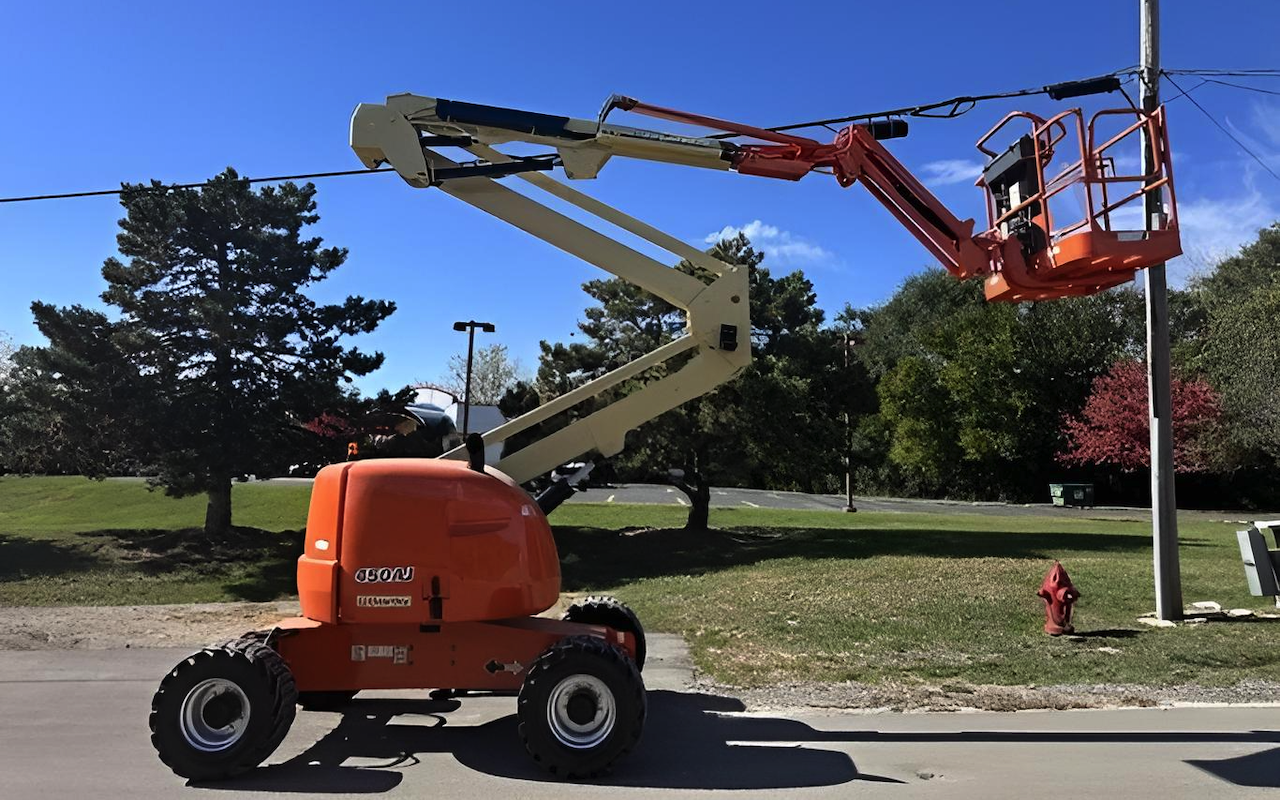
Across construction and industrial sectors, companies are constantly looking for ways to boost productivity, cut costs, and maximize operational uptime. One major piece of that puzzle is having reliable material handling equipment on site, from forklifts to boom lifts and scissor lifts, that can move, lift, and position heavy loads safely and efficiently. As project timelines tighten and budgets remain under pressure, businesses increasingly look for dependable sources that provide access to the right equipment when they need it most.
In regions like Chicago and throughout the Midwest, companies routinely seek out ways to compare lift equipment options, evaluate inventory availability, and make informed purchasing decisions, especially when balancing performance requirements with cost considerations. Dealers such as ATP Equipment Exchange Inc. and marketplaces play an important role in this process by providing visibility into different makes, models, and capabilities, enabling contractors and facility managers to select machines aligned with job-specific needs rather than relying on one-size-fits-all solutions.
Meeting the Demand for Versatility and Reliability
Material handling needs on construction sites or industrial facilities can vary dramatically from project to project. Some jobs require heavy lifting in tight spaces, others call for high-reach access platforms, and still others revolve around transporting pallets and equipment across large warehouse floors. Dealers who understand these varied demands play a key role in helping customers maintain productivity without overspending.
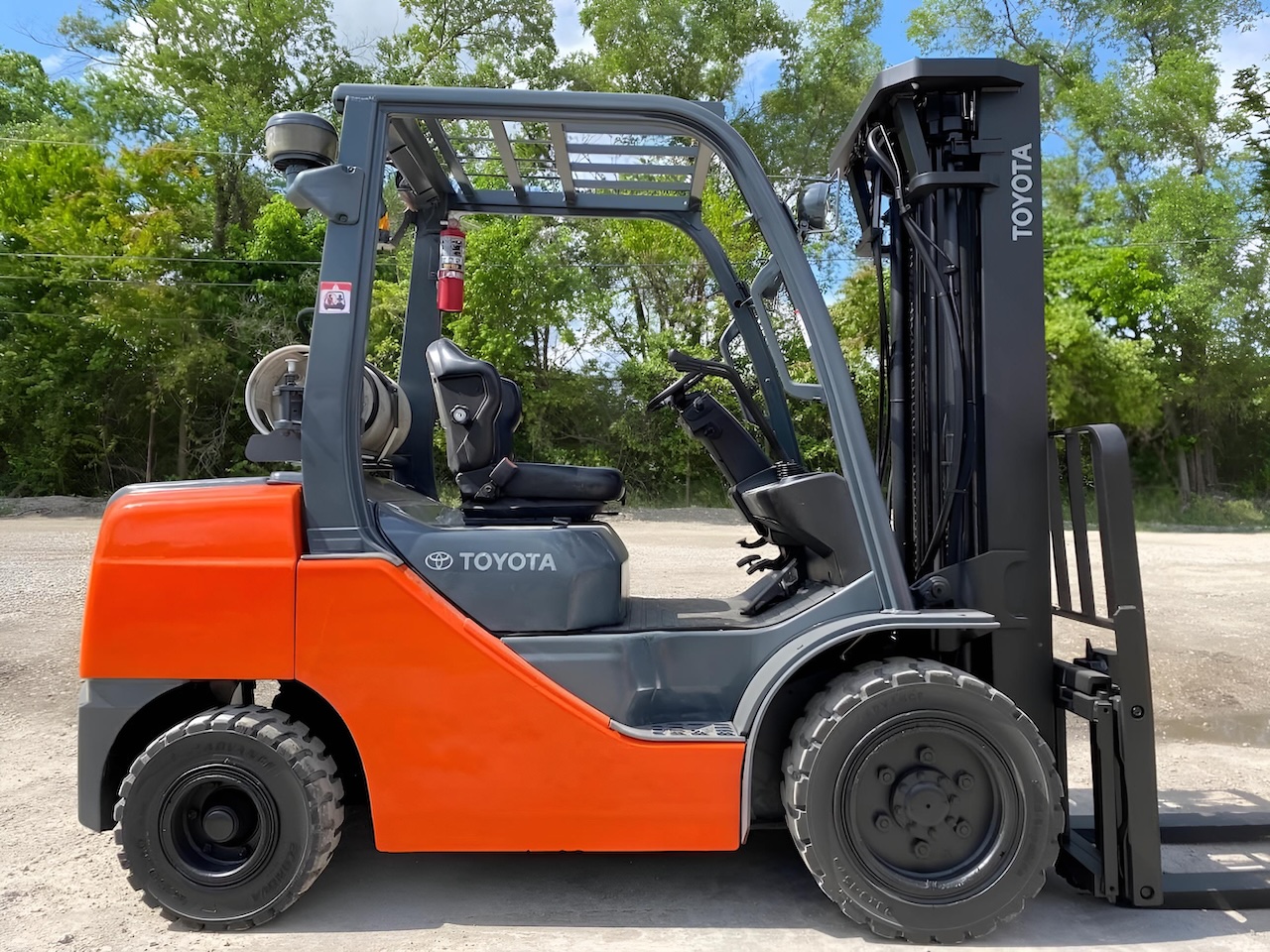
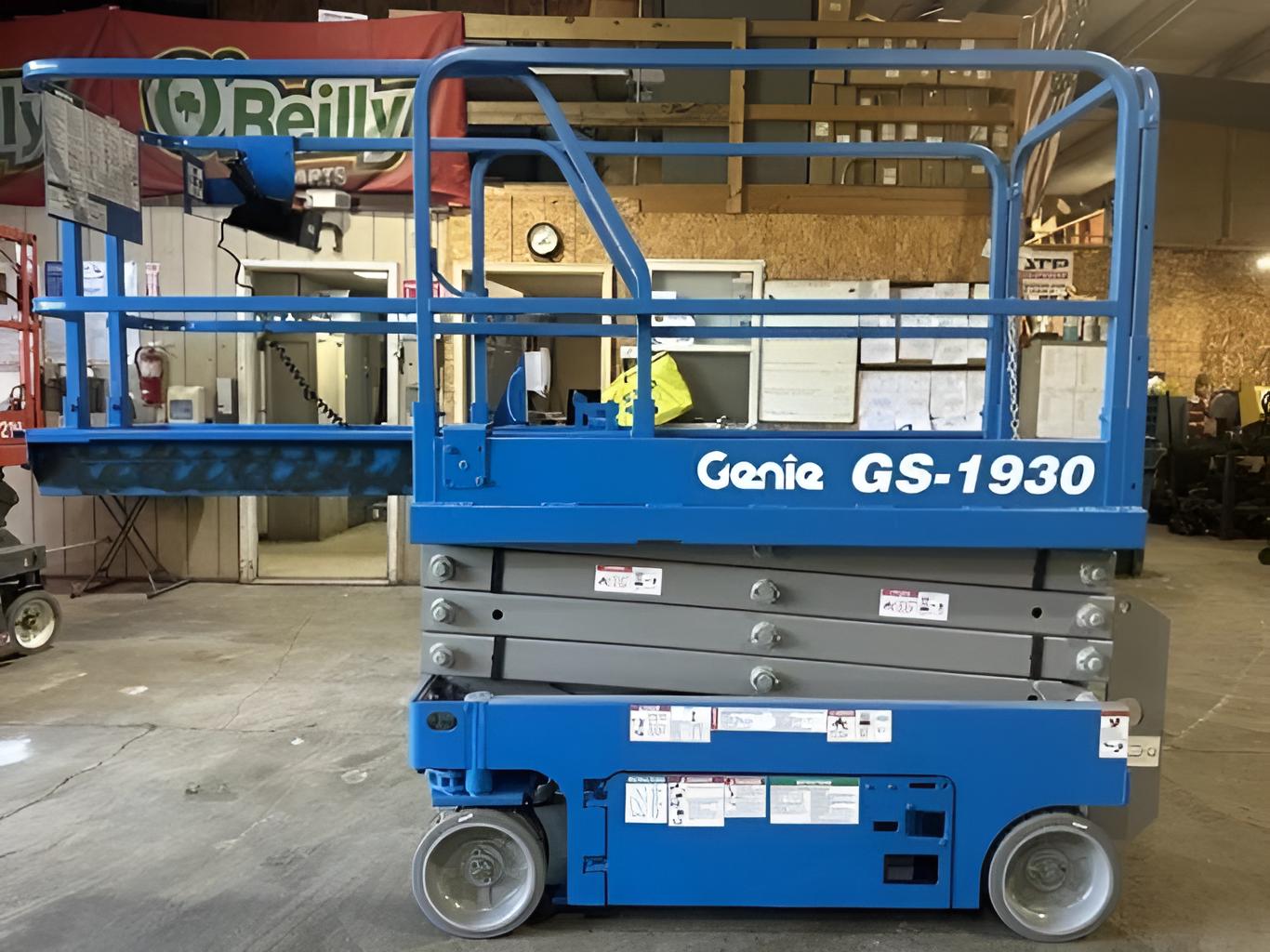
Businesses looking to compare lift platforms often review offerings that include scissor lifts and boom lifts suited for elevated tasks, along with forklifts and mast trucks designed for everyday material movement. The diversity of equipment types supports work across construction sites, warehouses, industrial facilities, and maintenance operations, where each job demands specific reach, capacity, and maneuverability features.
Supporting Better Equipment Decisions Through Information
Choosing the right lift or forklift is not just a matter of price, decision-makers also weigh maintenance considerations, safety requirements, and expected service life. As a result, companies increasingly rely on detailed equipment listings, condition reports, and expert insight to evaluate whether a machine will meet operational goals over the long term. Clear information helps reduce downtime and unexpected costs by aligning purchases with the realities of daily use.
Whether the priority is securing a versatile scissor lift for interior finishing or a heavy-duty forklift for outdoor handling, access to accurate equipment details makes it easier to compare options and plan for lifecycle needs, including service, replacement parts, and long-term utilization.
Accessing the Right Equipment Efficiently
Beyond selecting the right machine, companies also need streamlined ways to locate and acquire equipment quickly. Online inventory databases and searchable listings allow teams to narrow down choices before arranging transportation or scheduling delivery—an approach that helps maintain project momentum when deadlines and staffing are tight. Filtering by capacity, height, fuel type, or application reduces time spent searching and supports more strategic planning around equipment deployment and logistics.
Reviewing listings in advance also enables organizations to coordinate internal resources, assess site constraints, and prepare staging areas—key factors in minimizing disruption and ensuring the equipment is productive as soon as it arrives.
Conclusion
As 2026 unfolds, the construction and industrial sectors continue to focus on productivity, safety, and cost-effective operations. Material handling equipment remains central to that focus, and the support ecosystem around equipment dealers plays an essential role in helping project teams achieve their goals.
For those comparing different types of lifts or seeking equipment that matches specific applications, resources such as extensive inventory of lifts and forklifts can serve as a starting point for evaluating availability and narrowing down options before making a final decision.
Images supplied by ATP Equipment Exchange, Inc.
Share this post
Author

Leave a comment
All comments are moderated. Spammy and bot submitted comments are deleted. Please submit the comments that are helpful to others, and we'll approve your comments. A comment that includes outbound link will only be approved if the content is relevant to the topic, and has some value to our readers.
Comments (0)
No comment