
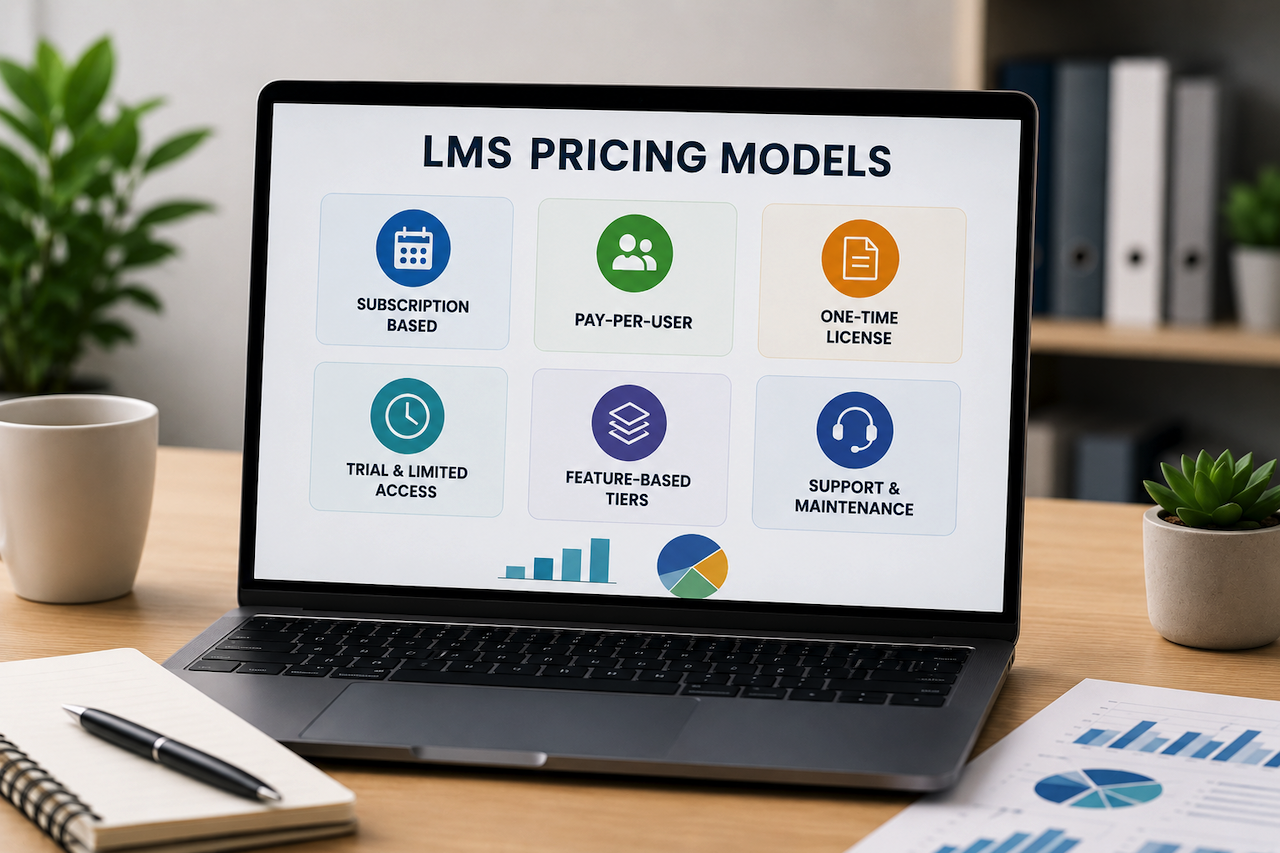
Choosing a learning management system is always difficult, especially when costs are a factor. Familiarity with the most popular pricing models helps users in their purchasing decisions. In this post, you will find a clear comparison of typical LMS pricing plans with expectations and basic features. LMS pricing often differs more than most buyers expect. This variance is what makes comparison important before choosing a platform.
Subscription-Based Pricing
Most providers offer monthly or yearly subscription plans. These plans usually include access to core features, updates, and support. Subscription-based pricing is often ideal for organizations that value predictable expenses over time. Steady costs can also make budgeting easier for administrators. Pricing is typically influenced by factors such as the number of users, storage capacity, and included features. LearnDash LMS pricing, for example, is structured around different tiers based on functionality and site usage.
Pay-Per-User Structure
Many learning management systems adopt a pay-per-user model. Organizations are charged a flat fee per registered learner. It makes this approach a plus for smaller cohorts or for an organization with varying training needs. Costs are based on consumption, so costs align with the number of people involved. By monitoring active accounts, administrators can limit spending.
One-Time License Fee
Few providers provide a one-time license for permanent access. This model is appealing to people who want to pay up front rather than make ongoing payments. Organizations receive updates for free or basic support for some time after purchase. Recurring fees are required if you plan to upgrade in the future or require advanced support. This type of pricing mechanism works best for larger institutions with relatively stable training demands and predictable expansion.
Trial and Limited Access Options
No LMS can be said to offer a free service, but several LMSs offer free trials or a free version. Organizations can explore features with free trials before they leap. The basic plans generally have some restrictions on the number of features and users. As you grow, you will need to upgrade. These options allow small groups to try to decide whether a platform meets their needs.
Feature-Based Tiers
Prices are typically based on what features are included. Basic tools that you might need to create a course and manage users are included in the entry-level plans. Higher tiers offer more sophisticated reporting, integrations, and branding features. This framework allows organizations to choose plans based on their objectives and their budget. This upgrade enables more functionality aligned with the organization's training needs.
Support and Maintenance Fees
Support is one of the biggest factors in LMS pricing. With some providers, support is included in the plan, while others stipulate that you may receive basic assistance and everything else will be charged separately. Maintenance costs may take the form of technical support, software updates, and security patches. Product support around them is also a key differentiator. Higher-end packages often include priority support and a dedicated account manager.
Customization and Integration Costs
Most organizations need it tailored to their specific needs. Customization fees will cover areas such as branding, workflows, or specialized reports. Connecting to external systems, such as HR software, may also mean added costs. Being aware of these potential expenses forestalls surprises amid setup. Most providers offer simple customizations in their premium packages, but will charge extra for more complex changes.
Scalability and Long-Term Considerations
Pricing decisions for an LMS are also influenced by growth and scalability. It explains why some systems are naturally appropriate for expansion, while others require renegotiation, and others need plan amendments. They enable you to be cost-effective by planning for future demands, such as more users or higher-level features. Long-term value, when talking about upgrade paths and renewal terms, makes for a better investment.
To Sum Up
Learning management systems pricing plans require close attention. Subscription, pay-per-user, once-off licensing, and feature-based tiers each have their advantages and disadvantages. Exploration is permitted via free trials and basic versions, but limitations often restrict creativity, full functionality, or support. Considering needs for support, customization, and scalability allows organizations to prepare. Taking time to compare options can lead teams to choose a system that meets both current and future needs.
Featured Image generated by ChatGPT.
Share this post
Leave a comment
All comments are moderated. Spammy and bot submitted comments are deleted. Please submit the comments that are helpful to others, and we'll approve your comments. A comment that includes outbound link will only be approved if the content is relevant to the topic, and has some value to our readers.
Comments (0)
No comment