
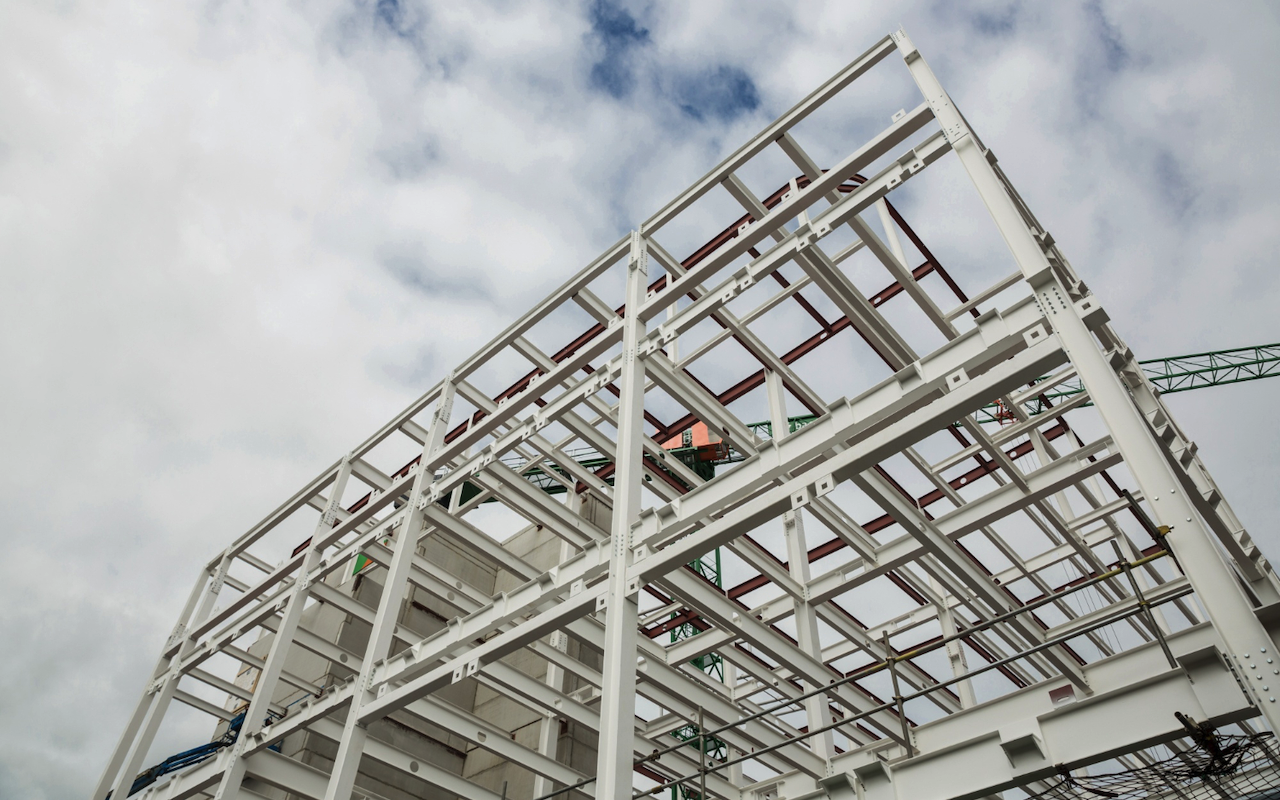
What is Light Steel Frame Technology System?
Light steel frame technology is a construction method that uses cold-formed steel components to build structures. This system is becoming popular due to its durability, flexibility, and efficiency. It replaces traditional materials like wood and concrete, making construction faster and often more cost-effective.
Defining Light Steel Frame and Light Gauge Steel Framing
Light steel framing is a building technique that involves using lightweight, cold-formed steel sections. These sections serve as the primary structural framework. Light gauge steel framing (LGSF) is a type of light steel framing that uses thin-walled sections, designed to be strong yet easy to handle.
Key Terminology:
- Light Steel Frame: A structural framework made from lightweight steel.
- Light Gauge Steel Framing: Thin steel sections that provide structural support.
By using steel, this method offers better resistance to pests and weather, compared to traditional materials.
Construction Industry Adoption and Modern Applications
The adoption of light steel frame technology in the construction industry is growing. It's widely used in residential, commercial, and industrial projects. You will find light steel framing in various applications, from simple houses to complex commercial buildings.
Benefits of Light Steel Frame Adoption:
- Speed of Construction: Faster assembly compared to traditional methods.
- Sustainability: Less waste and recyclable materials are often used.
- Design Flexibility: Allows for creative and modern architectural designs.
Many builders appreciate its reliability and efficiency, making it a favored choice for modern construction.
Key Components: Frames, Joists, and Trusses
Understanding the main components of light steel framing is essential. The structure typically consists of frames, joists, and trusses, all made from cold-formed steel.
- Frames: Frame members support walls and roofs, offering stability.
- Joists: These are horizontal supports that hold floors or ceilings.
- Trusses: They provide additional support, especially for larger spans.
Each component plays a critical role in the overall strength of the building. Using these parts together enhances the performance and durability of structures built with light steel frame technology.
How Light Steel Frame Systems Work
Light steel frame systems use modern technology and materials to create efficient and strong building structures. The methods involved include cold-formed steel fabrication, digital design integration, and prefabrication techniques.
Cold-Formed Steel Fabrication Process
Cold-formed steel (CFS) is a popular choice for light steel frame construction. It is made by shaping steel sheets at room temperature. This process enhances strength without adding weight.
You can find CFS in various shapes like studs, tracks, and channels. These components serve as the framework for walls, floors, and roofs.
The fabrication process ensures accuracy by using advanced machinery. The steel is cut and shaped to precise specifications, making it suitable for modular construction. This means you can assemble buildings quickly and efficiently.
Digital Design and CAD Integration
Digital design tools play a crucial role in light steel frame systems. Computer-Aided Design (CAD) software allows you to create detailed plans for your project. It increases accuracy and reduces errors.
With CAD, engineers can visualize how the building will look and function. You can quickly make changes and see how they affect the overall design. This saves time and money during the planning stage.
The integration of CAD streamlines communication between architects and builders. It ensures everyone is on the same page, which is essential for successful building projects.
Prefabrication and On-Site Assembly
Prefabrication is a key advantage of light steel frame technology. Many components of the building are manufactured off-site. This means that sections of walls, roofs, and floors are built in a controlled environment.
Once prefabricated, these components are transported to the construction site. On-site assembly is faster because the parts are ready to fit together. Your project can progress quickly, which is ideal for modular construction.
Using prefabrication minimizes waste and labor costs. It also allows for better quality control since the framing is completed in a factory. This combination of factory work and on-site assembly streamlines the entire building process.
Key Advantages of Light Steel Frame Technology
Light steel frame technology offers numerous benefits for modern construction. Its unique properties make it a popular choice for builders and homeowners looking for strength, durability, and performance.
Strength-to-Weight Ratio and Structural Integrity
One of the main benefits of light steel frame systems is their impressive strength-to-weight ratio. This means you get strong materials without the heavy weight of traditional ones.
- Steel Frame Homes: With a lighter structure, these homes can be built with less material while maintaining safety and stability.
- Design Flexibility: The strength of steel allows for larger spans and creative designs that wood might not support.
Additionally, steel’s structural integrity ensures buildings are less likely to warp or settle. This results in fewer structural issues over time, making steel frames a smart choice for long-lasting construction.
Durability and Performance in Modern Construction
Light steel frames perform exceptionally well in various environmental conditions. They resist common issues like moisture problems, termites, and rot that can affect wood.
- Longevity: Steel does not break down easily, which means your home can last for decades without major repairs.
- Reduced Maintenance: You’ll spend less time and money on upkeep due to its resilience against the elements.
In addition, the prefabrication of steel frame components speeds up construction times. You can enjoy your new space much sooner with fewer delays and disruptions.
Sustainability and Environmental Impact
Light steel frame technology is known for its benefits to sustainability and the environment. By focusing on recyclability and reducing waste, this system helps lower the carbon footprint in construction projects.
Recyclability and LEED Certification
Light steel framing is designed with recyclability in mind. Steel can be recycled repeatedly without losing strength, making it a responsible choice for builders.
Using materials that can be easily recycled aligns with standards set by LEED (Leadership in Energy and Environmental Design). When your building meets LEED certification, it shows a commitment to sustainability.
By incorporating light steel frames, you can earn points towards LEED certification. This not only enhances your building’s value but can also lead to cost savings in the long run through energy efficiency.
Reduction of Waste and Resource Efficiency
Light steel framing systems contribute to reducing construction waste. These systems are made with precise design specifications, which minimize excess material. You can expect less waste due to high-quality steel products.
This efficient use of resources not only benefits the environment but also saves you money. When you reduce waste, you lower disposal costs and minimize the need for new materials.
Using light steel can lead to quicker construction times, which further reduces labor costs. By choosing this modern method, you support a sustainable building approach that positively impacts your community and the environment.
Design Flexibility and Building Possibilities
Light steel frame technology offers excellent design flexibility, allowing for creative solutions in construction. This approach can enhance architectural freedom and support various building types. You can explore modular office designs and elegant facade options that showcase individual styles.
Architectural Freedom and Creative Solutions
With light steel framing, you gain the ability to create unique architectural designs. The material's strength allows for larger open spaces, reducing the need for many interior columns. This flexibility enables you to plan buildings that are not only functional but also visually appealing.
You can easily adjust designs to accommodate changing needs, making light steel framing ideal for modern architecture. The light weight of the material simplifies construction, so your project can progress smoothly. Additionally, the technology supports various styles, from contemporary to traditional, ensuring that your vision comes to life.
Modular Office and Facade Options
Modular office solutions are increasingly popular in light steel frame construction. They offer speed and efficiency in assembly, allowing you to complete projects faster. Modular designs can adapt easily to evolving business needs, making them a smart choice for office spaces.
Moreover, facades made from light steel can significantly enhance the appearance of your building. You can choose from various materials and finishes to create a stunning exterior. Options like glass, wood, or metal cladding can be combined, giving you the freedom to express your style while ensuring durability and energy efficiency.
Applications in Residential and Commercial Construction
Light steel frame technology plays a vital role in both residential and commercial construction. Its strength, durability, and versatility make it an ideal choice for various building types. Here’s how it applies in these sectors.
Residential Homes and Light Steel Frame Houses
You might consider light steel frames for your next residential project due to their many advantages. These homes are strong and resist warping, which means they maintain their shape over time.
Light steel frame houses are often quicker to build, saving you time and money. They are lightweight, which allows for easier handling and transportation. Also, the materials often lead to less waste during construction.
Cost-Effective Features:
- Lower construction costs
- Reduced building time
- Minimal waste generation
Commercial Buildings and Large-Scale Projects
In commercial settings, light steel frames are gaining popularity for their efficiency. Many businesses choose these for office buildings, schools, and hospitals because they can support large spans without needing many interior columns.
The use of light steel framing allows for flexible layouts. This is especially helpful for businesses that may want to modify their spaces in the future.
Benefits for Commercial Use:
- High strength-to-weight ratio
- Quick construction schedules
- Enhanced design flexibility
Floor Systems, Roof Panels, and Building Types
Light steel framing is also effective in creating various components like floor systems and roof panels. These elements are critical in both residential and commercial projects.
Using steel for floors and roofs enhances durability while reducing the load on foundations. This can result in significant cost savings. The panels can be prefabricated, making on-site installation faster and more efficient.
Common Building Types:
- Single-family homes
- Multi-story apartment buildings
- Office complexes
You will find that light steel framing can adapt to many different types of projects. It's a great option for modern construction needs.
Conclusion
Light steel frame technology stands out as a modern construction solution that delivers strength, speed, and sustainability. Its cold-formed steel components allow for precise fabrication, reduced material waste, and versatile design options—making it suitable for a wide range of residential and commercial projects. By integrating digital design, prefabrication, and environmentally conscious practices, light steel framing not only improves construction efficiency but also supports a more sustainable future. As the industry shifts toward smarter and greener building methods, light steel frame systems are proving to be a cornerstone of next-generation architecture and development.
Featured Image by Freepik.
Share this post
Leave a comment
All comments are moderated. Spammy and bot submitted comments are deleted. Please submit the comments that are helpful to others, and we'll approve your comments. A comment that includes outbound link will only be approved if the content is relevant to the topic, and has some value to our readers.
Comments (0)
No comment