
In the world of B2B SaaS, retaining a customer costs five times less than acquiring a new one, yet many brands still fight churn with basic discounts. Market leaders like Salesforce, HubSpot, and Asana realized long ago that true user loyalty is born from deep product integration into daily workflows and career ambitions. In this article, we break down their approaches to building reward systems and highlight lessons that can help your business become indispensable.
Salesforce Ecosystem: When Learning Becomes a Reward
In the world of B2B SaaS, retaining a customer costs five times less than acquiring a new one, yet many brands still fight churn with basic discounts. Market leaders like Salesforce, HubSpot, and Asana realized long ago that true user loyalty is built through deep product integration into daily workflows and professional development. In recent years, a growing number of B2B loyalty platforms, including the Enable3 B2B loyalty platform, have emerged to help SaaS companies implement engagement and retention programs inspired by these models.This approach creates a powerful emotional connection, since a person invests time not only in the company but also in their own market value. When a system administrator knows that their community status directly influences career growth, the likelihood of switching to a competitor’s product drops to a minimum. This is where the foundation for long‑term cooperation is laid, while the company gains a loyal army of advocates ready to defend the software choice to leadership.
HubSpot and the Religion of Inbound: Expertise as Currency
HubSpot went even further, building an entire marketing philosophy around its Academy that unites thousands of professionals worldwide. Loyalty here is built on providing exclusive knowledge that makes the client’s business more successful and their employees more in demand.
For partner agencies, HubSpot developed a multi‑level system where Diamond or Platinum status provides not only prestige but also a direct stream of high‑quality leads. This structure motivates partners to master new system modules actively, increasing overall LTV without involving sales managers. This strategy benefits both sides, turning a simple subscription into a full‑fledged business partnership.
Asana: The Art of Engagement Through the Product Itself
While Salesforce and HubSpot rely on education and external incentives, Asana focuses on building a community around the workflow itself. The Asana Together program unites the most active users, giving them early access to beta testing and exclusive tools. The most valuable element here is the sense of contributing to product creation, motivating evangelists to introduce the system into new departments within their companies.
A well‑designed B2B reward system must account for different roles within the client organization, from regular employees to top management. While individual contributors value convenience and small task‑based rewards, decision‑makers need efficiency data and process transparency. Proper audience segmentation allows you to address the pain points of each segment with exactly the incentives that will work at that moment.
Comparison Table of Key Loyalty Program Elements
| Strategic focus | Professional ecosystem | Industry authority | Product advocacy | Flexible automation |
|---|---|---|---|---|
| Program name | Salesforce Trailhead | HubSpot Academy | Asana Together | Modern loyalty platforms |
| User incentive | Career advancement | Agency tier status | Early bird features | Behavioral rewards |
| Core metric | Platform stickiness | Ecosystem expansion | Account penetration | Churn reduction |
| Integration | AppExchange native | CRM automation | Slack/Jira hooks | API & No-code |
| Primary outcome | Market dominance | Lead generation | Global community | Higher LTV |
Using such structures allows you not only to retain customers but also to turn them into active participants in the marketing cycle. In other words, your product stops being just another expense line and becomes a strategic asset that cannot be abandoned without harming the business.
Designing Your Own Growth Engine
Every modern SaaS company must think about building its own retention system to avoid losing the race for customer attention.
To create an effective B2B loyalty program, it is recommended to focus on the following key aspects:
- Deep integration of the reward system into the user’s daily workflow.
- Building a multi‑level status system that reflects real professional growth;
- Providing exclusive access to resources unavailable to regular subscribers;
- Automating data collection and reward distribution to reduce the team’s workload.
Such a systematic approach guarantees that every dollar invested in loyalty returns in the form of renewed contracts and account expansion. Remember that in B2B, you are working with people, not abstract legal entities, which means emotional resonance and recognition of expertise remain the most important triggers.
The Path to an Ideal Retention System
Building deep loyalty requires abandoning short‑term tactics in favor of long‑term investment in each customer’s success. Implementing strategies at the level of Salesforce or Asana is not just an advantage but a necessity for survival in a competitive market. A thoughtful combination of education, a strong community, and automated rewards will turn your software into the foundation on which clients will build their prosperity for years to come.
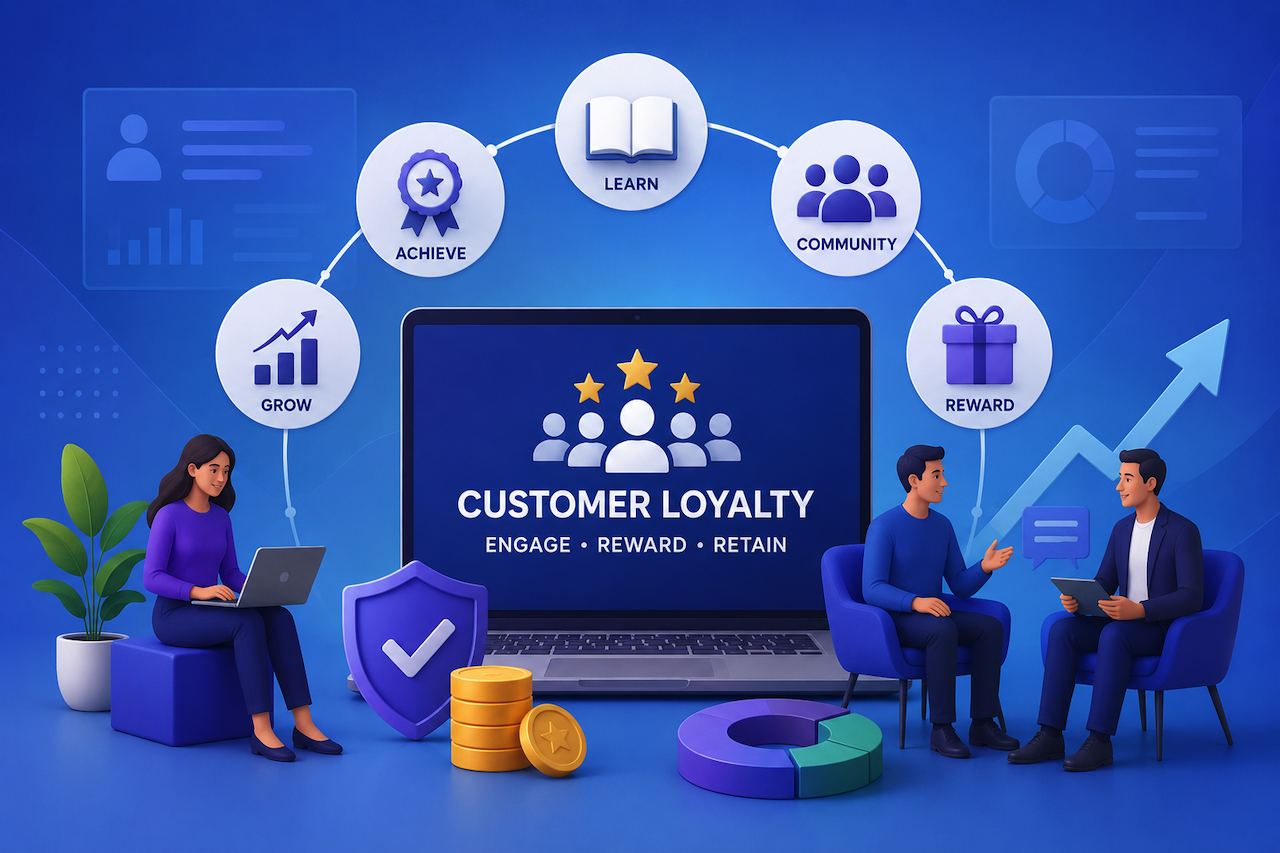
Featured Image generated by ChatGPT.
Share this post
Leave a comment
All comments are moderated. Spammy and bot submitted comments are deleted. Please submit the comments that are helpful to others, and we'll approve your comments. A comment that includes outbound link will only be approved if the content is relevant to the topic, and has some value to our readers.
Comments (0)
No comment