
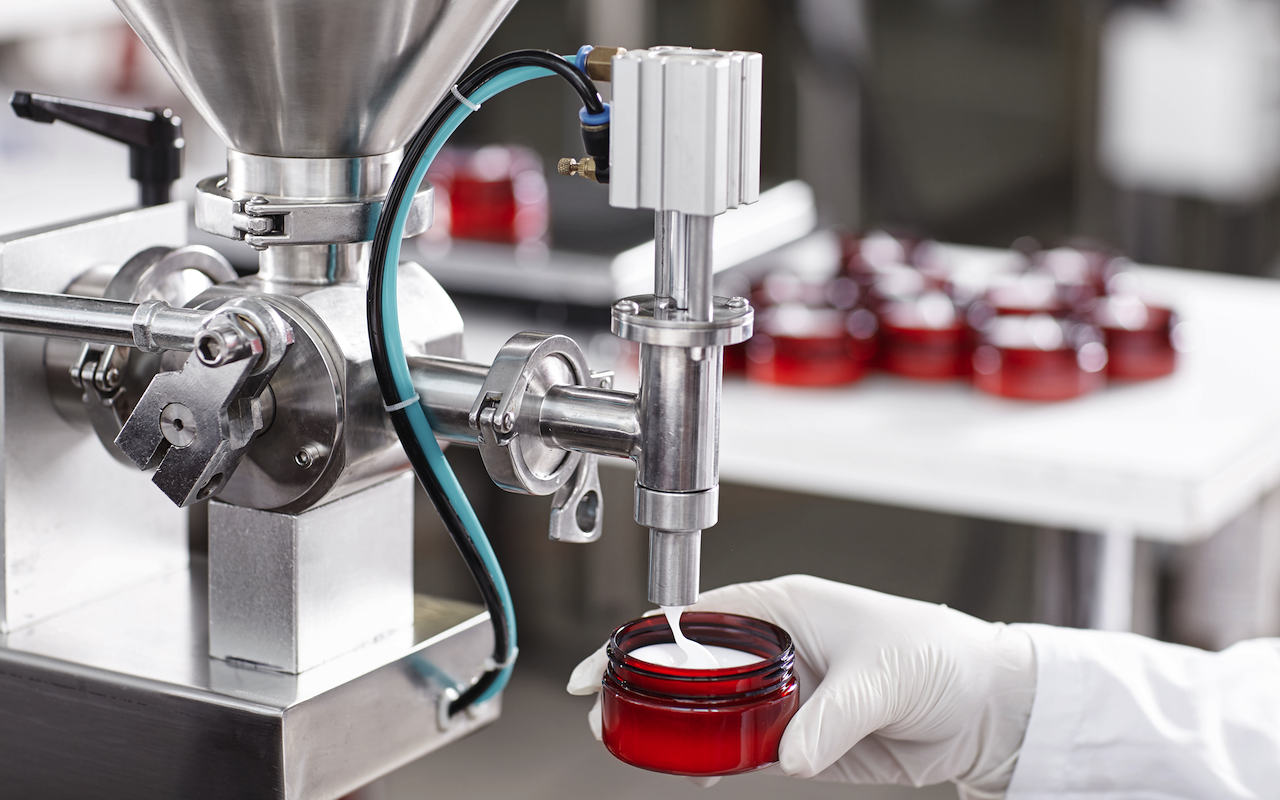
Injection Molding Fundamentals in Cosmetic Packaging
Injection molding plays a crucial role in creating cosmetic packaging. It offers efficiency and flexibility in manufacturing various plastic components, like bottles and tubes. Understanding the fundamentals can help you appreciate how your packaged products are made.
Definition and Overview
Injection molding is a manufacturing process used to create plastic parts by injecting molten plastic into a mold. In cosmetic packaging, this method allows for the production of various containers, including pump bottles, jars, and tubes.
The process starts with plastic pellets that are heated until they melt. These molten plastic materials are then injected into a specially designed mold. Once cooled, the plastic solidifies into the desired shape of your packaging. It’s efficient, allowing for high-volume production with precision.
Key Steps in the Injection Molding Process
The injection molding process consists of several key steps:
- Material Preparation: Plastic pellets are heated in a barrel until they melt.
- Injection: The molten plastic is injected under high pressure into a mold cavity.
- Cooling: The plastic cools and hardens in the mold, taking its final shape.
- Ejection: Once solidified, the mold opens, and the finished part is ejected.
This cycle is repeated multiple times, allowing manufacturers to produce thousands of identical components quickly. The rapid manufacturing process makes it popular in the cosmetic industry.
Role of Injection Molding Machines
Injection molding machines are essential for this process. They are designed to control the heating and injection of the plastic. Your packaging's quality highly depends on the machine’s precision and efficiency.
These machines come in various sizes, depending on the product's complexity and volume requirements. The machine works by heating the plastic and then injecting it into the mold with great force. This ensures that each part is crafted accurately, resulting in high-quality plastic packaging that meets industry standards.
Comparison With Other Manufacturing Methods
When you compare injection molding with other manufacturing methods, it stands out for several reasons:
- Efficiency: Injection molding is faster than methods like blow molding or hand filling.
- Precision: It creates highly detailed designs, which is crucial for intricate cosmetic packaging.
- Material Variety: This method can work with a variety of plastics, giving you choices in packaging.
While other methods might be simpler or cheaper for small batches, injection molding is the best choice for high-quality and scalable cosmetic packaging production.
Materials Used for Cosmetic Packaging
When choosing materials for cosmetic packaging, understanding the types of plastics used is essential. Different materials offer unique properties that can enhance functionality and aesthetics.
Thermoplastic Types in Cosmetics
Thermoplastics are popular in cosmetic packaging because they can be easily molded and reshaped. Here are some common types you might encounter:
- Polyethylene (PE): This durable plastic is resistant to moisture and chemicals, making it ideal for containers like bottles and tubes.
- Polyethylene Terephthalate (PET): Known for its clarity and strength, PET is often used for bottles that hold liquids, including perfumes and lotions.
- Acrylonitrile Butadiene Styrene (ABS): ABS combines strength with versatility, which makes it suitable for rigid packaging like caps and custom designs.
These thermoplastics are produced in forms like plastic pellets, which manufacturers then melt and inject into molds to create packaging.
Advantages of PE, PET, and ABS
Each of these materials brings distinct benefits to the table. Here’s a quick look:
- PE: Its excellent barrier properties help protect your products from environmental factors. This is especially important for creams and serums.
- PET: This plastic is not only lightweight but also recyclable, making it a smart choice for eco-conscious brands. It holds well against the beauty industry's typical contents.
- ABS: Thanks to its impact resistance, ABS is a favorite for containers needing a stylish look without sacrificing durability. It can also be easily colored during production.
Your choice of these materials can directly impact your product's marketability and sustainability.
Selection Criteria for Packaging Materials
Selecting the right material involves considering several factors:
- Product Type: Understand the contents. For liquids, moisture-resistant materials like PET or PE are crucial.
- Shelf Life: Choose materials that efficiently protect against UV light and oxygen to extend product freshness, especially if your cosmetics contain sensitive ingredients.
- Sustainability: With growing consumer awareness, using recyclable materials like PET can enhance brand value.
- Cost: Assess your budget. While some materials like ABS can be more expensive, they might offer better performance and design options.
By focusing on these criteria, you can ensure your cosmetic packaging meets both practical and aesthetic needs.
Types of Cosmetic Packaging Produced by Injection Molding
Injection molding creates a variety of cosmetic packaging options that are both functional and visually appealing. The precise manufacturing process allows for detailed designs and strong materials. Here are the main types of packaging produced by injection molding.
Caps and Closures
Caps and closures are essential for keeping cosmetic products secure and fresh. They come in many shapes, sizes, and designs to suit different products like bottles and jars.
- Pump Caps: These allow for easy dispensing of liquids without spills.
- Screw Caps: Common for jars and bottles, these provide a tight seal.
- Flip Tops: Great for quick access, making them user-friendly.
By using injection molding, you can create caps that fit perfectly, ensuring a leak-free experience. The option for customization lets you choose colors and finishes that align with your brand.
Containers and Jars
Containers and jars are key components in the cosmetic industry. They hold a variety of products, from creams to serums, and their design can influence consumer choice.
- Cream Jars: Often made with thicker walls for durability, these jars are attractive and practical.
- Serum Bottles: These require precise shapes for effective dispensing, often featuring dropper systems.
- Travel Containers: Smaller packages are ideal for travel, appealing to consumers on the go.
Injection molding allows for unique designs that can enhance the product's appeal. With options for clear or colored plastics, your containers can showcase the product inside effectively.
Lipstick Cases and Compact Covers
Lipstick cases and compact covers are not just functional; they are also fashion statements. An elegant design can make a lasting impression on customers.
- Lipstick Tubes: These must be sturdy yet lightweight, often with twist or push mechanisms for easy use.
- Compacts: Used for powders or creams, compacts can be designed with mirrors and customizable shapes.
- Locking Mechanisms: These ensure that your products stay closed when not in use.
Using injection molding, you can create intricate designs that attract attention and provide ease of use. Personalizing these cases enhances brand recognition and consumer loyalty.
Advanced Cosmetic Packaging Components
In the world of cosmetic packaging, advanced components play a crucial role in enhancing user experience and product effectiveness. This section focuses on two key areas: pumps and dispensing systems and packaging for perfumes and fragrances.
Pumps and Dispensing Systems
Pumps and dispensing systems are essential for delivering cosmetic products in a convenient and controlled manner. There are several types of pumps, including:
- Airless Pumps: These protect your product from air exposure, keeping it fresh longer.
- Trigger Pumps: Great for larger containers, allowing easy spraying or dispensing.
- Lotion Pumps: Ideal for thicker products like creams and lotions.
When designing pumps, consider the type of product you are packaging. The pump should fit well with the overall design and provide a seamless experience for users. This ensures that your products not only look good but also function well.
Perfume and Fragrance Packaging
Packaging for perfumes and fragrances requires special attention due to the delicate nature of the products. Common types include:
- Glass Bottles: Often used for higher-end fragrances, providing an elegant look.
- Roll-On Bottles: Ideal for easy application and portability.
- Spray Bottles: Perfect for even distribution and a light scent application.
Each type of packaging must protect the fragrance from light and air, which can degrade quality. Additionally, consider using custom shapes and colors to make your packaging stand out on the shelves. This not only attracts customers but also reflects the essence of your brand.
Design Considerations and Surface Treatment
When creating cosmetic packaging through injection molding, design and surface treatment play crucial roles. Focusing on unique shapes and finishes enhances both function and visual appeal. Here, we will cover the key aspects of custom shapes and surface textures.
Custom Shapes and Decorative Effects
In cosmetic packaging, the shape of your container is vital. Custom shapes help your product stand out and can reflect your brand's identity.
- Mold Design: When creating your mold cavity, consider intricate designs that provide both style and function.
- Functional Elements: Incorporate features like ergonomic grips or openings that enhance user experience.
- Decorative Effects: Use techniques like embossing or debossing for added texture. This adds not just beauty but also can help with grip.
These elements can set your packaging apart on the shelf, making it more attractive to potential buyers.
Surface Texture and Finishing Options
Surface treatment is essential in achieving the right look and feel for your packaging. A well-finished surface can enhance the product's overall quality.
- Types of Finishes: Choose from matte, gloss, or satin finishes based on your target audience. Each type gives a different emotional response.
- Texture Options: Explore various textures like smooth, rough, or patterned surfaces. Textures can create a tactile experience that consumers appreciate.
- Durability Concerns: Aim for surface treatments that resist scratches and wear. This ensures your packaging looks great longer.
Selecting the right surface treatment not only elevates the appearance but also contributes to your product’s functionality.
Conclusion
Injection molding remains a cornerstone of modern cosmetic packaging, offering unmatched precision, efficiency, and design versatility. From selecting the right thermoplastics like PE, PET, and ABS to crafting intricate shapes for lipsticks, jars, and pumps, this manufacturing method meets both functional and aesthetic demands. As consumer expectations evolve and sustainability becomes increasingly important, manufacturers must continue to innovate by combining smart material choices, advanced molding techniques, and thoughtful design. By understanding the full scope of injection molding, brands can deliver packaging that not only protects and presents their products but also strengthens their identity in a competitive beauty market.
Featured Image by Freepik.
Share this post
Leave a comment
All comments are moderated. Spammy and bot submitted comments are deleted. Please submit the comments that are helpful to others, and we'll approve your comments. A comment that includes outbound link will only be approved if the content is relevant to the topic, and has some value to our readers.
Comments (0)
No comment