
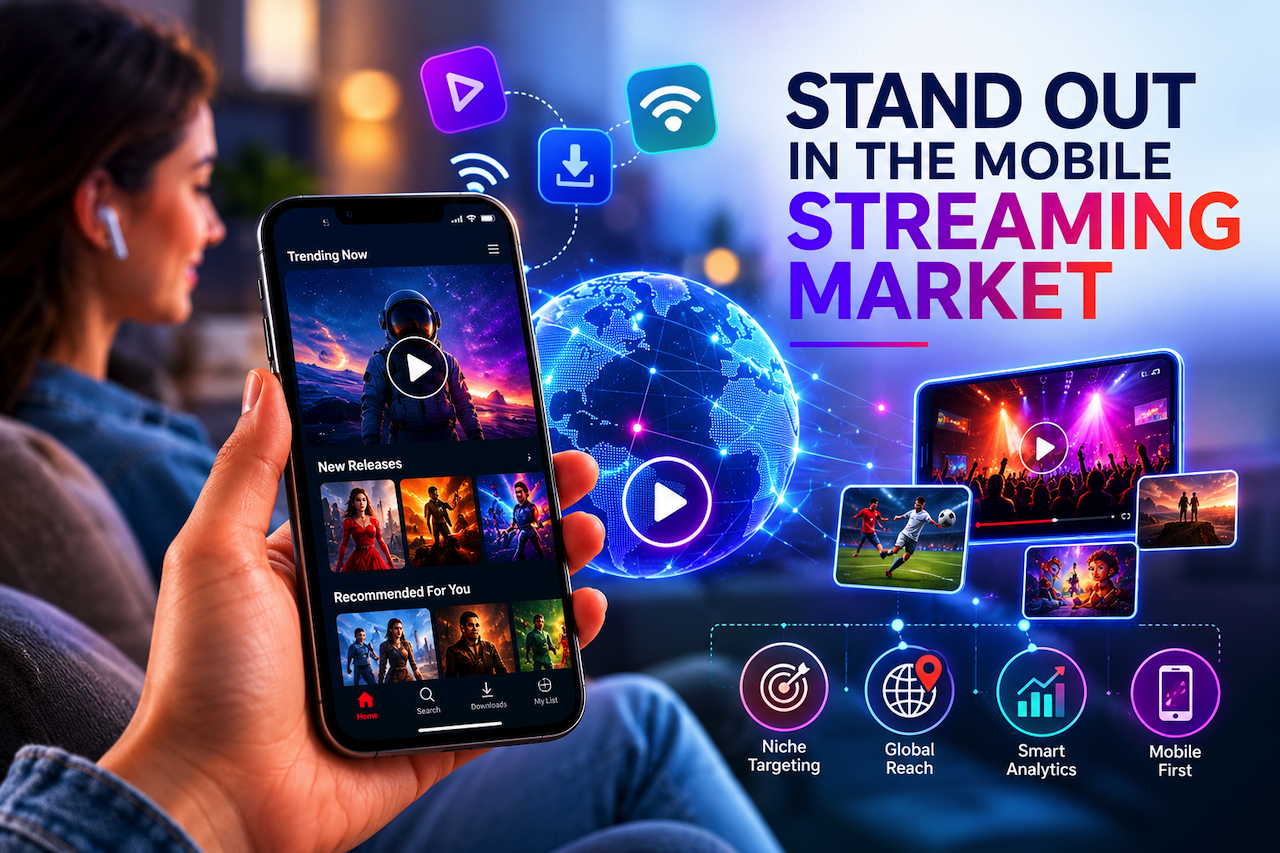
Most people watch video on their phones now. Whether it’s during a commute or lying in bed, the mobile screen is the primary way we consume content. For independent media brands and niche streaming businesses, this shift is a massive opportunity. It’s hard to compete with giants like Netflix on content budgets, but you can win by offering a more tailored, hyper-focused experience.
To do that, you need a smart mobile OTT strategy. It isn’t just about having an app; it’s about making sure that app works perfectly for your specific audience. When you prioritize the handheld experience, you reach users where they spend the most time.
Why Mobile Is the Real Battlefield
Global streaming platforms try to serve everyone at once. This often makes their services feel generic. Independent platforms have an advantage because they understand their core community better. They know the specific subcultures, the highly specialized interests, and the exact content formats their audience craves.
But the technical side has to be right. If a video buffers or the app crashes, users will leave. That’s why optimizing your underlying streaming architecture is critical. You need a setup that is light enough for mobile networks but powerful enough to deliver high-quality video.
According to data from the Ericsson Mobility Report, video content accounts for over 70% of all mobile data traffic, making it the single most important factor in mobile network usage. This growth means your service needs to be mobile-first, not just "mobile-friendly."
Solving the Connectivity Problem
One of the biggest hurdles for mobile streaming is the network. Users move between 5G, 4G, and sometimes shaky Wi-Fi. A good service stays stable during these transitions.
Technically, this relies on how you handle IP data and content delivery. Understanding IP tracking can help content owners manage regional distribution rights, support geoblocking requirements, and deliver the appropriate stream based on a user's location.
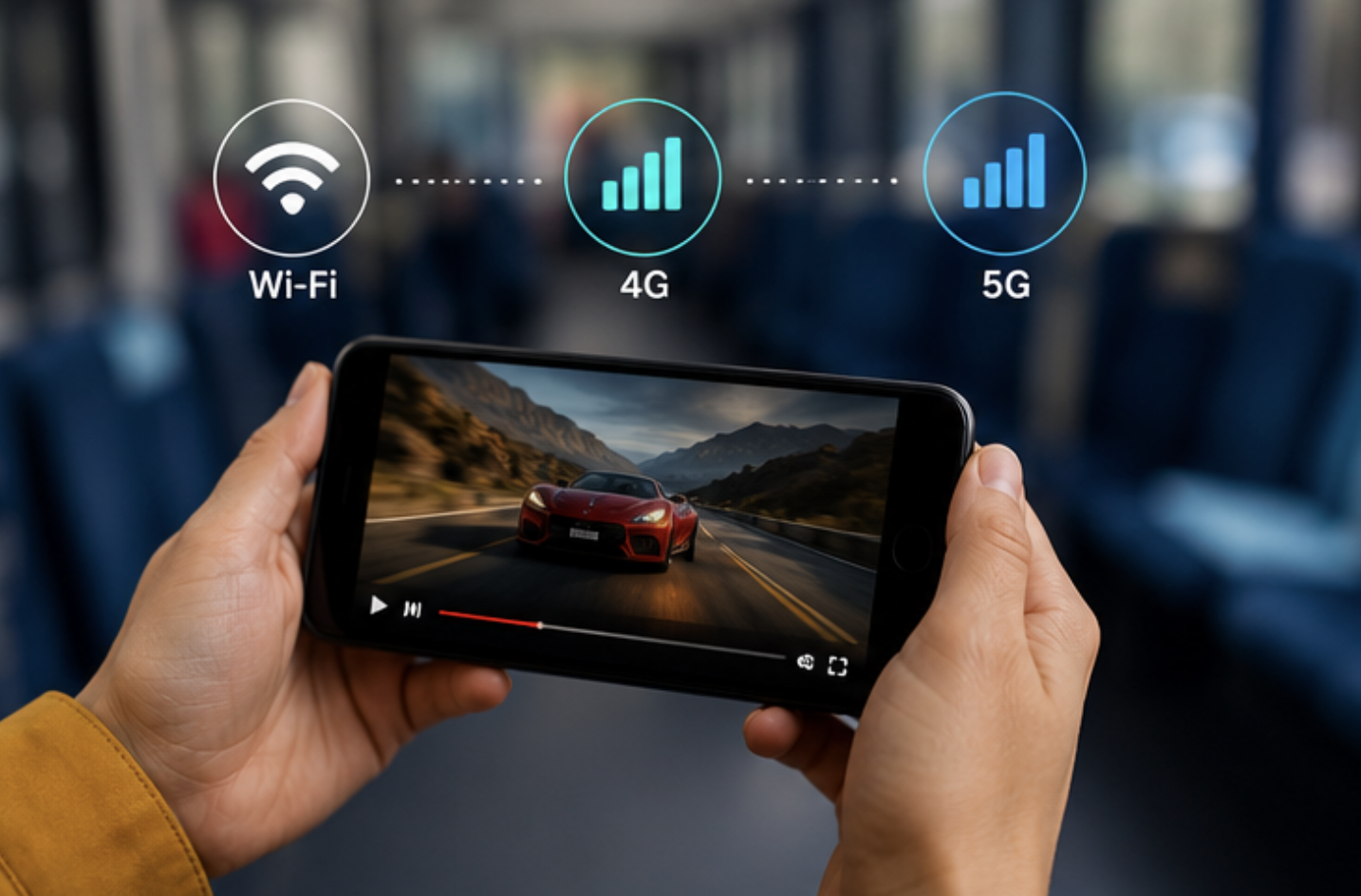
Image generated by ChatGPT.
If your configuration can’t handle a sudden drop in signal, the user experience breaks. Your delivery system should automatically adjust the video quality so the stream never stops. This kind of reliability builds trust with your subscribers.
Handling Device Fragmentation
One thing product owners often overlook is how many different types of phones are out there. In a global marketplace, your users aren't just using the latest flagship phones. Many will be on older devices with limited processing power.
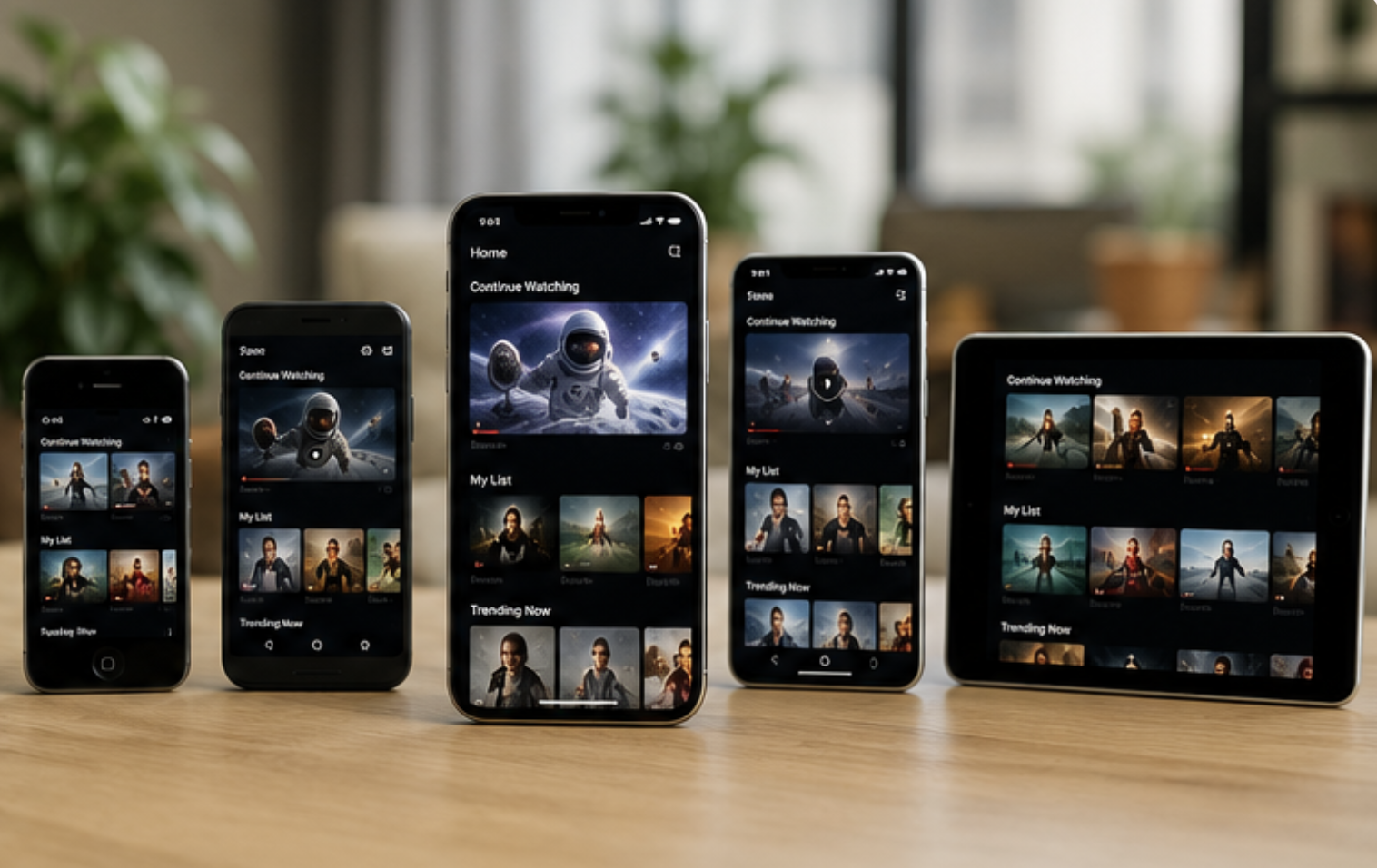
Image generated by ChatGPT.
Your app needs to work on all of them. This is a big challenge for internal tech teams. When building and testing your app, you must account for "fragmentation" by testing against hundreds of device profiles to ensure the media player doesn't lag or crash on cheaper hardware. If the app is too heavy, users will delete it to save space. Keep the codebase lean and fast.
The Power of Niche Targeting and Accessibility
Global giants often struggle with specific user preferences and regional accessibility. This is where you can differentiate your business.
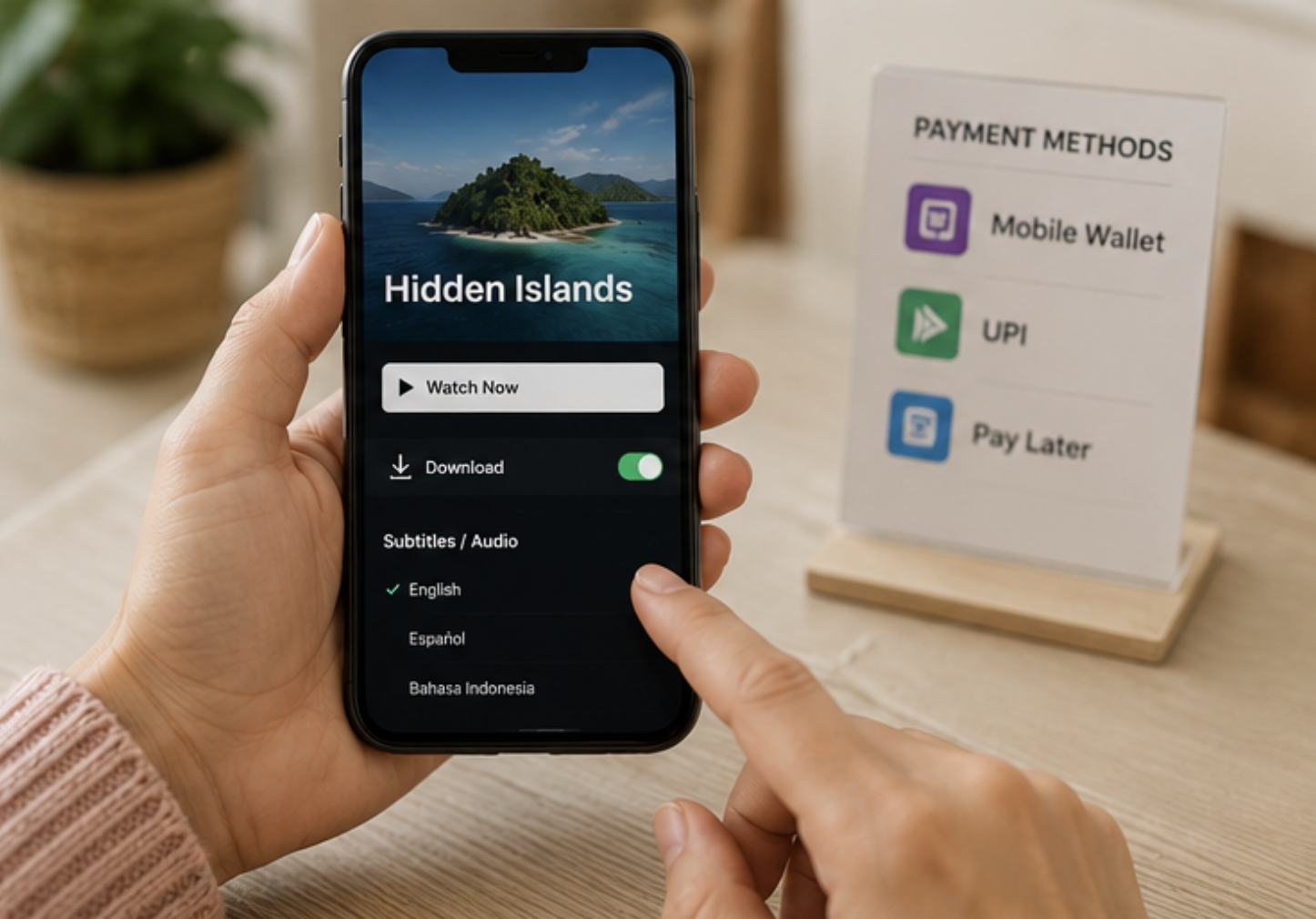
Image generated by ChatGPT.
- Geographic Tailoring: Using precise location management allows you to secure and distribute exclusive regional content or niche sports rights that global platforms might ignore.
- Offline Features: In many areas, mobile data is expensive or networks are unreliable. Letting users download shows to watch later is a basic feature that must be executed flawlessly.
- Frictionless Payments: Not every user wants to use traditional international credit cards. Integrating your streaming app with regional digital wallets and mobile payment systems makes it much easier for people to subscribe.
Balancing Ads and Subscriptions
Business owners need to decide how to make money without driving users away. On mobile, people are often more open to shorter ad breaks if it means the subscription cost is lower.
A hybrid model is often the best choice. You can offer a free version with ads (AVOD) and a premium version without them (SVOD). This allows you to capture the widest possible audience. The key is to make sure the ads don't interrupt the user experience in a way that feels broken. Mobile-specific ad formats, like small banners or "rewarded" video, usually work better than long, unskippable pre-roll ads.
Measuring Capabilities and Performance
When managing video delivery, don't just look at a list of technical features. Look at how those capabilities help your business grow. You need an infrastructure that is deeply optimized for the mobile environment.
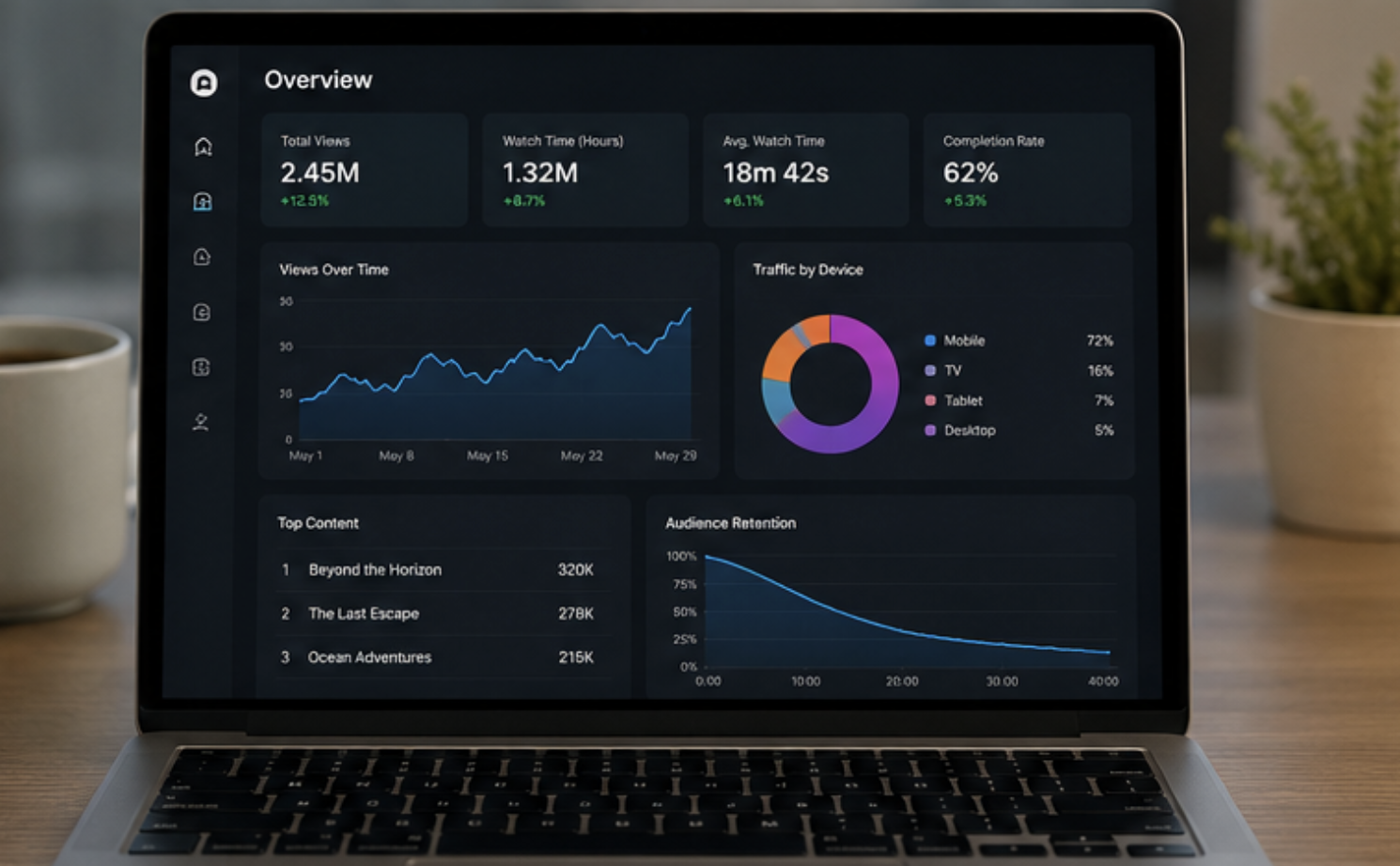
Image generated by ChatGPT.
A successful rollout requires launching quickly without spending a year waiting to get your app into the stores. You also need deep analytics. You should know exactly what your users are watching and where they get frustrated. If you see people dropping off after 30 seconds, you know you have an engineering or network performance issue to fix.
Final Thoughts
You don't need to be the biggest company to be the best in your market. By focusing on a dedicated mobile strategy, you can provide a service that feels personal, community-driven, and reliable. Effective OTT solutions combine strong content, reliable performance, and a user experience that keeps viewers engaged.
The goal is to be the first app your customers open when they have ten minutes to spare. If you focus on audience relevance and a smooth mobile experience, you can compete with anyone. Prioritizing the mobile viewer is the first step in making that happen—it’s about giving your audience exactly what they want, right in their pocket.
Featured Image generated by ChatGPT.
Share this post
Leave a comment
All comments are moderated. Spammy and bot submitted comments are deleted. Please submit the comments that are helpful to others, and we'll approve your comments. A comment that includes outbound link will only be approved if the content is relevant to the topic, and has some value to our readers.
Comments (0)
No comment