

If you've ever watched a fighter glide through the late rounds, you can almost feel the quiet math happening under the sweat: energy in, power out, nerves steady. It's not just the heart. It's timing, fuel, and a stubborn attention to the small things—what you ate two hours ago, what's in your bottle, how quickly you get calories back in when it's over. The best boxing nutrition plan is less glamorous than people expect. It's simple, repeatable, and it respects the body's rhythms.
The Fight Starts Before the Bell
Fuel early so training feels like flow, not survival.
Your pre-session meal should set you up to move. Two to three hours before training, think carbs with calm: oats with fruit, rice and eggs, a turkey sandwich, yogurt with honey. A good rule of thumb: 1–2 grams of carbohydrate per kilogram of bodyweight in that window, with a palm-size serving of protein and a little fat. Nothing too greasy—your gut is going to bounce.
If time gets tight (because life), a smaller top-up 30–60 minutes out works: a banana, a slice of toast with jam, a sports drink, or a small rice cake with honey. Sip water all day, not just on the way to the gym; 500–700 ml in the two hours before training, plus a pinch of salt if you're a heavy sweater, can make the first round feel like the first round, not the fourth.
During the Rounds

Keep the lights on without angering your stomach.
Once the bell rings, the goal is steady energy and hydration. For sessions over an hour or high-intensity work (heavy bag ladders, hard sparring, sweaty mitt rounds), aim for 30–60 grams of carbs per hour. That could mean a sports drink, chews, half a banana between rounds, or quick sips of a mixed bottle. If your stomach gets prickly, even rinsing your mouth with a carbohydrate drink can flick the brain's fuel switch and steady your pace.
Hydration is personal, but most boxers consume around 0.4–0.8 liters per hour—more in a hot gym, less in a lighter session. Don't be shy with sodium; 300–600 mg per hour helps retain fluid, keeps cramps at bay, and takes the edge off that woozy, post-spar drain. It's strange how simply adding a pinch of salt can turn the lights back on.
After the Final Round
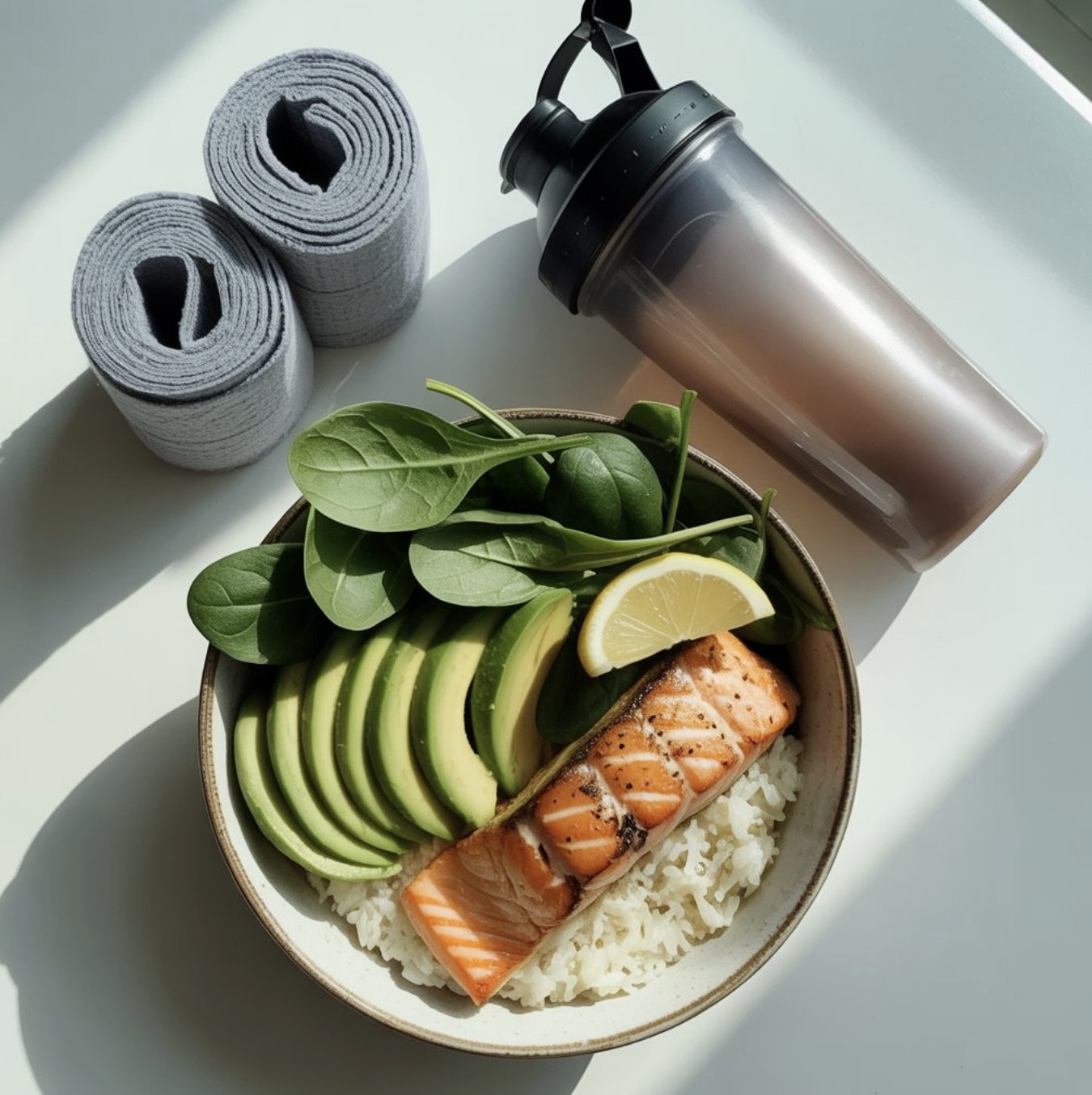
Recover fast so tomorrow doesn't steal today's gains.
When you finish, the clock starts. In the first 30–60 minutes, aim for 20–30 grams of protein (about 0.3 g/kg for most athletes) and enough carbs to refill the tank—roughly 1–1.2 g/kg if you worked hard. This can be as simple as chocolate milk and a banana, rice and salmon, or a wrap with chicken and fruit on the side. Keep sipping fluids with electrolytes until your urine turns pale.
Supplements should be approached pragmatically. Whey or a high-quality plant protein, creatine monohydrate (3–5 g daily), and options like tart cherry or omega-3s may support recovery for some athletes. Choices often come down to personal preference, digestion, and convenience rather than format. I didn't expect this, but the biggest upgrade for many athletes is consistency, not exotic powders.
The Small Tweaks That Change Everything
When "good enough" becomes "that felt easy."
- Coffee is fine pre-workout if it agrees with you; pair it with water.
- If you cramp late, check your sodium and total carbs before blaming magnesium.
- On weigh-in week, practice your plan early. Don't let a rush job wreck your engine.
- Sensitive gut? Choose lower-fiber carbs before training (white rice, ripe bananas, yogurt, sourdough) and save the roughage for later.
- Iron and B12 matter, especially for menstruating athletes or those on plant-forward diets—test, don't guess.
What Actually Works in Real Gyms
Spoiler: it looks like a well-packed lunchbox.
From what I've seen, the boxers who feel "snappy" day after day don't eat fancy; they eat on time. They bring food. They don't play hero with dry mouth. They have a rhythm: breakfast with carbs and protein, an authentic lunch, a pre-session top-up, sips during, a recovery meal they could make half-asleep. Rice, potatoes, eggs, fruit, yogurt, tortillas, nut butter, lean meats or tofu—it's regular food, reliably deployed.
And they check signals. If sparring feels like moving through syrup, they add carbs earlier. If their heart rate spikes during shadowboxing, they drink more and salt the bottle. If sleep is ragged, they bring recovery forward and cool the room. It's human, not perfect. But it works.
A Last Word
Fuel is a skill, just like footwork.
Boxing asks for presence—hands up, eyes clear, lungs steady. Nutrition makes room for that. Start simple, repeat what works, and adjust like a coach would: one variable at a time. Suppose you try something from this playbook and feel that sudden ease in the third round, don't overthink it. Keep doing it. The body remembers.
Share this post
Author

Leave a comment
All comments are moderated. Spammy and bot submitted comments are deleted. Please submit the comments that are helpful to others, and we'll approve your comments. A comment that includes outbound link will only be approved if the content is relevant to the topic, and has some value to our readers.
Comments (0)
No comment