
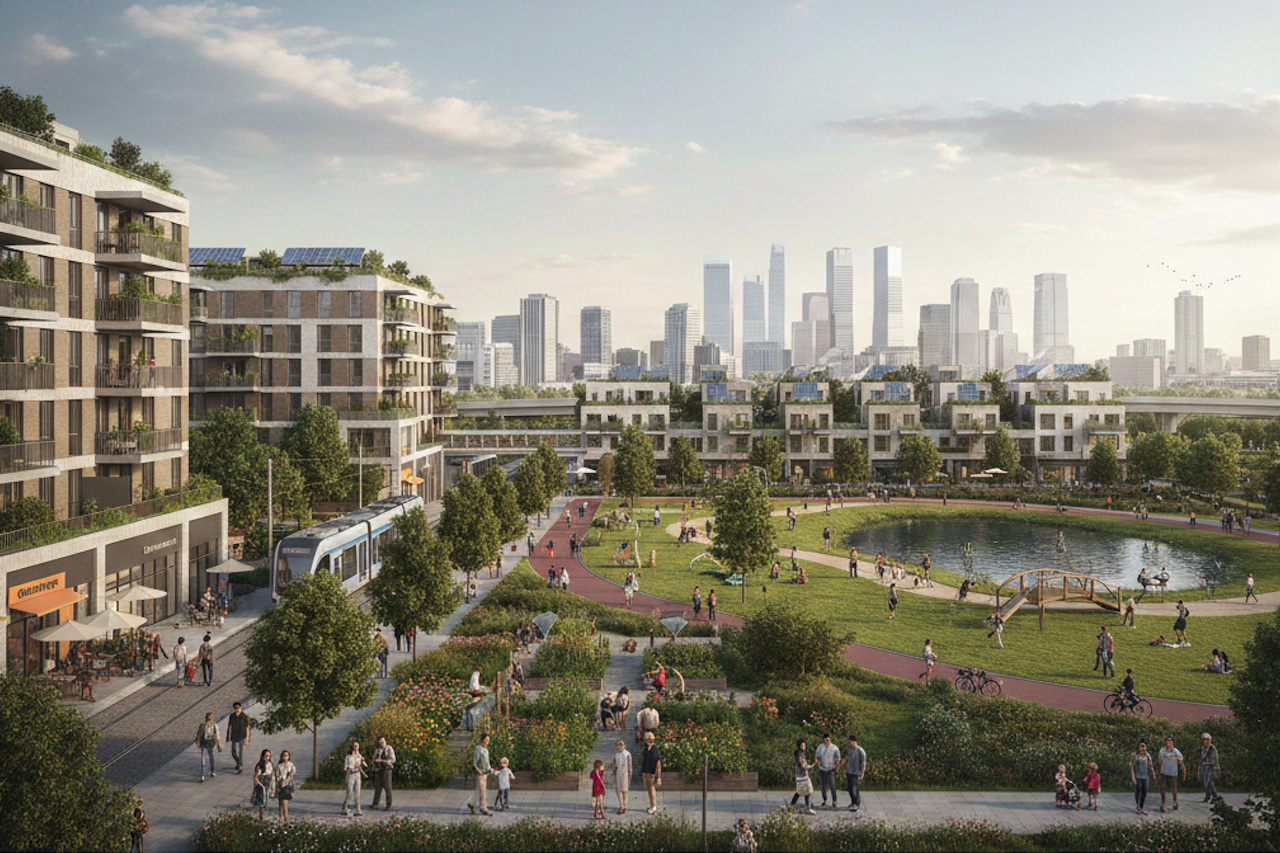
Choosing where to live goes far beyond the walls of a home. Daily life unfolds outside the front door, shaped by surroundings, routines, and the people nearby. Neighborhoods can feel very different from one another, even within the same city. The right location can quietly influence how relaxed, connected, and supported you feel over time. Where you live today often sets the stage for what comes next.
1. Daily Life and Convenience
Start by considering your everyday routine. Do you commute often, or spend more time close to home? Do you prefer easy access to shops, services, and amenities, or do you value quieter surroundings? Residential areas designed with daily convenience in mind, such as Tengah Garden Residences, often place public transportation, grocery stores, healthcare facilities, and fitness options within easy reach, helping reduce time spent on routine tasks. Small conveniences often have a surprisingly large impact on quality of life.
2. Community and Neighborhood Feel
A sense of belonging can make a place feel like home more quickly. Neighborhoods with shared spaces—such as parks, walkways, or communal courtyards—often encourage casual interactions and familiarity among residents. Seeing familiar faces during daily walks or errands can create a feeling of stability and comfort. For families, environments where children can play safely add an extra layer of peace of mind.
3. Green Spaces and Quality of Life
Access to green spaces can greatly influence well-being. Areas with trees, parks, and open spaces offer opportunities to slow down, spend time outdoors, and step away from daily noise and screens. These environments are not just visually appealing; they can help reduce stress, encourage movement, and support mental clarity.
4. Transportation and Accessibility
Good connectivity makes a big difference in how a location functions day to day. In well-planned cities such as Singapore, living near reliable public transportation or major roadways can shorten travel times and make it easier to reach work, social activities, and essential services. When an area is well connected, it can feel self-contained while still offering access to the wider city.
5. A Place That Works for Families
For families, safety and accessibility are key considerations. Areas with safe walkways, nearby schools, childcare options, and recreational spaces can make daily routines smoother and more predictable. Family-oriented developments, such as Chuan Grove Residences, are often designed with people of different ages in mind, creating environments that feel balanced and welcoming while supporting both activity and rest.
6. Thinking Long Term
It’s important to look beyond immediate needs and consider how an area may change over time. New transportation links, schools, parks, or commercial developments can significantly alter how a neighborhood feels. Understanding future plans can help ensure that a place remains practical and comfortable in the years ahead.
7. Considering Lifestyle Changes and Later Years
As priorities shift, so do housing needs. Access to healthcare, calm surroundings, and walkable areas often become more important over time. Places that support both activity and relaxation, without constant noise or congestion, can offer a more sustainable daily rhythm. Thoughtful design and accessible services can make long-term living more comfortable and flexible.

Final Thoughts
A home is more than a physical structure. The surrounding environment shapes daily experiences, from morning routines to quiet evenings. Consider what matters most to you—whether that’s walkability, community, access to nature, or long-term flexibility. Comfort should grow over time, not fade. Choosing a place that aligns with your lifestyle today, while allowing room for change, can make a lasting difference.
Featured Image generated by Google Gemini.
Share this post
Leave a comment
All comments are moderated. Spammy and bot submitted comments are deleted. Please submit the comments that are helpful to others, and we'll approve your comments. A comment that includes outbound link will only be approved if the content is relevant to the topic, and has some value to our readers.
Comments (0)
No comment