
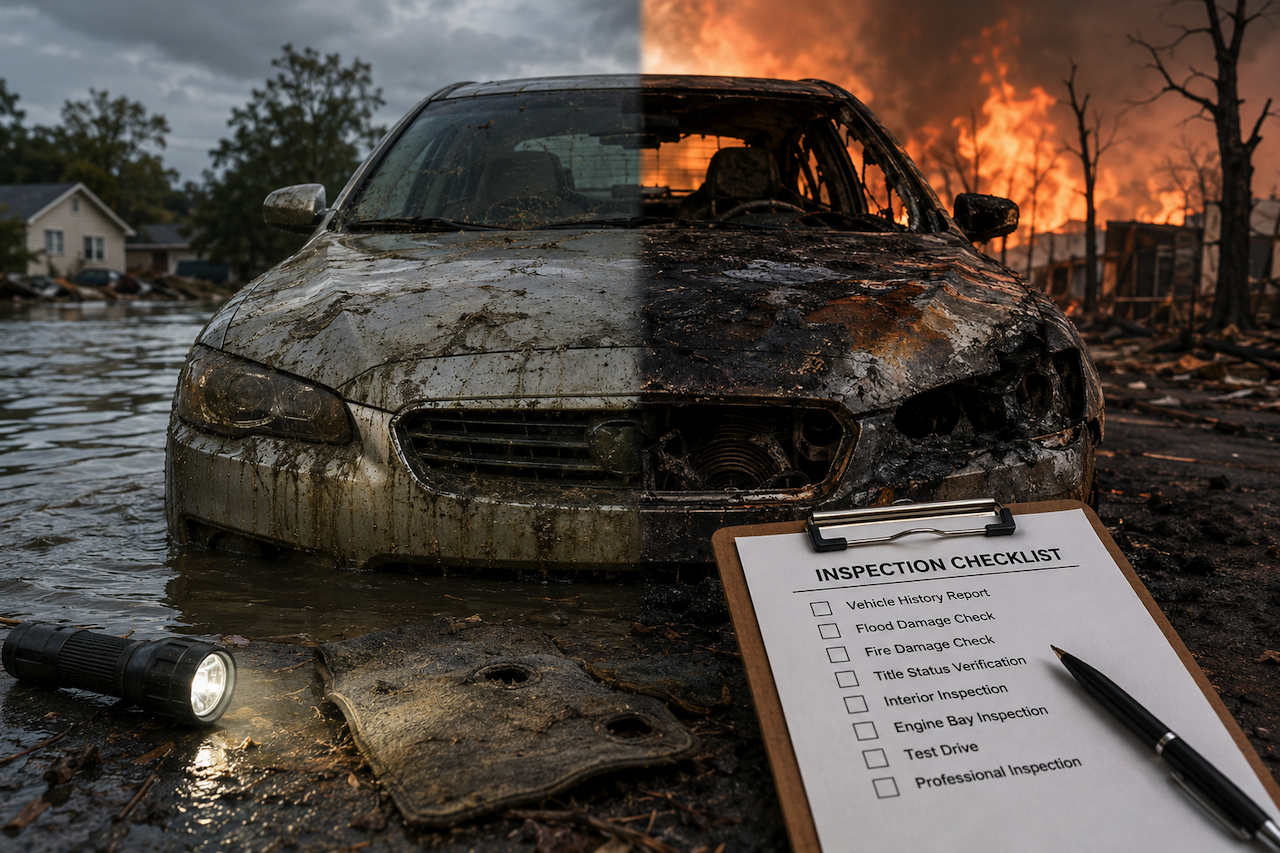
Key Takeaways
- Serious buyers must verify vehicle backgrounds across multiple listings to spot hidden environmental liabilities efficiently.
- Cosmetic restoration frequently hides deep electronic, mechanical, and structural damage caused by water submersion or wildfire heat.
- Standard vehicle history reports can miss cross-border title migration and hidden auction details.
- Utilizing high-volume vehicle history data allows consumers to screen multiple vehicle identification numbers efficiently and simultaneously.
Severe environmental incidents leave lasting, invisible impacts on vehicles sold on the secondary market. Detailing processes frequently mask deep electronic degradation and structural failure caused by water submersion or extreme thermal exposure. In this guide, you will learn to identify these hidden liabilities through systematic physical inspections and digital history verification. This proactive assessment protects your financial investment and ensures your personal safety on the road.

Image by DepositPhotos.
What Is Flood and Fire Damage in a Car’s History?
Flood and fire damage in a vehicle's history signifies that a car sustained severe water immersion or thermal exposure, resulting in total-loss insurance declarations or systemic degradation. While cosmetic detailing can mask these incidents, the structural, mechanical, and electrical systems remain permanently compromised, posing severe long-term safety and financial risks to subsequent owners.
Defining the Parameters of Water Immersion
Flood damage occurs when water enters a vehicle's critical compartments. Freshwater flooding leads to progressive corrosion of mechanical components and gradual electrical short circuits. Saltwater immersion is significantly more destructive, as the corrosive salt accelerates the degradation of wiring harnesses, computer modules, and metal panels.
Vehicles subjected to deep submersion often suffer from contaminated lubricants and compromised fluids. If an engine is started with water in the cylinders, hydrostatic lock occurs, causing catastrophic internal mechanical failure. These underlying issues frequently remain hidden until months after the initial immersion.
Understanding Thermal and Fire Exposure
Fire damage ranges from localized engine bay blazes to full-scale cabin burns. Vehicles exposed to intense external heat, such as those near wildfires, suffer structural damage even without direct flame contact. High temperatures permanently alter the molecular integrity of high-strength steel alloys used in modern vehicle chassis.
Thermal exposure also destroys protective zinc coatings, leaving the metal vulnerable to rapid rusting. Synthetic seals, fuel lines, and complex wiring insulation melt or become extremely brittle under intense heat. This degradation creates immediate vulnerabilities, increasing the likelihood of subsequent mechanical failure or electrical fires.
The Multi-Car Screening Methodology
The global secondary automotive market frequently sees damaged vehicles cosmetically restored and offered for sale. Dishonest sellers often use title washing, a process in which a salvage vehicle is registered in multiple jurisdictions to clear negative historical marks. Consequently, reliance purely on a physical, surface-level inspection introduces immense financial risk.
Serious buyers inspect multiple vehicles simultaneously to find a safe option. Using a comprehensive VIN check for flood or fire damage through high-volume data platforms, including services such as Zilocar, can help consumers screen numerous vehicle histories side by side more efficiently.
Traditional single-report providers charge fees for individual searches, which can increase costs during a multi-car evaluation. By using aggregated data from industry, auction, insurance, and government-related sources, buyers may be able to identify hidden auction records, historical digital listings, and cross-border title movements that might not appear in a single record source.
Why Are Water and Thermal Damages So Dangerous to Ignore?
Ignoring past water and thermal damage exposes vehicle buyers to unpredictable electronic failures, compromised structural integrity, and severe health hazards. These hidden defects directly undermine factory safety systems, such as airbags and crumple zones, while introducing toxic biological growth or chemical residue into the vehicle cabin.
The Silent Killer: Modern Automotive Electronics
Modern vehicles rely on intricate electronic networks known as Controller Area Network (CAN bus) systems. Water immersion initiates microscopic corrosion within these wiring harnesses and delicate silicon control units. This degradation progresses silently over time, causing sudden, intermittent electrical failures months after the initial exposure.
Safety systems are particularly vulnerable to this delayed decay of components. Corroded impact sensors can cause airbags to deploy spontaneously or fail during a collision. Furthermore, anti-lock braking systems (ABS) and electronic stability controls can malfunction without warning, creating immediate hazards on the road.
Mechanical and Structural Vulnerabilities
Water contamination permanently alters the lubricating properties of engine oil, transmission fluid, and differential lubricants. If an engine ingests water during submersion, hydrostatic lock can bend connecting rods and crack the engine block. Residual grit and silt left inside mechanical assemblies cause rapid, premature bearing wear and catastrophic drivetrain failure.
Thermal exposure from fires introduces a different type of structural degradation. Extreme heat permanently weakens high-strength steel and aluminum alloys used in the vehicle frame. This structural softening prevents the vehicle chassis from properly absorbing impact energy, destroying the factory-designed crash crumple zones.
Health and Environmental Hazards
Floodwaters carry bacteria, raw sewage, and industrial chemical contaminants directly into the vehicle interior. Porous materials like seat foam, acoustic insulation, and HVAC ductwork absorb these hazardous substances. Microscopic mold spores multiply rapidly within these dark spaces, releasing airborne toxins into the passenger cabin.
Fire incidents leave behind highly toxic chemical residues and carcinogenic soot particles. Melted plastics, synthetic fabrics, and burning wiring insulation release hazardous off-gassing long after the fire is extinguished. These chemical deposits remain trapped inside the ventilation system, posing chronic respiratory risks to occupants.
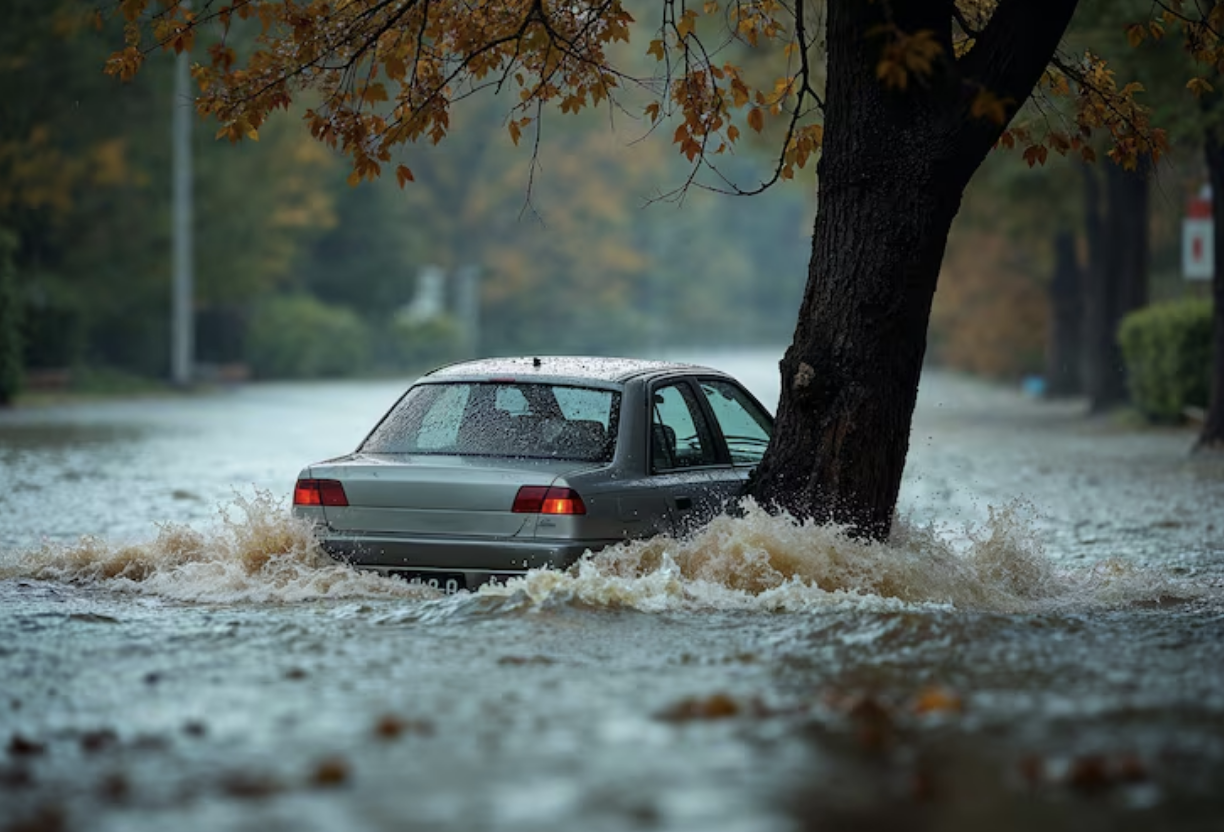
Image by Freepik.
How Can You Physically Inspect a Car for Hidden Flood Damage?
Physically inspecting a vehicle for flood damage requires searching for specific sensory indicators, structural waterlines, and hidden silt deposits. Buyers can uncover hidden submersion history by thoroughly checking low-lying interior compartments, examining unpainted metal surfaces for premature oxidation, and testing electrical performance under heavy load.
The Sniff Test and Interior Check
Odors provide immediate clues regarding past water exposure inside a vehicle cabin. A strong, persistent smell of mold or mildew indicates that the interior was thoroughly soaked. Conversely, an overwhelming scent of air fresheners or industrial cleaning agents often suggests a deliberate attempt to mask underlying odors.
Moisture accumulates in the lowest points of the vehicle's interior chassis. Pulling up the floor carpets and checking the trunk spare-tire well reveals hidden dampness or standing water. Rust on seat mounting rails, exposed dashboard brackets, and pedal springs confirms that moisture penetrated the interior.
Look for the Waterlines
Submersion leaves distinctive high-water dirt lines behind interior trim pieces and components. Inspecting inside the glove compartment, behind the center console panels, and within the door map pockets can reveal these silt marks. These hard-to-clean areas are frequently overlooked during cosmetic detailing processes.
Electrical clusters and illumination housings also trap visible evidence of water entry. Condensation, water droplets, or fogging inside the instrument cluster, headlights, and taillights indicate a broken seal or past submersion. A stained or warped paper element inside the engine air filter box provides further evidence of high water levels.
Mechanical Tell-Tales Under the Hood
Engine compartments contain numerous small recesses that collect flood debris. Silt, sand, and tiny plant fragments frequently lodge in the crevices of the alternator housing, starter motor brackets, and power steering pumps. Mechanics inspect these specific areas because standard detailing pressure washers cannot easily dislodge hidden debris.
The engine oil condition indicates active internal water contamination. Pulling the engine oil dipstick and inspecting the fluid shows whether water has mixed with the lubricant. A milky, frothy, or light-brown appearance resembling chocolate milk confirms severe internal moisture contamination.
Unpainted aluminum components develop characteristic oxidation patterns when exposed to prolonged moisture exposure. The appearance of a white, powdery residue known as aluminum oxide on the engine block, cylinder head, or suspension arms indicates extensive water exposure. Heavy rust pitting on cast-iron engine components provides similar historical evidence.
What Are the Physical Warning Signs of Past Fire Damage?
Identifying past fire damage involves locating warped structural panels, scorched paint layers, and brittle engine-bay components. Thermal exposure leaves distinct physical markers, including melted electrical insulation, mismatched cabin trim pieces, and persistent soot odors that become pronounced when the climate control system operates.
Exterior and Paint Anomalies
Extreme heat causes automotive sheet metal to warp and buckle unevenly. Inspecting the vehicle body lines down the flanks reveals waves or ripples caused by thermal distortion. Fresh paint patches on specific panels of an otherwise aged vehicle indicate localized fire repairs and panel replacements.
The undercarriage reveals clear signs of past thermal exposure. Blistering, bubbling, or completely missing rubberized undercoating materials beneath the floor pans indicate extreme heat from below. Scorched paint or discolored primer on the underside of the hood points directly to an engine bay fire.
Under-the-Hood Examination
Engine compartments house numerous heat-sensitive synthetic components. Melted, exceptionally brittle, or non-factory electrical tape and plastic wire looms indicate previous thermal exposure or hasty repairs. Wiring harnesses should remain flexible, so stiff or cracked insulation indicates exposure to excessive temperatures.
Warped plastic fluid reservoirs for coolant, brake fluid, and windshield washer blocks provide clear evidence of fire proximity. Discolored metal components that display an unnatural bluish or iridescent tint have experienced extreme thermal stress. These parts no longer match the natural aging patterns of surrounding mechanical components.
Interior Discrepancies
Cabin fires require extensive cosmetic remediation to make a vehicle salable. Mismatched interior trim pieces, newer door panels, or a replaced dashboard indicate a complete cabin overhaul. Brand-new upholstery in an older, high-mileage vehicle raises immediate questions about past interior damage.
Soot residues collect inside the intricate pathways of the automotive ventilation network. Turning the vehicle climate control system to high heat and enabling air recirculation often liberates trapped odors. A distinct, smoky scent of charred synthetic material confirms past fire exposure within the vehicle boundaries.

Image by Freepik.
Beyond Physical Inspection: How to Verify Vehicle History Reports
Verifying vehicle history reports allows buyers to cross-reference physical inspection findings with official insurance registries, salvage data, and title records. This digital screening process uncovers hidden salvage branding, title-washing schemes, and unexplained gaps in maintenance histories that signal potential environmental damage.
Decoding Title Statuses
Official vehicle titles carry specific designations, or brands, that denote historical damage. A salvage title indicates that insurance analysts determined repair costs exceeded the vehicle's market value. Flood or rebuilt brands indicate that the vehicle sustained significant environmental damage and was subsequently restored.
Title washing exploits regulatory variations between different state or national jurisdictions to remove these negative brands. Dishonest operators transfer a damaged vehicle through multiple regions until the salvage designation is dropped from the active paperwork. Consequently, checking comprehensive historical registration chains is mandatory to catch hidden past damage.
Cross-Referencing Maintenance and Insurance Data
Insurance companies log detailed claim records when a vehicle experiences severe flood or fire incidents. These databases record the specific date, location, and nature of the environmental impact. Reviewing this data reveals whether a vehicle was present in a known natural disaster zone, such as a major hurricane or wildfire region.
Unexplained gaps in a vehicle's service history often indicate extended repair periods. A vehicle that disappears from maintenance registries for several months, followed by an immediate change of ownership, warrants deep suspicion. Cross-referencing these timelines helps identify hidden rebuild processes.
Research on data security and risk analysis provides a broader context for vehicle vulnerabilities. Statistical insights from public studies, including comprehensive vehicle risk indices, highlight regional fraud trends. Buyers use this structural data to identify high-risk jurisdictions for vehicle title manipulation.
Conclusion and Final Buyer Checklist
Securing a safe secondary vehicle requires combining thorough physical inspections with comprehensive digital history verification. Because modern detailing techniques can temporarily mask severe flood and fire damage, using an organized evaluation checklist helps protect consumers from acquiring structurally compromised, hazardous, and financially ruinous liabilities.
Final Actionable Checklist
- Execute Digital History Checks: Run comprehensive vehicle history reports to screen for salvage titles, auction listings, and cross-jurisdiction title movements.
- Conduct Sensory Inspections: Check the interior for mold, mildew, or heavy masking fragrances, and test the climate control system for soot or smoke-related odors.
- Examine Low-Lying Compartments: Lift cabin carpets, inspect the spare tire well, and check under the dashboard for rust, silt, or high-water lines.
- Analyze the Engine Bay: Inspect wiring harnesses for brittleness, check aluminum components for white oxidation, and verify that the engine oil is free of water contamination.
- Secure an Independent Inspection: Have a qualified mechanic perform a pre-purchase inspection (PPI) before completing the purchase.
 FAQs
FAQs
Look for persistent musty odors, damp floor carpets, and rust on interior seat rails. Silt deposits hidden inside the glovebox or engine components also reveal past submersion.
Complete restoration is rarely possible due to thermal degradation of structural steel components. Extreme heat permanently weakens safety structures and melts embedded electrical networks.
Official salvage or flood title brands remain permanently attached to the structural vehicle record. Dishonest operators use cross-jurisdictional transfers to illegally mask these historical marks.
Water entry causes instantaneous hydrostatic lock, bending connecting rods, and cracking the structural engine block. Water also dilutes oil lubrication, destroying the internal engine bearings.
Sellers must legally disclose salvage title brands and known total-loss history to prospective buyers. Failure to disclose known material defects constitutes automotive fraud in most jurisdictions.
Featured Image generated by ChatGPT.
Share this post
Leave a comment
All comments are moderated. Spammy and bot submitted comments are deleted. Please submit the comments that are helpful to others, and we'll approve your comments. A comment that includes outbound link will only be approved if the content is relevant to the topic, and has some value to our readers.
Comments (0)
No comment