

How to Bypass AI Detection Responsibly: Strategies, Ethics, and the Future of Human-Like Content
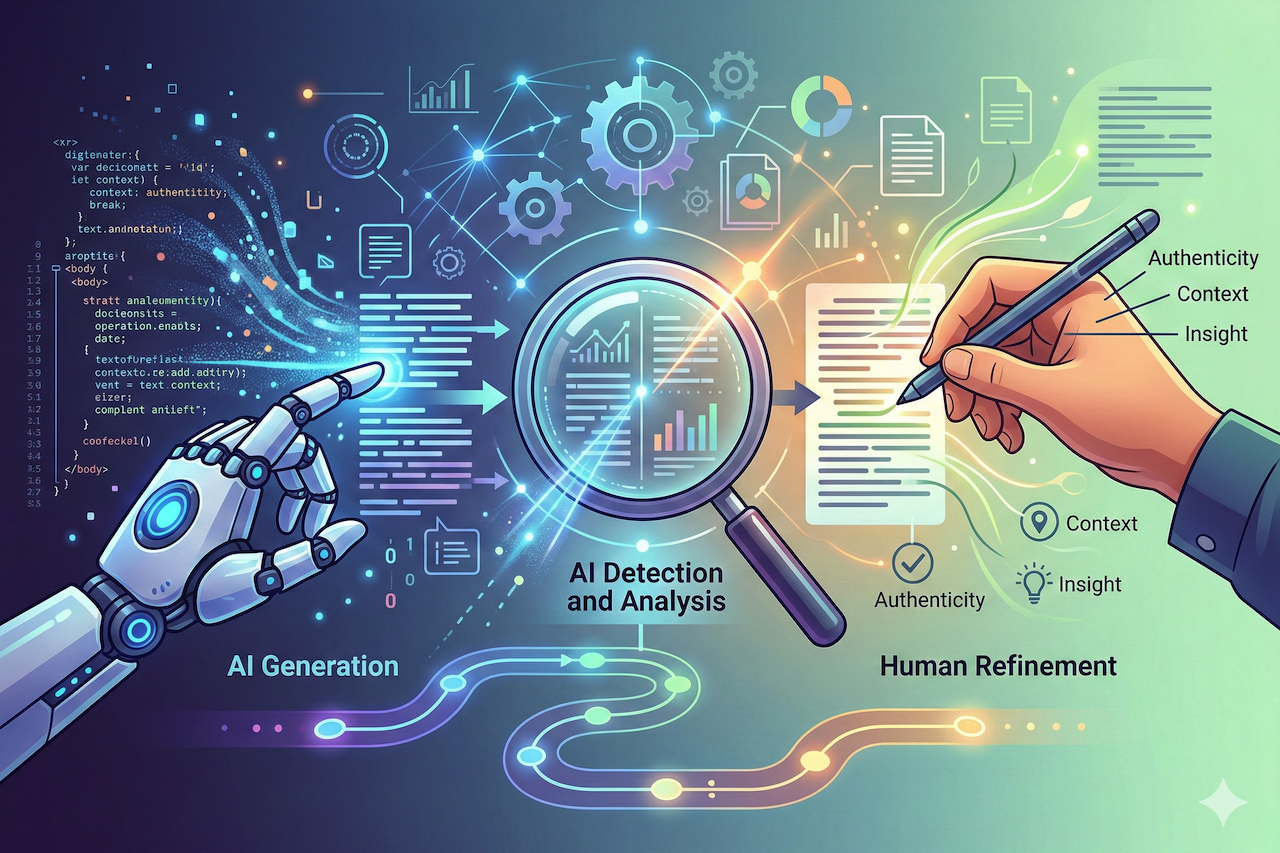
Artificial intelligence has transformed how content is created. From blog posts and academic writing to marketing copy and technical documentation, AI tools are now part of everyday workflows. However, as AI-generated content becomes more common, detection tools have also advanced. In 2026, organizations, educators, and search engines increasingly rely on AI detection systems to maintain authenticity and trust.
This has created a new challenge: how to produce high-quality, human-like content while using AI responsibly and ethically.
Why AI Detection Matters in 2026
AI detection plays a growing role across industries. Educational institutions use it to maintain academic integrity, businesses rely on it to ensure brand credibility, and search engines prioritize authentic content.
According to recent research from McKinsey, about 55% of organizations report using artificial intelligence in at least one business function, reflecting widespread adoption across industries. At the same time, technology analysts and research firms such as Gartner expect AI-generated or AI-assisted content to represent a substantial share of digital information by 2030 as automation becomes embedded in marketing, customer service, and enterprise workflows.
This rapid adoption means that simply generating text is no longer enough. Content must demonstrate originality, context, and human insight.
How AI Detection Tools Work
AI detection tools analyze writing patterns using statistical and linguistic models. They look for:
- Predictable language structures
- Repetition or uniform sentence length
- Low variability in tone
- Patterns common in large language models
Many systems evaluate perplexity and burstiness, which measure unpredictability and variation in writing style. Human writing often includes inconsistencies, emotional nuance, and context shifts that AI struggles to replicate consistently.
Challenges and Limitations of AI Detection
Despite technological advances, detection tools remain imperfect. Experts and industry reports have raised concerns about false positives, with some systems incorrectly labeling human-written content as AI-generated, particularly when the writing is clear, structured, or optimized for readability. Researchers and technology developers have emphasized that these tools should be used cautiously and not relied on as the sole method of evaluation.
Experts have also highlighted the ongoing “arms race” between detection and evasion. As generative models become more advanced, they increasingly mimic human writing patterns. Researchers warn that detection accuracy may continue to decline as AI evolves.
Because of these limitations, most organizations now treat detection as a supporting tool rather than a definitive solution.
Ethical and Responsible Use of AI Content
Instead of focusing only on bypassing detection, a more sustainable approach is responsible use. Ethical AI writing includes:
- Transparency in workflows
- Human editing and fact-checking
- Original research and analysis
- Avoiding plagiarism or misinformation
This shift reflects a broader industry trend. Companies are moving from “AI replacement” toward “AI augmentation,” where technology supports human creativity rather than replacing it.
Practical Ways to Improve Human-Like Writing
Producing authentic content requires more than paraphrasing. The most effective strategies include:
- Add Personal Context: Human writing includes experiences, opinions, and real-world examples. Incorporating these elements increases originality.
- Vary Sentence Structure: Use different sentence lengths, rhetorical questions, and transitions to create natural flow.
- Focus on Depth: AI often produces surface-level information. Adding research, statistics, and expert insights improves credibility.
- Use Hybrid Workflows: Generate drafts with AI, then refine them through human editing and subject-matter expertise.
Tools That Help Refine AI-Generated Text
A growing number of writing and editing platforms help improve authenticity and readability. These tools focus on clarity, tone, and natural expression rather than simply bypassing detection.
For example, platforms such as UnAIMyText help refine AI-generated drafts by enhancing readability, adjusting tone, and supporting natural language structure. Many professionals use these tools as part of a broader workflow that combines AI assistance with human creativity and review.
The Future of AI and Content Authenticity
Looking ahead, the focus is shifting from detection to verification. Technologies such as:
- Digital watermarking
- Content provenance tracking
- Blockchain verification
- Identity-linked authorship
are gaining attention as more reliable ways to establish authenticity.
Industry experts believe that hybrid models, where humans and AI collaborate, will become the dominant approach. Rather than replacing writers, AI will act as a productivity layer that enhances research, brainstorming, and drafting.
Conclusion
AI has made content creation faster and more accessible, but authenticity remains essential. The goal should not simply be bypassing detection systems but producing meaningful, high-quality writing that reflects human insight and expertise.
By combining AI efficiency with thoughtful editing, transparency, and ethical practices, creators can build trust while benefiting from technological innovation. In 2026 and beyond, the most successful content strategies will be those that balance automation with authenticity.
Disclaimer
This article is for informational and educational purposes only. It reflects general trends, research, and industry perspectives related to artificial intelligence and content creation as of the time of writing. The information provided should not be considered professional, legal, academic, or technical advice.
References to tools, platforms, and technologies are included for illustrative purposes and do not constitute endorsements or recommendations. Readers should independently evaluate any tools or solutions based on their specific needs, policies, and regulatory requirements.
The responsible and ethical use of AI depends on context, organizational guidelines, and applicable laws. Users should ensure compliance with academic, corporate, and regional standards when using AI-generated or AI-assisted content.
Featured Image generated by Google Gemini.
Related Articles
August 11, 2025
The Hidden Costs of Ignoring AI Detection and Humanization in 2025
Artificial intelligence has rapidly evolved from a niche innovation to a core component of content creation, marketing, and even cybersecurity workflows. By 2025, AI-generated...
Read More
January 28, 2025
The Future Of Creativity: AI in Content Creation
The world of content creation is undergoing a revolutionary transformation, with artificial intelligence (AI) at its forefront. Once considered a futuristic concept, AI has now bec...
Read More
December 19, 2023
Beyond Text: AI Readers and the Future of Audio Content Consumption
Artificial Intelligence (AI) has become an indispensable force, reshaping various facets of our daily lives. One of the intriguing domains where AI is making significant strides is...
Read More
Comments
Comments are available to signed-in users and are moderated to keep the discussion useful and respectful. Spam, automated submissions, and low-value promotional comments are removed. Outbound links may be approved when they are relevant and genuinely helpful to readers, but they are displayed as plain text rather than clickable hyperlinks.
No comments have been published yet.
Please sign in to submit a comment.