
Most pool owners don’t think about how their pool is cleaned — until the results start to feel inconsistent.
Pool cleaning has traditionally been approached as a manual or time-based task.
But modern systems operate very differently.
Instead of reacting to visible debris, a swimming pool robot functions as a continuous system that navigates, covers, and maintains the pool environment.
Understanding how this works helps explain why results can vary so significantly between traditional and automated approaches.
Because the difference isn’t just technical; it directly affects how stable the pool remains over time.
It’s the difference between maintaining a system and constantly correcting it.
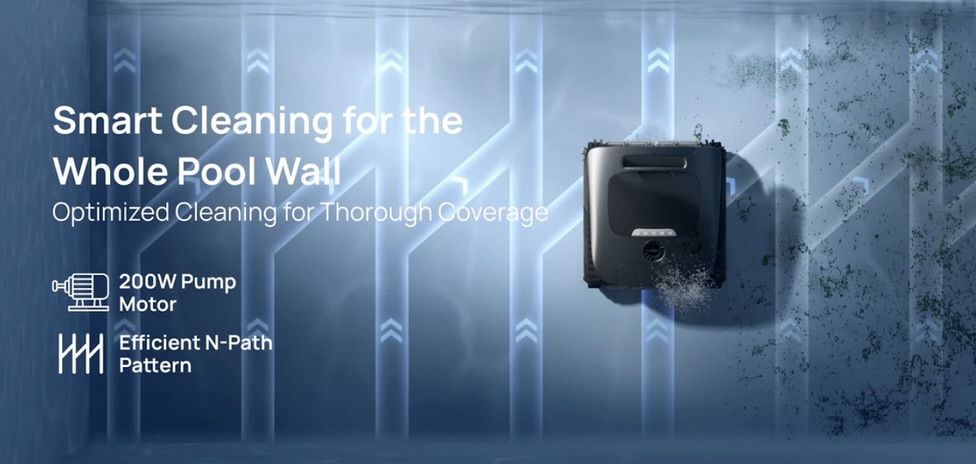
How Traditional Pool Cleaning Methods Actually Work
Most traditional cleaning methods rely on a combination of manual effort and circulation systems.
This typically includes skimmers, pumps, and occasional manual vacuuming. Each of these components plays a role, but they operate within a time-based framework.
Cleaning happens when someone initiates it.
Debris is removed when it becomes visible. Circulation redistributes particles, but does not guarantee uniform removal. The system depends on repeated intervention to maintain acceptable conditions.
In practice, this means the pool is periodically reset rather than continuously maintained.
How a Swimming Pool Robot Operates Differently
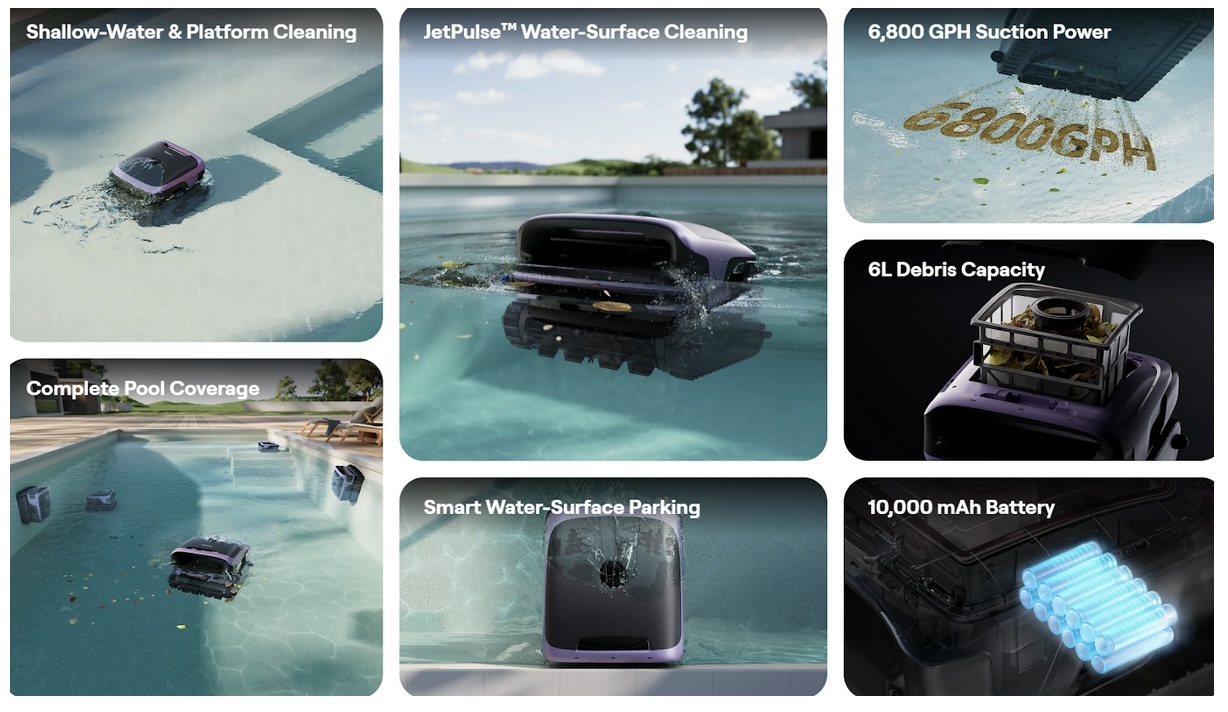
A swimming pool robot follows a different operational model.
Instead of waiting for intervention, it operates continuously within the pool environment. Movement is structured to achieve consistent surface coverage over time.
A swimming pool robot typically works by:
- Moving across the pool floor and walls
- Covering areas where debris accumulates
- Maintaining consistency across different zones
Instead of reacting to changes, the system works alongside them.
Why In-Ground Pools Are Harder to Maintain Consistently
In-ground pools introduce additional complexity.
Their structure is rarely uniform. Steps, slopes, varying depths, and design features all influence how debris moves and settles.
This creates uneven distribution.
Some areas collect debris quickly. Others remain relatively clear. Over time, these variations become more noticeable, especially when cleaning is not evenly applied.
This is why robotic pool cleaners for inground pools are designed with structural coverage in mind.
They do not treat the pool as a flat surface, but as a multi-layered environment.
How Coverage and Navigation Affect Cleaning Results
One of the most important factors in pool cleaning is coverage.
Traditional methods often rely on partial cleaning—focusing on visible areas or zones that appear to need attention. This leaves gaps in the system.
Modern robotic systems address this through consistent navigation and coverage logic.
Coverage consistency is more important than suction strength.
Because uneven debris distribution means that missing small areas repeatedly leads to a visible imbalance over time.
Rather than prioritizing visible debris, these systems aim to maintain balance throughout the entire pool.
Why Results Differ Between Manual and Automated Cleaning
The difference between manual and automated cleaning is not just about efficiency.
It is about structure.
Manual Cleaning
- Time-based
- Partial coverage
- Reactive
Automated Systems
- Continuous
- Full coverage
- Preventative
Manual systems respond after changes occur.
Automated systems reduce the impact of those changes before they become visible.
That structural difference is what drives the gap in results.
How Modern Systems Are Designed Around These Principles
Modern pool cleaning systems are built around continuous operation.
Rather than focusing on isolated cleaning cycles, they function as part of an ongoing maintenance layer.
This shift is reflected in newer systems hich are designed around continuous maintenance rather than isolated cleaning cycles.
Similarly, robotic pool cleaners for inground pools are designed to adapt to structural complexity, ensuring that variations across different areas are managed consistently.
The goal is not to clean more.
It is to maintain stability.
When These Differences Actually Matter
Not all pools show these differences immediately.
In simpler environments, with limited debris and stable conditions, manual methods can remain effective for the most part.
However, as variability increases, the limitations of interval-based cleaning become more apparent.
Changes in weather, increased usage, and structural complexity all contribute to uneven conditions.
That is when the difference between approaches becomes clear.
Conclusion
The difference isn’t how well a pool is cleaned today.
It’s whether it needs to be corrected again tomorrow.
Understanding how these systems work makes it clear: stability comes from continuous maintenance, not repeated correction.
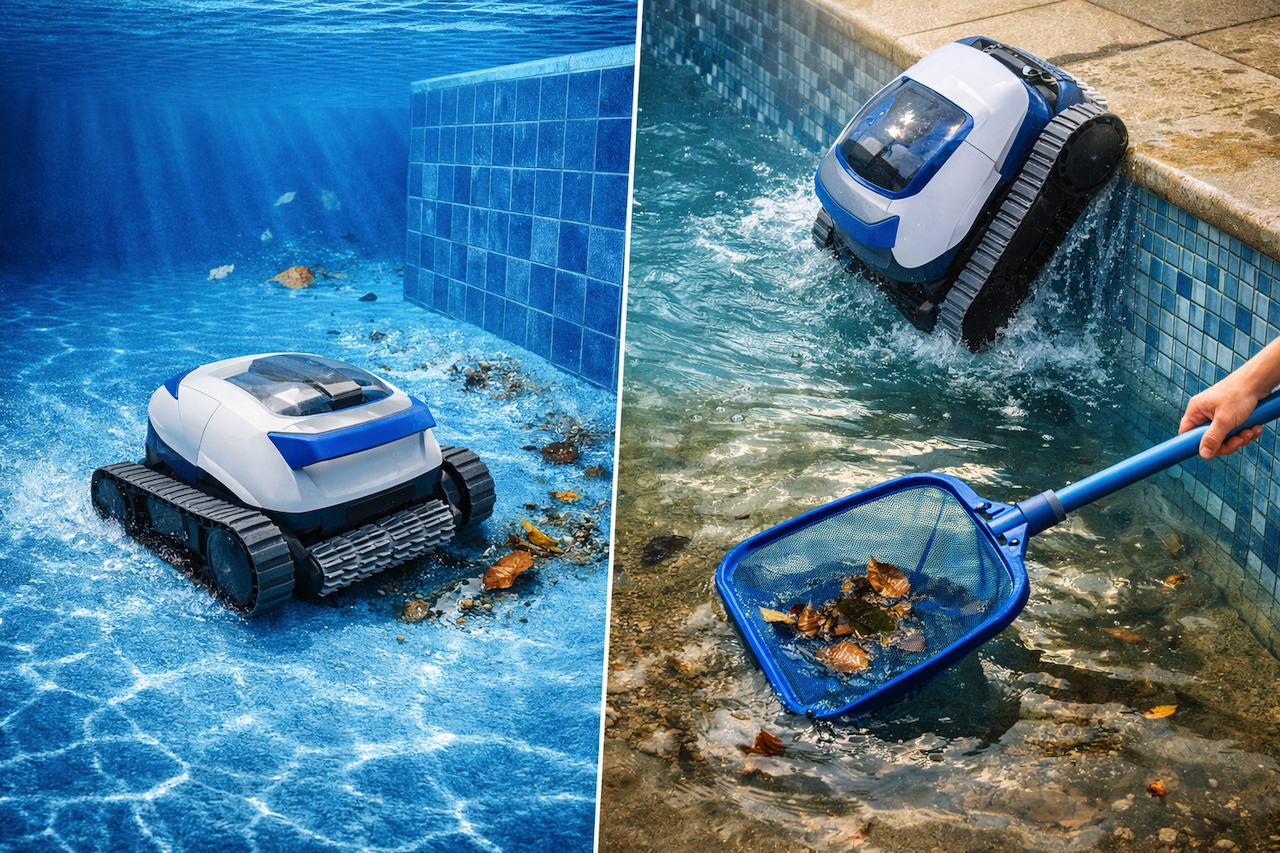
Featured Image generated by ChatGPT.
Share this post
Leave a comment
All comments are moderated. Spammy and bot submitted comments are deleted. Please submit the comments that are helpful to others, and we'll approve your comments. A comment that includes outbound link will only be approved if the content is relevant to the topic, and has some value to our readers.
Comments (0)
No comment