

Picture this. You land on a website, you need something specific, and within about thirty seconds you realize you are not going to find it. No help. No direction. Just a menu that goes nowhere useful and a contact form you are definitely not filling out.
So you leave.
Now imagine the opposite: a site that actually feels like it is paying attention. One that meets you where you are, answers your question before you have to hunt for it, and makes the whole thing feel almost effortless. That experience does not happen by accident.
The gap between a website that frustrates and one that genuinely works comes down to how well it communicates. And the tools available right now to close that gap? They are better than most people realize.
Your Visitors Have Changed. Does Your Website?
People visiting websites today are not patient browsers. They are on a mission. They want a specific answer, a specific product, a specific solution, and they want it fast. If your site does not deliver quickly, they are gone, probably to a competitor who does.
This shift has made reducing friction less of a "nice to have" and more of an actual business priority. And it has pushed smart website owners to start thinking differently about the tools sitting underneath the surface of their sites.
Two categories stand out right now. Tools that help you understand who your visitors actually are. And tools that help you engage them the moment they arrive.
Both matter more than most people give them credit for.

Knowing Who Is Visiting Before You Say a Word
Real engagement starts before a single word of content is read. It starts with context.
Where is a visitor coming from? What kind of device are they on? Is this their first visit or their fifth? These details shape everything about what a good experience looks like for them, but most website owners never think to look at this layer at all.
Network and location intelligence is one of the quieter, more underrated areas of website optimization. An IP address lookup tool, for example, gives you a surprisingly useful window into the technical and geographic profile of your traffic. If a large chunk of your visitors are on slower mobile connections, that is a signal to strip down your page weight. If traffic is clustering around a particular region, there is a content opportunity right there.
None of this is about surveillance. It is about making informed decisions instead of guessing.
The point is simple: the more context you have about who is visiting, the smarter your site can be about what to show them and how to show it.
Traffic Without Engagement Is Just a Number
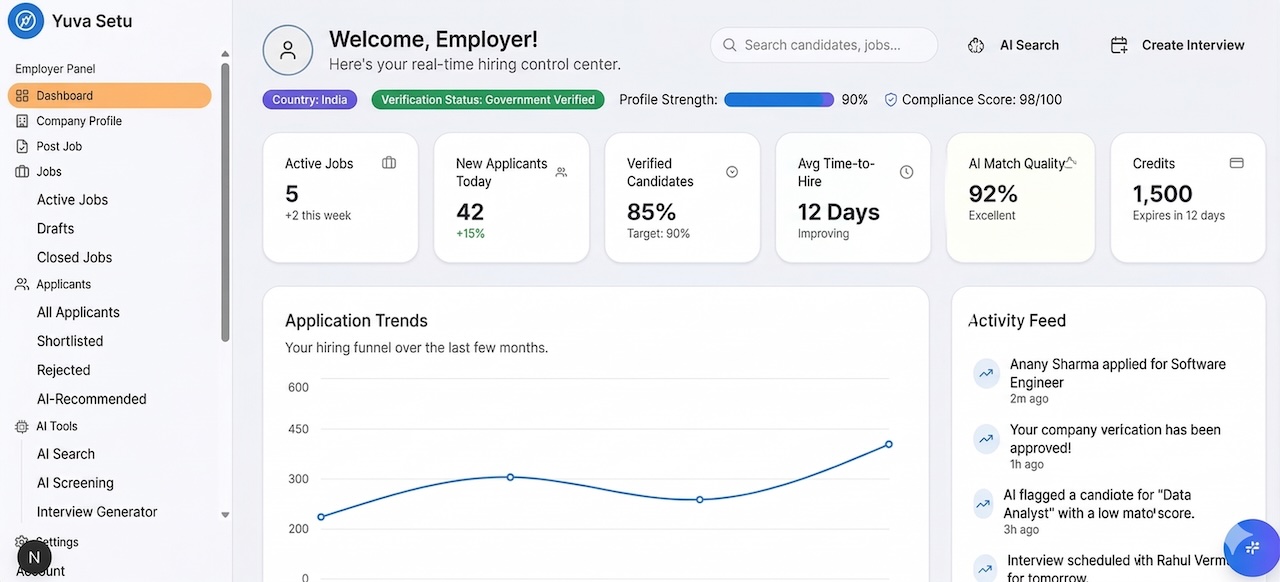
Here is something a lot of site owners learn the hard way. You can pour money into ads and content and SEO, drive impressive traffic numbers, and still wonder why nothing is actually converting.
Traffic without engagement is noise.
Engagement is what transforms a passive visitor into someone who actually does something. Book a call. Make a purchase. Sign up. Come back. It is built through relevance and responsiveness, through a site that makes a visitor feel like it was built for them rather than for everyone in general.
Conversational tools have become one of the most effective ways to build that kind of engagement. And not just any chatbot thrown up on a corner of the screen that answers two questions before giving up. The good ones are genuinely capable of holding a helpful, context-aware conversation.
If you are looking to make a real improvement here, the starting point is understanding what actually separates a useful implementation from a frustrating one. Finding the right AI chatbot for website setup is not about chasing the most feature-heavy platform. It is about matching the tool to how your visitors actually behave and what they are genuinely trying to do when they land on your site.
The best chatbot experience is almost invisible. The visitor asks something, gets a genuinely useful answer, and moves forward. No dead ends. No "I didn't understand that." No feeling of talking to a wall.
What makes one approach work better than another usually comes down to three things: how naturally it understands the real range of questions your visitors ask, how well it connects to your actual content and knowledge base, and how gracefully it hands off to a human when it reaches its limits.
The Practical Difference It Makes
Consider two versions of the same website. Same products. Same prices. Similar design. One relies on static navigation and a contact form. The other has a layer of intelligence built in: it recognizes context, surfaces relevant content, and offers a real-time conversational option that can actually answer questions instead of routing visitors to a FAQ page.
Which one converts better?
Obviously the second one. But the interesting part is the compounding effect. Every visitor who gets what they need quickly is more likely to return. Every return visit is more likely to convert. A single good experience has a ripple effect that basic traffic metrics will never show you.
The problem is that not every implementation delivers on that promise. A chatbot that handles only a handful of questions well, then fails awkwardly on anything else, does not build trust. It erodes it. Getting the experience right from the start matters more than moving fast.
Building a Site That Actually Thinks
The common thread running through all of this is intent. The websites that consistently outperform are not always the ones with the biggest budgets or the flashiest design. They are the ones that have been built to actually respond to their visitors.
A site that uses network data to understand context. That uses conversational tools to meet visitors in real time. That fills content gaps instead of leaving visitors stranded. That measures what is actually happening and adjusts.
That is a thinking website. And building one is more accessible than it sounds.
You do not need to overhaul everything at once. A useful sequence is:
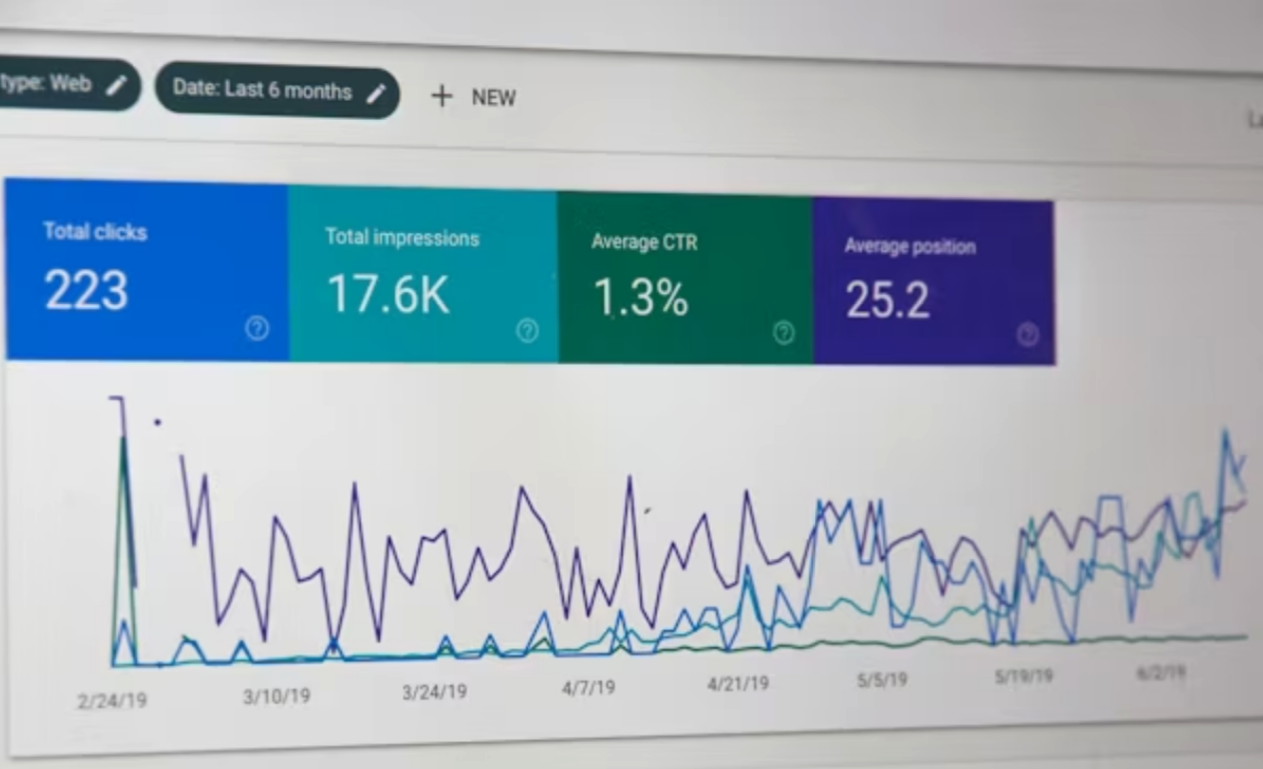
- Start with the data layer. Understand who is visiting, how they are arriving, and where they are dropping off. Without this baseline, everything else is guesswork.
- Then audit your content honestly. Walk your site like a first-time visitor who knows nothing about your business. Where do they get stuck? What questions come up that your content never answers? Those are your gaps.
- Once you know the gaps, layer in your engagement tools. A well-configured conversational tool that handles your ten most common questions brilliantly is worth ten times more than one that tries to do everything and does it poorly.
- Then measure. Adjust. Repeat.
Conclusion
Building a smarter website is not about adding more tools. It is about using the right ones in the right way to reduce friction and improve how visitors experience your site.
Understanding your audience through data, engaging them in real time, and continuously refining the experience creates a system that improves over time. The result is not just better metrics, but stronger trust and long-term growth.
The technology to do this is already accessible. What matters is how intentionally it is applied. When done right, visitors may not notice the tools behind the scenes, but they will notice that your site works. And that is what keeps them coming back.
Featured Image generated by ChatGPT.
Share this post
Leave a comment
All comments are moderated. Spammy and bot submitted comments are deleted. Please submit the comments that are helpful to others, and we'll approve your comments. A comment that includes outbound link will only be approved if the content is relevant to the topic, and has some value to our readers.
Comments (0)
No comment