
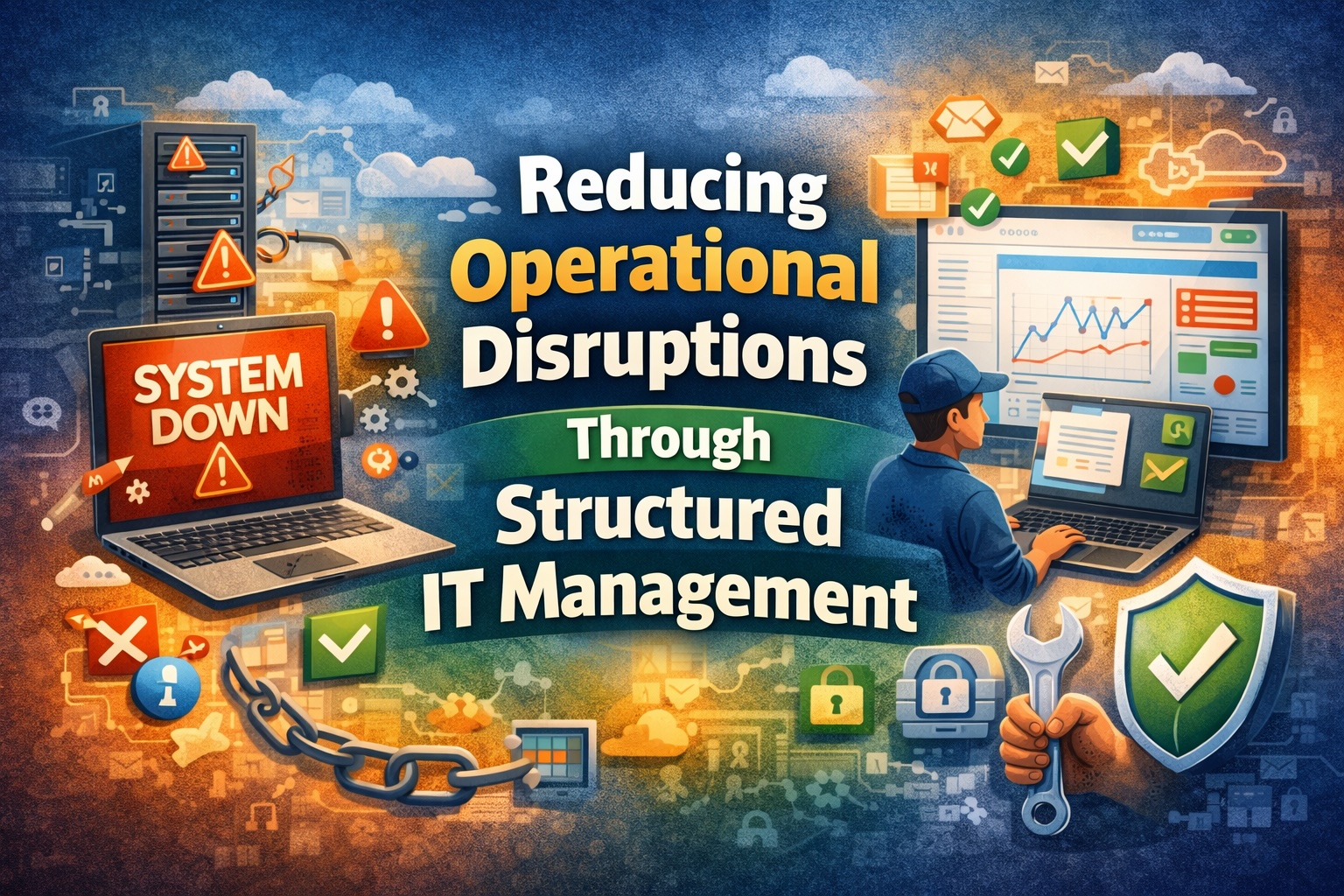
For many businesses, technology is deeply embedded in daily operations. Emails, internal tools, customer systems, and data platforms all depend on stable infrastructure. When something fails, even briefly, it can interrupt workflows, delay communication, and impact overall productivity.
Downtime is not always caused by major system failures. In many cases, it results from smaller issues that build up over time. Outdated software, missed updates, misconfigured systems, or insufficient monitoring can all contribute to interruptions. These problems often go unnoticed until they begin to affect daily operations.
Businesses that rely heavily on digital tools need a way to minimize these disruptions. One common approach is to reduce IT downtime with managed services, which focus on maintaining system stability through continuous monitoring and structured maintenance.
A key difference between reactive and proactive IT management lies in timing. Reactive approaches address problems after they occur. This often leads to delays, as issues must first be identified and then resolved. Proactive systems, on the other hand, monitor infrastructure continuously. Potential risks are detected early, often before they cause visible problems.
This shift in approach can significantly reduce interruptions. Regular system checks ensure that updates are applied, vulnerabilities are addressed, and performance remains stable. Instead of waiting for failures, systems are maintained in a way that prevents them.
Another important factor is system visibility. Without proper monitoring, businesses may not have a clear understanding of how their systems are performing. Managed services often include tools that track performance metrics, detect anomalies, and provide insights into system behavior. This information helps identify weak points and allows for targeted improvements.
Security also plays a role in reducing downtime. Many interruptions are linked to security incidents, such as unauthorized access or malware. Structured security measures, including access controls, monitoring, and regular updates, help prevent these situations. A well-maintained system is less likely to experience disruptions caused by external threats.
Consistency across systems is another advantage. In many organizations, different departments use different tools and setups. This can create compatibility issues and increase the risk of errors. Managed services often introduce standardized environments, making systems easier to manage and reducing the likelihood of technical conflicts.
Scalability is also relevant. As businesses grow, their IT infrastructure becomes more complex. New users, additional tools, and larger data volumes increase the risk of instability if not managed properly. A structured approach allows systems to scale without introducing unnecessary risk.
Response time is another area where improvements can be seen. When issues do occur, having predefined processes and support structures in place allows for faster resolution. Instead of searching for the source of a problem, teams can follow established procedures to address it efficiently.
Internal teams often benefit from this structure as well. When routine maintenance and monitoring are handled externally, internal staff can focus on tasks that directly contribute to business growth. This reduces pressure and allows for better allocation of resources.
Planning also becomes more predictable. Without structured management, IT-related costs can vary significantly due to unexpected repairs or emergency interventions. Managed services often provide a more consistent framework, making it easier to anticipate and manage expenses.
Conclusion
Downtime cannot be eliminated entirely, but it can be reduced significantly through consistent system management. By focusing on prevention, monitoring, and structured processes, businesses can maintain stable operations and avoid unnecessary disruptions.
A reliable IT environment supports not only daily tasks but also long-term growth. When systems run consistently, teams can work without interruption, communication flows smoothly, and business processes remain efficient.
Featured Image generated by ChatGPT.
Share this post
Leave a comment
All comments are moderated. Spammy and bot submitted comments are deleted. Please submit the comments that are helpful to others, and we'll approve your comments. A comment that includes outbound link will only be approved if the content is relevant to the topic, and has some value to our readers.
Comments (0)
No comment