
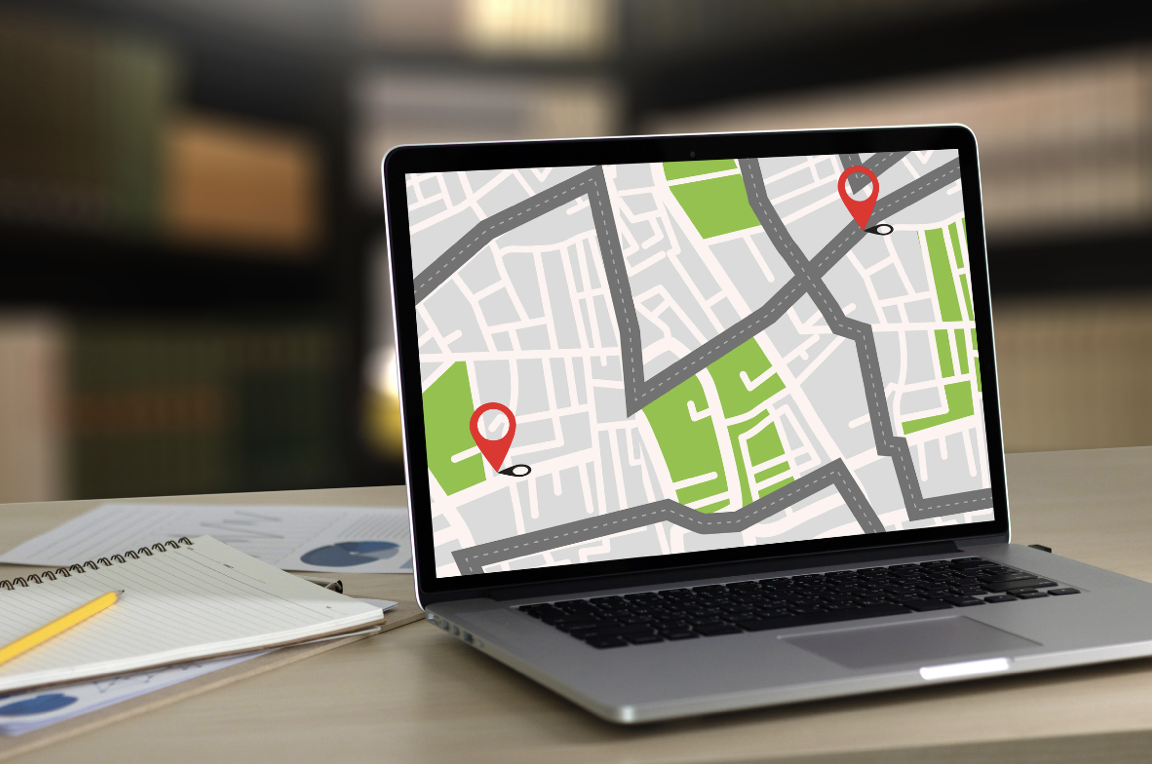
The financial sector has undergone a remarkable digital transformation over the past decade, with technology reshaping how lenders assess risk, verify identities, and serve customers. At the heart of this evolution lies geolocation technology—a sophisticated system that maps IP addresses to real-world geographic locations. For business lenders, this technology has become an indispensable tool in combating fraud, streamlining applications, and enabling faster funding decisions.
Understanding IP Geolocation in Financial Systems
IP-based geolocation works by matching a device’s IP address to specific geographic coordinates, including country, region, city, and even approximate latitude and longitude. When a business owner applies for financing through an online platform, their connection immediately generates data points that lenders analyse to verify authenticity and assess risk.
The technology relies on comprehensive databases maintained by providers such as MaxMind, IP2Location, and DB-IP. These databases continuously update their records to reflect the dynamic nature of internet infrastructure, ensuring lenders have access to current information when evaluating applications. Modern geolocation systems can achieve accuracy rates of 95% to 99% for country-level identification, with city-level accuracy ranging between 50% and 75%—sufficient precision for most lending verification purposes.
Fraud Detection and Prevention

Financial fraud continues to pose a significant challenge, making robust verification systems essential for digital lending environments. Geolocation technology serves as a critical first line of defence against fraudulent applications and identity theft.
When an application originates from an IP address that doesn’t match the business’s stated location, it triggers immediate scrutiny. For instance, if a company’s loan application comes from an unexpected or unrelated region, the system flags this discrepancy for manual review. This simple check catches a significant percentage of suspicious applications before they consume valuable underwriting resources.
Proxy detection tools enhance this protective layer by identifying when applicants attempt to mask their true location using VPNs, proxy servers, or anonymous browsers. Whilst legitimate users may occasionally use these technologies for privacy, their presence in financial applications warrants additional verification steps to ensure compliance and protect against sophisticated fraud schemes.
Streamlining the Application Process
Business owners value speed and convenience when seeking capital. Traditional lending processes can take weeks to complete, requiring extensive documentation and multiple verification steps. Digital lending platforms offering online business loans and leveraging geolocation technology have significantly improved this experience, often enabling faster decision-making.
The technology allows lenders to automatically verify that applications originate from appropriate jurisdictions, ensuring alignment with regulatory and operational requirements. This geographic verification happens almost instantly, allowing systems to focus more on evaluating business fundamentals rather than basic location validation.
Geolocation data also helps lenders incorporate regional economic context into their assessments. Businesses operating in different areas may face varying market dynamics, industry conditions, and risk profiles. By identifying an applicant’s location, lenders can apply more informed risk models that reflect these differences.
Regulatory Compliance and Responsible Lending
Financial institutions operate under strict regulatory frameworks designed to promote transparency and consumer protection. Geolocation technology supports compliance efforts by maintaining detailed records of where applications originate and how they are processed, particularly in environments where quick business funding options require faster yet compliant decision-making.
Geographic verification helps ensure that lenders operate within permitted jurisdictions and adhere to relevant requirements. This becomes particularly important when dealing with businesses that operate across multiple regions or maintain complex structures.
Additionally, geolocation supports responsible lending practices by providing context around local economic conditions. Whilst this information does not determine outcomes on its own, it can contribute to more balanced and informed assessments of repayment capacity.
Multi-Layered Verification Systems

Modern lending platforms rarely rely on geolocation alone. Instead, they implement multi-factor verification systems that combine IP analysis with document verification, financial data review, and identity checks.
The process typically works as follows: an applicant submits their details through an online form, triggering an automatic geolocation check. If the IP address aligns with the stated business location, the application proceeds to document verification. The system then validates identity documents using technologies such as optical character recognition and liveness detection, whilst simultaneously analysing financial data to confirm transaction patterns and cash flow.
Throughout this process, tools for verifying email addresses and checking proxy usage operate in the background, building a comprehensive risk profile without requiring additional effort from the applicant. This integration of security measures enables efficient processing without compromising risk management.
Location-Based Insights
Beyond verification, geolocation enables lenders to incorporate location-based insights into their decision-making processes. Businesses often require funding for purposes influenced by their operating environment, such as expansion, staffing, or supply chain activities.
By understanding an applicant’s geographic context, lenders can better interpret financial data and identify potential risks or opportunities. Some systems also use this information to provide broader insights that may support strategic decision-making.
The Future of Geolocation in Financial Systems
As technology evolves, the sophistication of geolocation capabilities continues to improve. Mobile applications now incorporate additional location signals alongside traditional IP geolocation, providing greater accuracy and improved fraud detection. Advances in artificial intelligence allow systems to analyse patterns across large datasets and identify emerging risks more effectively.
These developments are expected to further enhance the balance between security, efficiency, and user experience in lending processes. For businesses, this means faster decisions, more tailored outcomes, and stronger protection against fraudulent activity.
Conclusion
Geolocation technology has become a fundamental component of modern business lending, enabling a balance between speed, security, and efficiency. By verifying location, detecting fraud, and supporting compliance, these systems allow lenders to streamline processes while maintaining strong safeguards.
As digital lending continues to evolve, geolocation will remain a key enabler of innovation, incorporating new data sources and analytical techniques to improve both risk management and user experience. This technology demonstrates how digital advancements can enhance financial processes while supporting a more efficient and secure lending ecosystem.
Featured Image generated by ChatGPT.
Share this post
Leave a comment
All comments are moderated. Spammy and bot submitted comments are deleted. Please submit the comments that are helpful to others, and we'll approve your comments. A comment that includes outbound link will only be approved if the content is relevant to the topic, and has some value to our readers.
Comments (0)
No comment