
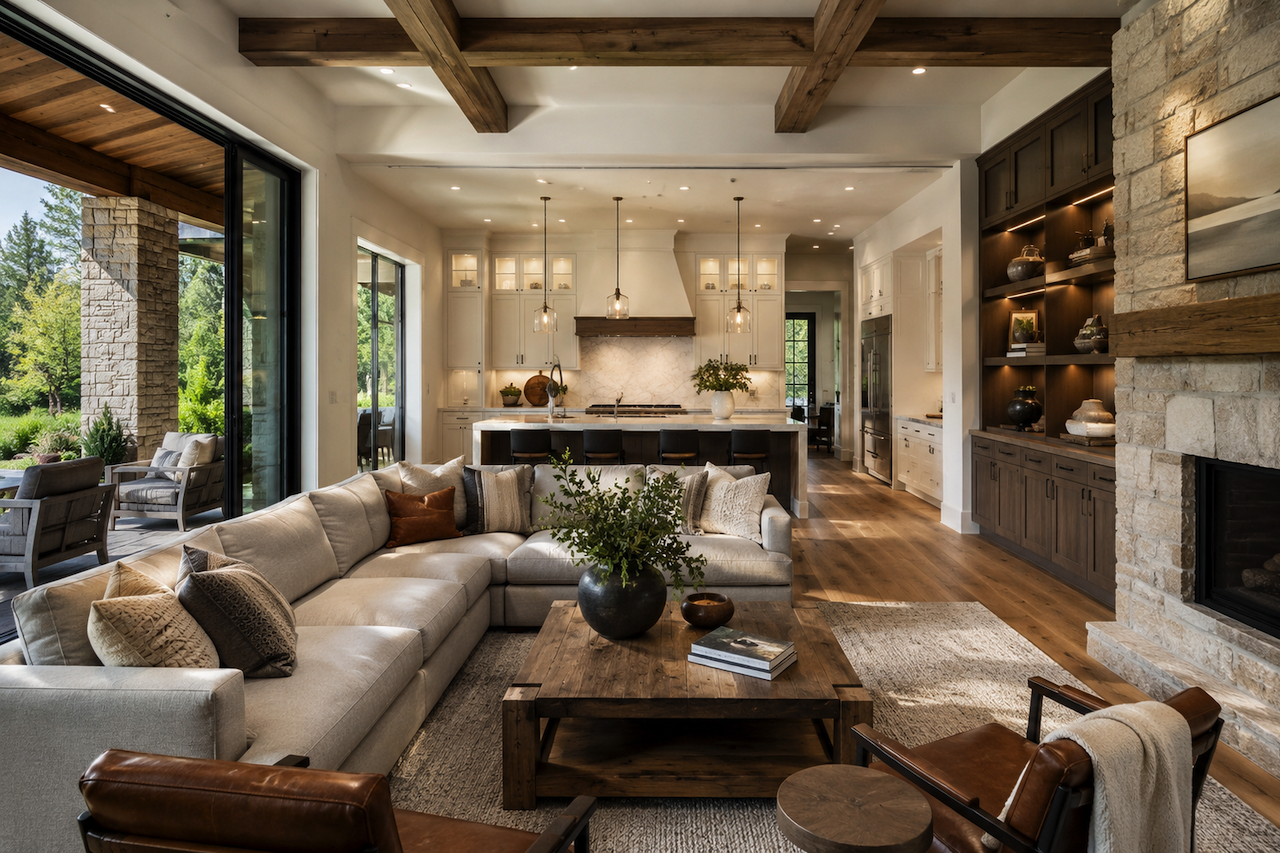
Building a home that genuinely reflects who you are isn't just about square footage or floor plans. It's about the decisions made throughout the design and construction process, the materials selected, the attention given to details, and the standards maintained long after construction is complete.
Expert craftsmanship turns raw materials into spaces that feel intentional, personal, and built to last. Many homeowners encounter unexpected costs during construction and renovation projects, making it important to understand how design decisions, materials, and workmanship affect both long-term costs and overall satisfaction. Real craftsmanship doesn't just create beautiful homes; it helps protect your investment at every stage of the process.
The Signature Difference: What Sets Exceptional Craftsmanship Apart
Knowing why craftsmanship matters is only the starting point. The sharper question is what actually separates an exceptional living space from one that simply looks good on the surface.
Experience Rooted in Environment and Design Context
Climate, terrain, and local building conditions all influence how a home performs over time. Material choices, foundation design, insulation, and ventilation strategies are not merely aesthetic considerations; they play a major role in durability, efficiency, and comfort. Experienced design and construction professionals, including custom home builders, often evaluate these factors early in the planning process to improve long-term performance.
Homes designed with these factors in mind often perform better over the long term, balancing functionality, resilience, and visual appeal.
Thoughtful Design from Concept to Completion
True customization means that a home reflects how people actually live. Floor plans, ceiling heights, storage solutions, and window placement should support everyday routines rather than forcing occupants to adapt to a predetermined design.
The most successful projects blend personal preferences with sound architectural and construction principles, creating spaces that feel both distinctive and practical.
Superior Material Selection for Longevity and Beauty
Even the most thoughtfully crafted design is only as durable as the materials used to bring it to life. High-quality residential projects often incorporate natural stone, hardwoods, high-performance glass, durable finishes, and energy-efficient building materials selected for both appearance and longevity.
The result is a home that not only looks exceptional but also stands up better to years of daily use.
Craftsmanship in Action: Building Elements That Define Exceptional Homes
Understanding what distinguishes exceptional craftsmanship is one thing. Seeing how those qualities appear in the physical structure of a home is where the real conversation begins.
Structural Precision and Long-Term Durability
There is a meaningful difference between standard construction and precision construction. Well-designed homes account for environmental conditions, soil characteristics, weather patterns, and long-term structural performance from the earliest planning stages.
That attention to detail often results in straighter walls, stronger foundations, and fewer issues emerging years after completion.
Custom Woodwork, Cabinetry, and Built-Ins
Handcrafted features often provide both aesthetic and practical advantages. Custom cabinetry, integrated storage, library walls, mudrooms, and specialty rooms can be designed to fit the exact needs of the occupants while delivering a level of quality that mass-produced solutions rarely match.
These details often become some of the most distinctive elements within a home.
Seamless Indoor-Outdoor Living Spaces
Expert craftsmanship doesn't stop at the exterior walls. It extends outward, creating smooth transitions between indoor and outdoor living areas. Advanced patio doors, integrated decks, covered patios, and thoughtfully designed outdoor kitchens can make surrounding spaces feel like a natural extension of the home itself.
Energy Efficiency and Smart Home Integration
Those seamless indoor-outdoor connections become even more valuable when the home itself is designed to perform efficiently. Precision installation of insulation, windows, and HVAC systems improves comfort while helping reduce long-term energy costs. Smart home technology integrated during the design and construction process can further improve convenience, efficiency, and everyday usability.
Finishing Touches: Details That Elevate the Everyday
Once the major systems are in place, the final layer of craftsmanship takes over. Artisan tile work, custom lighting, handcrafted hardware, and bespoke fixtures are often the details that distinguish a well-built house from an exceptional living space. These elements do more than decorate a room. They contribute to the home's character and identity.
Value Beyond the Blueprint
Every handcrafted detail contributes to something larger than aesthetics alone. Exceptional craftsmanship can influence long-term durability, maintenance costs, comfort, and resale value.
Thoughtful Planning and Communication
Successful residential projects typically involve clear communication, detailed planning, and careful coordination throughout the design and construction process. Visualization tools, milestone updates, and collaborative decision-making help homeowners stay informed and reduce costly misunderstandings.
Enduring Value and Higher Resale Potential
Craftsmanship matters at resale, too. Homes built with attention to detail often retain value more effectively because quality construction, durable materials, and thoughtful design are recognizable to both buyers and appraisers. That advantage is built into every finish, fixture, and structural decision made throughout the project.
Long-Term Performance and Maintenance
Protecting long-term value doesn't end when construction is complete. Durable materials, quality workmanship, and regular maintenance planning can help reduce repair costs and extend the lifespan of major systems and finishes.
Trends and Innovations in Residential Craftsmanship
Beyond timeless quality, residential design and construction continue to evolve. Growing interest in artisan-built homes and customized living spaces reflects a broader desire for homes that prioritize quality, individuality, and long-term performance.
Sustainable Building Practices Shaping the Future
Passive solar design, net-zero construction, and energy-efficient building standards are increasingly moving from niche preferences to mainstream expectations. These approaches often reduce operating costs while improving comfort and environmental performance.
Wellness-Oriented Living Space Features
Building sustainably and supporting personal well-being are often connected goals. Home gyms, spa-inspired bathrooms, biophilic design principles, advanced air filtration systems, and natural lighting strategies are becoming increasingly common features in modern homes.
Collaborating With Skilled Artisans
Advanced construction techniques provide structural performance, but artisan craftsmanship often provides personality. Custom metalwork, handcrafted wood details, decorative glass, murals, and bespoke finishes can create one-of-a-kind features that help distinguish a home from mass-produced alternatives.
Final Thoughts on Craftsmanship and Exceptional Living
Expert craftsmanship isn't a premium add-on. It's the foundation of the decisions that shape how a home looks, performs, and holds its value over time. From structural precision to artisan finishing details, quality built into every layer can continue delivering benefits long after construction is complete.
Homeowners who prioritize craftsmanship aren't simply creating a place to live. They're investing in comfort, durability, functionality, and a living environment designed to perform well for years to come.
 FAQs
FAQs
Yes. Quality workmanship can help minimize structural issues, material failures, and system inefficiencies. Homes built with attention to detail often require fewer major repairs and less frequent maintenance over time.
Many modern homes incorporate energy-efficient insulation, windows, HVAC systems, and smart controls as standard features. Some projects also include passive solar design, renewable energy systems, or net-zero construction strategies.
Custom features such as handcrafted cabinetry, artisan tile work, custom lighting, and bespoke fixtures often increase buyer appeal and can contribute positively to a home's perceived and appraised value.
Featured Image generated by ChatGPT.
Share this post
Leave a comment
All comments are moderated. Spammy and bot submitted comments are deleted. Please submit the comments that are helpful to others, and we'll approve your comments. A comment that includes outbound link will only be approved if the content is relevant to the topic, and has some value to our readers.
Comments (0)
No comment