
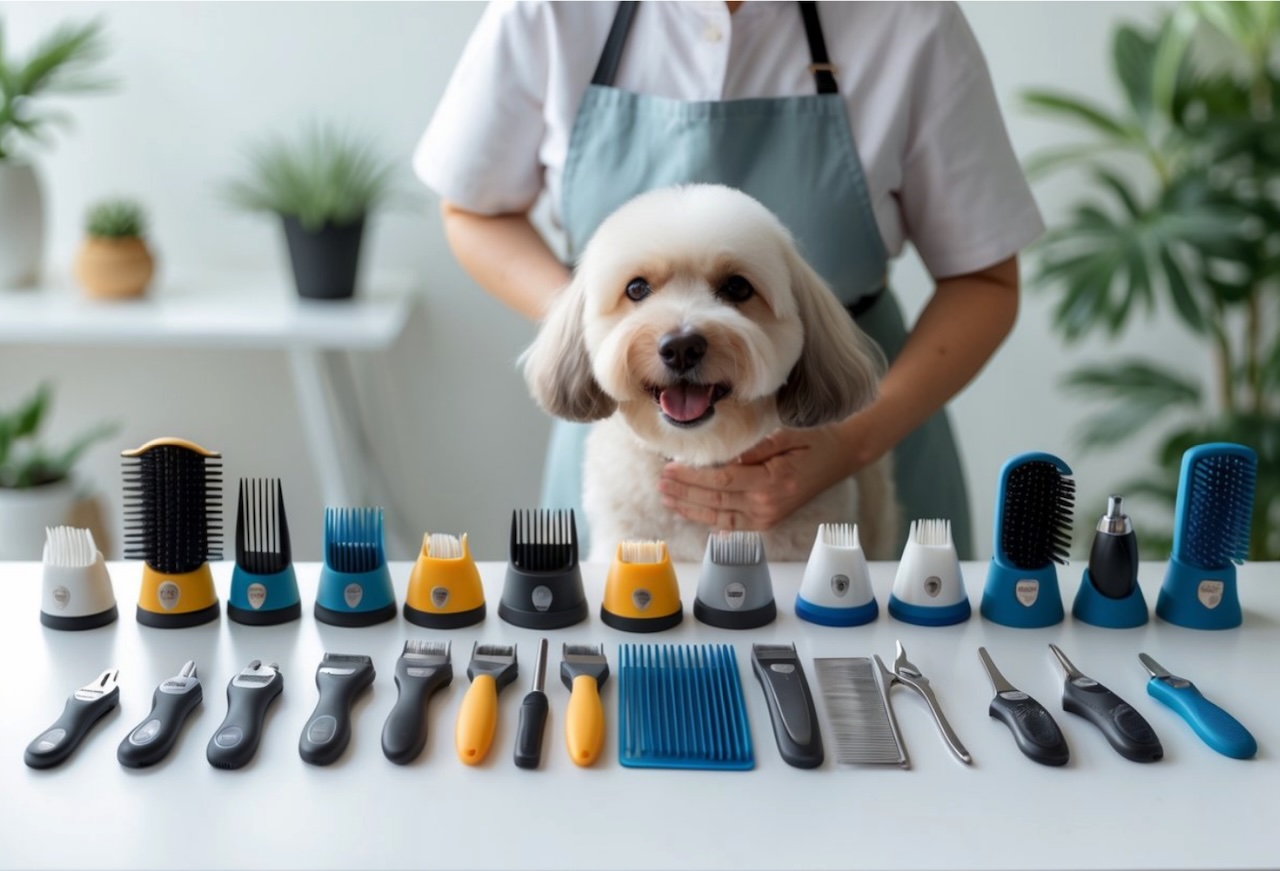
Choosing the right pet grooming tools is essential for maintaining a pet's health and appearance. With countless options available, it can be overwhelming for pet owners to find what fits their pet's specific needs. By understanding the different types of grooming tools and their functions, pet owners can ensure effective grooming that promotes a clean and healthy coat.
Pet grooming is more than just enhancing a pet's appearance; it plays a crucial role in a pet's overall well-being. Certain tools are better suited for different coat types and grooming needs. Knowing whether to use a slicker brush, a de-shedding tool, or a grooming glove can make a significant difference in the grooming experience. Equipping oneself with the right information and tools allows pet owners to bond with their pets while ensuring comfort during grooming sessions. Learning about proper grooming techniques and choosing the appropriate tools leads to healthier pets and happier owners.
Determine Your Pet’s Coat Type
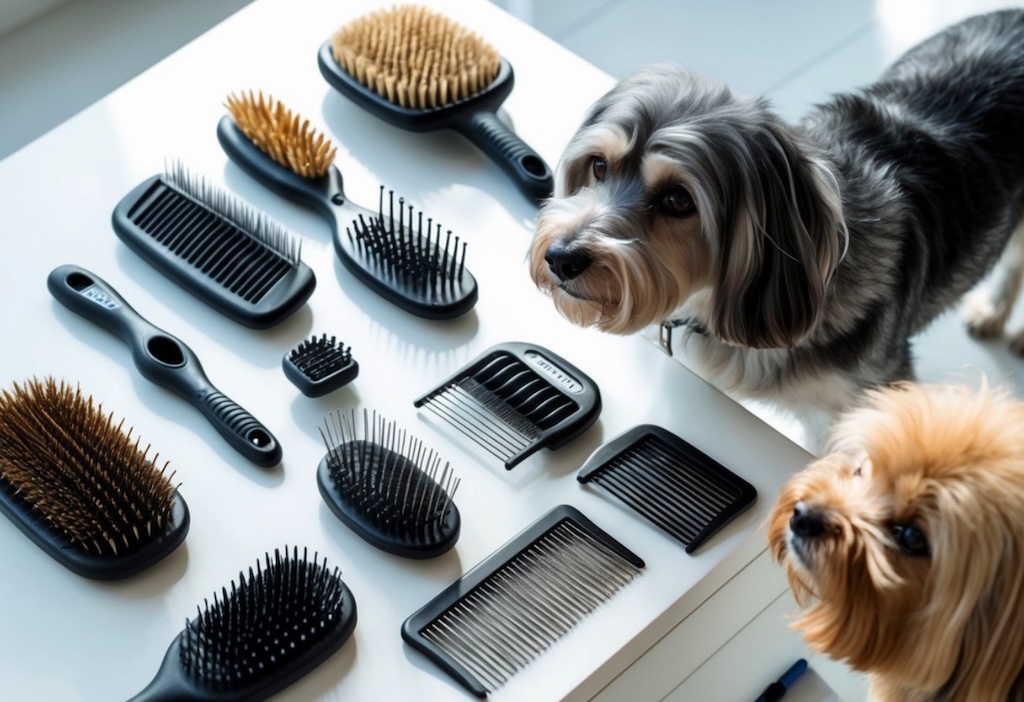
Identifying a pet's coat type is crucial for selecting the right grooming tools and techniques. Understanding the coat's length, texture, and grooming needs helps keep pets healthy and comfortable.
Understanding Coat Length and Texture
Coats vary in length and texture, affecting how often they need grooming. Common coat lengths include:
- Short: Dogs like Beagles or Boxers have short fur that lies close to the skin. They require minimal grooming, primarily brushing to remove loose hair.
- Medium: Breeds such as Cocker Spaniels have medium-length fur that may need regular brushing to prevent matting.
- Long: Long-haired dogs, like Afghan Hounds, need daily grooming. Their coats can become tangled and may trap dirt and debris.
- Curly/Wiry: Breeds such as Poodles or Terriers have unique coat textures that require specialized brushes to prevent matting.
Understanding these lengths and textures helps owners tailor grooming routines effectively.
Matching Tools to Coat Type
Choosing the right tools ensures effective grooming. Here's a guide to common coat types and suitable tools:
| Coat Type | Recommended Tools |
|---|---|
| Short | Bristle brush, rubber curry comb |
| Medium | Pin brush, slicker brush |
| Long | Wide-toothed comb, detangling spray |
| Curly | Curved slicker brush, moisture-rich shampoo |
| Wiry | Slicker brush, stripping comb |
Using the right tools helps remove loose undercoats and prevents matting. For curly or wiry coats, regular grooming is essential for maintaining coat fluffiness and avoiding tangles.
Common Grooming Mistakes by Coat Type
Mistakes during grooming can lead to discomfort and health issues for pets. Here are some common mistakes:
- Short Coats: Neglecting regular brushing can lead to skin issues. Owners should keep brushes handy to remove loose hair.
- Medium Coats: Forgetting to check for mats can lead to painful tangling. Regular combing is essential to prevent matting.
- Long Coats: Infrequent grooming can result in excessive shedding and knots. It's important to maintain a consistent grooming schedule.
- Curly Coats: Using the wrong shampoo can lead to weighed-down curls. Owners should choose products specifically designed for curly fur.
- Wiry Coats: Over-brushing can thin the coat too much. Moderation is key to keeping the coat healthy and full.
Understanding these mistakes helps owners develop more effective grooming practices for their pets.
Essential Brushes and Combs
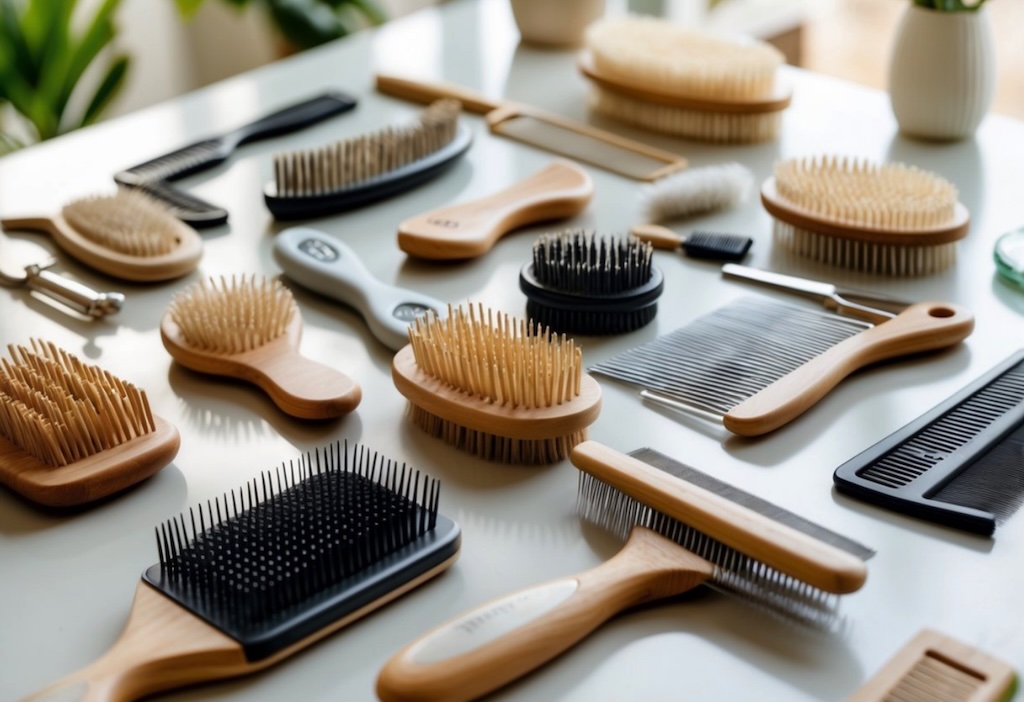
Choosing the right brushes and combs is essential for effective pet grooming. Each tool serves a unique purpose in maintaining a pet's coat, ensuring it stays healthy and shiny. The following sections cover the most important types of brushes and combs for grooming pets.
Slicker Brushes: Detangling and De-matting
Slicker brushes are invaluable for removing tangles and mats from a pet's coat. They feature a head with short, tightly-packed wire pins that glide through hair without damaging the skin. These brushes are particularly effective for long-coated, curly, and wire-haired breeds.
To use a slicker brush correctly, it is important to maintain a gentle touch. Applying too much pressure may cause discomfort. Brush in the direction of hair growth to avoid pulling. Regular use helps to keep the coat smooth and prevents future matting, while also allowing owners to check for any skin issues or irritations.
Pin and Bristle Brushes: Versatility and Shine
Pin brushes and bristle brushes serve different but complementary purposes in grooming. Pin brushes have flexible bristles spaced evenly to detangle and smooth out coats, making them great for long-haired breeds. They can also be used on medium-coated pets to remove loose hair and dirt.
Bristle brushes, on the other hand, are designed with either natural or synthetic bristles. They work best on short-haired dogs, effectively removing loose hair and dander while stimulating the skin. Bristle brushes also add shine to the coat. Both types can be used as finishing brushes to ensure a polished look after grooming.
Shedding and Undercoat Tools
Tools designed for shedding and managing the undercoat are essential for certain breeds, especially those with double coats. Undercoat rakes have rows of metal pins designed to lift and remove loose fur underneath the topcoat. This is particularly important for breeds like Huskies or Golden Retrievers, which shed heavily.
Rubber curry combs are also useful, as they massage the skin while collecting loose hair and dirt. They can be used wet or dry and are especially effective during baths, allowing shampoo to penetrate the coat. These tools help prevent pesky mats and reduce shedding, making them a must-have for pet owners.
Specialty Combs for Specific Jobs
Specialty combs target specific grooming tasks and further enhance the grooming process. Tail combs are excellent for fine-tuning areas like the tail and face, allowing precise handling of tangles and knots. They are designed with the right spacing and thickness for delicate areas.
Rotating pin combs have pins that rotate to glide smoothly through the coat while detangling, minimizing pulling and discomfort. They are beneficial for pets with thick or wavy fur. Each comb serves a unique purpose, providing options for addressing specific grooming needs effectively.
De-matting and De-shedding Tools
Maintaining a pet's coat involves more than just regular brushing. Choosing the right de-matting and de-shedding tools is key to keeping your pet's fur healthy and manageable. Understanding the specific tools available helps pet owners make informed choices for their grooming routines.
Choosing the Right De-matting Tools
When selecting de-matting tools, pet owners should consider their pet’s coat type. A dematting comb is effective for removing tangles and mats in long-haired breeds. It features sharp, closely spaced teeth to glide through knots. For thicker mats, a dematting rake may work better as its wider teeth can break apart stubborn tangles.
Important features to consider include:
- Blade Quality: Look for stainless steel for durability.
- Comfortable Grip: An ergonomic handle eases hand fatigue during grooming.
- Safety: Rounded tips help prevent skin irritation.
Using the right tool not only makes grooming easier, but it also adds comfort for the pet.
De-shedding Tools for Heavy Coats
For pets with heavy coats, effective de-shedding tools are essential to manage fur loss and keep shedding under control. A de-shedding tool typically features a special blade designed to reach the undercoat while leaving the outer coat intact. This allows for efficient removal of loose fur.
Top types of de-shedding tools include:
- Undercoat Stripper: Ideal for thick double coats, this tool removes dead undercoat fur without damaging the healthy coat.
- Shedding Comb: A shedding comb can be used regularly to remove loose hair and is great for maintenance between regular grooming sessions.
Regular use of these tools can improve coat health and reduce fur scattered throughout the home.
Undercoat Removal and Maintenance
Addressing the undercoat is crucial for long-haired pets, especially during seasonal changes when shedding is at its peak. Utilizing a carding tool helps to lift and remove dead hair from the undercoat effectively. This tool is particularly valuable for breeds like Huskies or Golden Retrievers, which have dense undercoats.
Maintenance Tips:
- Frequency: Schedule grooming sessions at least once a week.
- Technique: Always groom in the direction of hair growth to avoid irritation.
- Clean Tools: Regularly remove collected fur from tools to maintain their effectiveness.
These practices ensure that the pet’s coat remains well-groomed and free from mats, enhancing the pet's comfort and overall health.
Clippers, Trimmers, and Scissors
Choosing the right grooming tools is essential for effective pet grooming. Clippers, trimmers, and scissors offer unique benefits that cater to different grooming needs and preferences. This section explores the key features and considerations for each tool.
Types of Clippers: Corded vs. Cordless
Clippers come in two main types: corded and cordless. Corded clippers provide consistent power, making them ideal for extensive grooming sessions. They do not require charging, which allows for uninterrupted use. Popular brands include Oster and Wahl, known for their reliability and performance.
On the other hand, cordless clippers offer greater flexibility and ease of movement. They are especially useful in mobile grooming settings where space may be limited. It’s crucial to look for models with a long battery life. Selecting a clipper based on grooming frequency will help determine the best choice: daily groomers might prefer corded options, while casual groomers may opt for cordless.
Choosing the Best Blades and Guards
When selecting clippers, choosing the right blades and guards is vital. Blade types can affect the outcome of the haircut. Stainless steel blades are durable and resist rust, ensuring longevity. The size of the blade also impacts the length of the fur after cutting, with larger blades removing more hair quickly.
Guard combs, which attach to the clipper blades, allow for varied hair lengths. They are available in different sizes, ranging from 1/8 inch to 1 inch. Groomers should consider their pet's coat type and desired length when selecting guard sizes. Regular maintenance of blades through cleaning and sharpening will also enhance performance and extend their usability.
Scissors for Precision Grooming
Grooming scissors are essential for achieving precise cuts, particularly in difficult areas like the face and paws. There are different types of grooming scissors, such as straight shears for general trimming and curved shears for shaping and styling.
High-quality stainless steel scissors are recommended for their sharpness and durability. Groomers should always choose scissors that fit comfortably in their hands to reduce strain during long sessions. Including thinning shears in a grooming kit can help blend layers and remove bulk without sacrificing length. Selecting the right type of scissors can significantly increase the quality of the finished look while making the grooming process easier.
Nail and Paw Care Tools
Choosing the right tools for nail and paw care is essential for keeping pets comfortable and safe. Proper tools make the process easier for pet owners and more pleasant for their furry friends. The following key areas focus on nail clippers, grinders, and essential care tips for your pet's paws.
Nail Clippers: Selecting Safe Options
When selecting nail clippers, it is vital to choose tools that ensure safety and comfort. Pet owners should look for clippers specifically designed for pets. These clippers often feature rounded edges to minimize the risk of cuts or nicks.
There are two main types of nail clippers: scissor-type and guillotine-type.
- Scissor-Type: These are similar to regular scissors and are ideal for larger dogs with thick nails.
- Guillotine-Type: These clippers are easier for small dogs and have a cutting mechanism that provides precision.
It is crucial to choose clippers with a comfortable grip. Look for models with an ergonomic design to reduce strain during use. Additionally, consider clippers with safety guards to prevent cutting nails too short, which can cause pain and bleeding.
Nail Grinders for Smoother Finish
Nail grinders are excellent alternatives to clippers and can offer a smoother finish. They are especially useful for pets that may be anxious about traditional clipping methods. Grinders gently wear down the nail rather than cutting it, making the process feel less harsh.
When choosing a nail grinder, look for one with adjustable speeds. This feature allows pet owners to control the tool based on their pet's comfort level. A quiet motor is also important, as loud noises can frighten pets.
Safety is a top priority with nail grinders. Many models come with safety guards to keep the nails from slipping too far into the grinder. Regularly clean and maintain the grinder to ensure it operates effectively and remains safe for use.
Tips for Paw and Pad Maintenance
Maintaining the paws and pads is just as important as nail care. Regularly check the pads for signs of wear, cracks, or foreign objects lodged between the toes. Keeping the fur around the paws trimmed can prevent matting and make it easier to spot issues.
Clean paws after walks to remove dirt and debris. A pet-safe wipe can help clean the pads effectively. Additionally, consider using paw balms to soothe and protect sensitive pads, especially in winter.
It is also helpful to keep nails trimmed properly to avoid stress on the paws. Overgrown nails can lead to discomfort and even injury. Regular maintenance helps ensure pets remain happy and healthy.
Safety, Comfort, and Extra Features
When selecting pet grooming tools, safety and comfort are essential for both the pet and the groomer. The right tools can prevent accidents and injuries while ensuring a pleasant grooming experience. Additional features, such as low noise operation and ergonomic designs, can further enhance the grooming process.
Tool Safety: Guards, Blunt Tips, and Materials
Safety is paramount in grooming tools. Many professional groomers recommend tools with safety guards or blunt tips, especially for sensitive areas like the face, ears, and paws. These features help to minimize the risk of accidental cuts or poking.
Materials also play a crucial role in tool safety. Stainless steel is popular for its durability and resistance to rust, which can affect performance. High-quality grooming tools are designed to withstand regular use without becoming dull or damaged. Groomers should look for products labeled as “hypoallergenic” for shampoos and sprays, as these are designed to minimize skin irritation during grooming.
Ergonomics and Non-slip Handles
Comfort during grooming is vital for both the pet and the groomer. Ergonomic handles are designed to fit comfortably in the hand, reducing strain during long grooming sessions. This is particularly important for professional groomers who work with multiple pets each day.
Non-slip handles are another key feature. They prevent slipping, especially when wet, which can lead to accidents. A good grip allows groomers to maintain better control of the tool, enhancing safety. Tools with adjustable handles can also cater to different user needs, making them more versatile and user-friendly.
Low Noise and Pet Comfort Considerations
Loud tools can frighten pets and make grooming a stressful experience. Groomers should choose tools, such as high-velocity dryers, that operate quietly, helping to ease anxiety in pets. Many modern grooming tools are designed with noise reduction features to create a calmer environment.
Comfort for the pet also extends to grooming products. Using waterless or hypoallergenic shampoos can prevent skin issues and allergic reactions. Groomers should pay attention to the pet's reactions during grooming; if a tool seems uncomfortable, it might be necessary to reevaluate its use or replace it with a more suitable alternative.
Maintenance and Cleaning for Longevity
Proper maintenance of grooming tools ensures their longevity and effectiveness. Regular cleaning is essential to prevent the buildup of hair, dirt, and product residues. Groomers should look for products that can be easily disassembled for thorough cleaning.
Stainless steel tools can often be wiped down with a mild disinfectant, while brushes may require detangling and removal of fur after each use. Keeping tools in good condition not only prolongs their lifespan but also ensures a safer experience for the pet. Routinely checking for wear and tear, such as dull blades or damaged handles, allows for proactive replacement, maintaining a high standard of care.
Share this post
Leave a comment
All comments are moderated. Spammy and bot submitted comments are deleted. Please submit the comments that are helpful to others, and we'll approve your comments. A comment that includes outbound link will only be approved if the content is relevant to the topic, and has some value to our readers.
Comments (0)
No comment