

Energy systems are under strain in ways that were not expected even a decade ago. Electricity demand is accelerating, driven not just by population growth but by data centers, electrification and industrial expansion. At the same time, the infrastructure built to carry that load is struggling to keep pace, exposing a growing gap between how energy is produced, how it moves and how decisions are made.
Much of this complexity now sits on top of digital systems, where networked infrastructure and real-time data flows play a role in how energy is monitored and controlled.
Ten years ago, much of this still looked manageable. That is no longer true. Power use is climbing faster, new sources of load are appearing in the wrong places for old grids, and the networks carrying that strain are showing their age. The numbers are blunt. Global electricity demand rose 4.3% in 2024, according to the International Energy Agency, and the IEA expects growth to stay close to 4% a year through 2027. That is a heavy lift for systems that were planned around steadier patterns and slower change.
When Demand Surges and Infrastructure Starts to Lag Behind
Data centers are one reason the pressure feels different this time, putting pressure not just on supply but on the energy data infrastructure and the wider industrial infrastructure that supports how systems are monitored and managed. The IEA expects their electricity demand to move toward 945 terawatt-hours by 2030. That is not a niche issue. It is a serious block of demand in its own right. The same goes for electrified transport and power-hungry industrial activity, which tend to cluster rather than spread themselves neatly across a country.
Some regions are already operating beyond what their infrastructure was designed to handle, exposing clear limits in how energy is produced and distributed. This is where structured approaches like energy commercialization advisory models come into play, helping organizations bring discipline to complex decisions by aligning market signals, infrastructure constraints and operational realities into a single, defensible strategy.
Generation is changing too. In 2024, renewables made up more than 92% of new power capacity added worldwide. That is progress, but it also means system operators are dealing with a different kind of balancing act. Solar output can surge at midday and drop away later. Wind arrives when it arrives. The grid still has to hold.
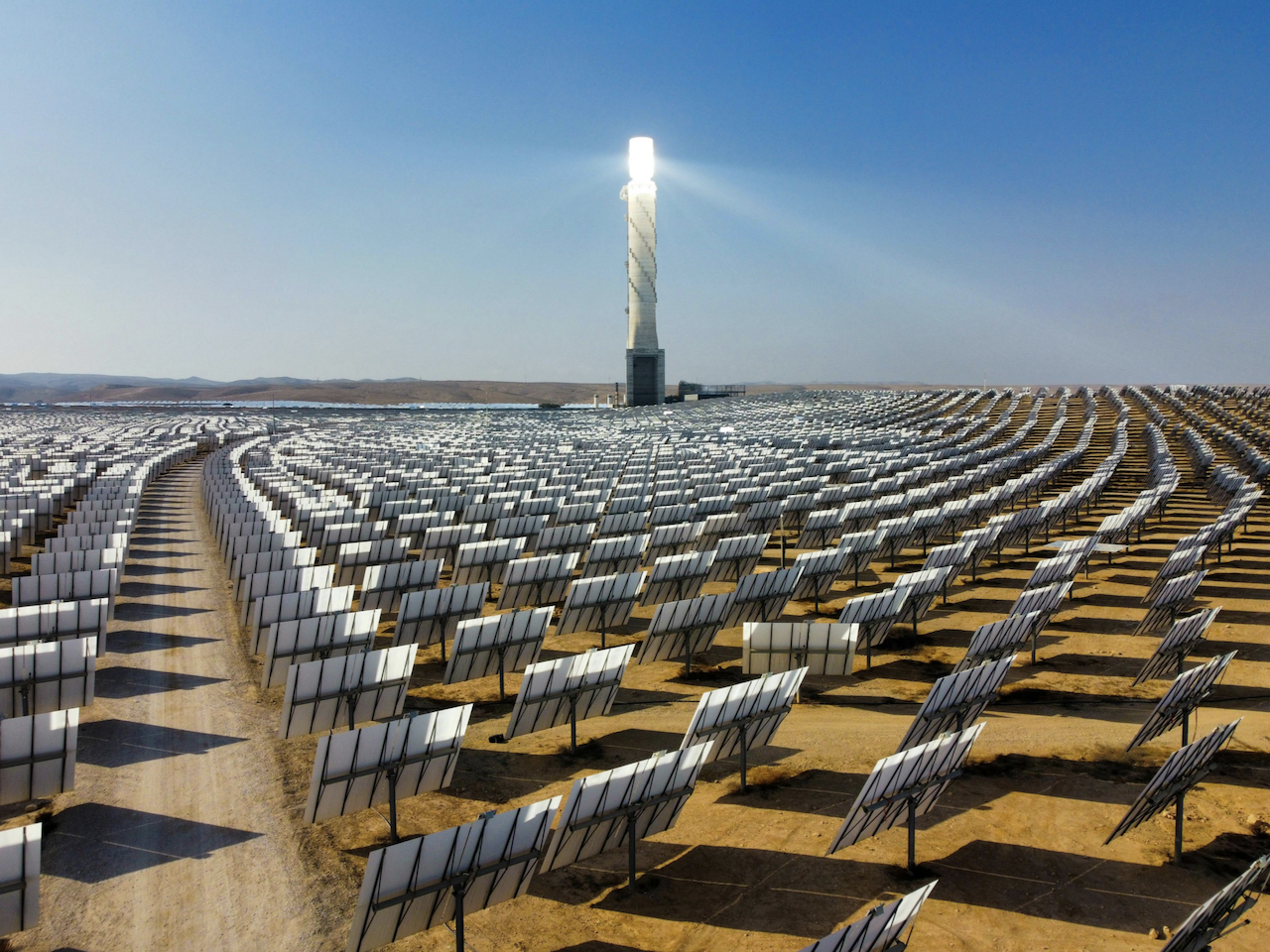
Decisions are carrying more weight now. Infrastructure expansion, market positioning and capital allocation all depend on how clearly signals can be read across the system. Getting that wrong is expensive, especially when constraints are not always visible at first. Structured approaches help bring order to that process, tying together market dynamics, infrastructure limits and operational data so decisions rest on something firmer than assumption.
Energy Systems Are No Longer Physical Networks but Systems Under Constant Adjustment
Power used to move in one direction, from centralized generation into transmission and distribution networks. Demand followed established patterns. Planning could be done years in advance with a fair degree of confidence.
The old pattern has broken down.
Demand is still rising, just not in a tidy or predictable way. One corridor may be hit by rapid industrial growth, another by warehouse build-outs and data infrastructure, while a nearby region barely moves. That makes planning harder from the start. It also means operators are often dealing with pressure that is local, sudden and difficult to smooth out.
Grid congestion is becoming more common. In the United States, the United Kingdom and Germany, congestion management costs have tripled between 2019 and 2022. That is not a marginal change. It reflects a system that is under sustained stress.
Connection delays are another signal. In several major markets, projects wait years for grid access despite being technically ready. The constraint is not generation capacity. It is infrastructure.
Data does not remove these problems, but it makes them visible earlier. More than a billion smart meters are already deployed globally. By 2030, connected devices across energy systems are expected to exceed 25 billion. Every one of those devices produces information about how the system is performing in real time.
That flow of information changes how operators respond. Instead of reacting to failures, they can see pressure building and track how demand shifts over hours, not months.
The system does not become simpler. It becomes more transparent.
From Fixed Infrastructure to Modeled Systems That Can Be Tested Before They Fail
Energy infrastructure used to be planned with limited feedback. Once assets were built, their role was largely fixed. Adjustments came later, often after inefficiencies or failures had already taken hold.

Demand is less predictable. Supply is more fragmented. Infrastructure designed for steady flows is being pushed to handle sudden spikes and uneven input. In some regions, networks are operating close to their limits more often than expected.
Infrastructure data modeling changes how those risks are approached.
Instead of relying on assumptions, operators can simulate how systems behave under different conditions. A surge in demand. A delay in transmission upgrades. The addition of new renewable capacity. These scenarios can be tested before they play out in the real network.
Digital twins are part of this process. They create a working model of physical infrastructure using live and historical data. Operators can examine how a grid responds under stress without exposing it to real-world consequences.
Being able to test these scenarios before committing capital gives you a clearer view of how decisions will play out over time.
Money is already moving into the sector at a huge scale. Global investment in electricity systems is heading toward $1.5 trillion a year, and grid spending, by the IEA’s estimate, needs to rise by roughly 50% by 2030 if networks are going to keep up.
A bad call at this level does not stay on paper. It gets built into the system and paid for over years.
Modeling helps because it gives operators something firmer than instinct to work with.
The Quiet Work Behind Modern Energy and Industrial Analytics on the Ground
Energy systems throw off an enormous amount of information. Sensors log temperature. Meters track load. Monitoring platforms catch fluctuations as they happen. None of that means much by itself. A control room can be full of numbers and still miss what matters.
That is where industrial analytics earns its keep.
Industrial analytics sits between that data and the decisions that follow, often relying on networked systems to move and process that information in real time.
Its real value is not that it produces more data, but that it helps separate signal from noise. Most equipment problems do not begin with a dramatic failure. They begin with something small and easy to shrug off. A machine running a touch hotter than usual. Output softening at odd times of day. A vibration reading that sits just outside the normal band.
You can look at thousands of data points and still miss what matters if those signals are not properly connected.
One reading like that may mean very little. A handful of them, taken together, frequently mean something has started to go wrong.
Maintenance is the obvious example. Instead of servicing assets simply because the calendar says so, operators can respond to the condition of the equipment itself. Done well, that can cut downtime significantly, as outlined in IBM’s overview of predictive maintenance, while avoiding work that was never really needed in the first place.
Across a network, the effect compounds. Fewer unexpected failures. More efficient use of resources. Better allocation of maintenance budgets.
Ultimately, it comes down to supporting human judgment with better information.
Location Data Is Becoming a Planning Tool Rather Than a Reference Point
A clearer picture starts to emerge of where pressure is building and where additional capacity will have the greatest impact.
Infrastructure rarely behaves evenly across a map, even when planning documents suggest otherwise. Some areas are pushed hard. Others are not. Geospatial analysis helps show the difference before money is committed in the wrong place.
You start to see how uneven the system really is once location data is used properly, especially when pressure builds in specific regions.
Energy systems are becoming more distributed, and that changes how infrastructure needs to be planned and deployed. Generation is often located closer to consumption, but not always in the right place. Transmission capacity does not always align with demand.
Location data makes those mismatches visible.
It also affects how investment decisions are made. Rather than expanding infrastructure evenly, resources can be directed toward areas where they are needed most.
The system becomes more precise.
Operational Intelligence Is Changing How Quickly Systems Can Respond
Speed has become a defining factor in energy systems.
Conditions change faster than they used to. Demand fluctuates. Supply varies. Infrastructure constraints appear with little warning. Delayed decisions carry more risk than they once did.
Operational intelligence addresses that.
It brings together data from different parts of the system and presents it in a way that supports immediate action. Instead of waiting for reports, operators can see how the network is behaving in real time.
That visibility allows for quicker responses. When you are managing infrastructure at scale, acting early can be the difference between controlled adjustment and system strain.
Load can be adjusted before congestion builds. Generation can be rebalanced. Small issues can be addressed before they escalate.
Where Data Meets Strategy Through Decision Intelligence in Modern Energy Markets
Energy markets are shaped by more than supply and demand. Infrastructure constraints, regulatory frameworks and regional dynamics all influence outcomes.
Navigating that environment requires decisions that are consistent as well as informed.
Decision intelligence brings structure to that process, turning fragmented inputs into more consistent data-driven decisions. It connects data from across the system and applies it to strategic questions. Where should capital be deployed? Which projects carry the most risk? How should market positions adjust as conditions change?
These are not simple decisions. You are often working with incomplete signals, which makes structured frameworks essential.
Where Infrastructure Limits Collide With Smarter Decision-Making
Despite advances in data and analytics, physical infrastructure is still the limiting factor in many energy systems. Grids in large parts of the United States and Europe were not designed for the kind of load they are now being asked to carry, particularly with the added variability that comes from renewable generation and electrification.
The strain is already visible. Connection queues for new energy projects continue to grow, often stretching years into the future. In some regions, developers are ready to build but cannot secure grid access. The issue is no longer generation capacity. It is whether the network can support what is already planned.
The scale of the challenge is becoming clearer. According to the International Energy Agency, grid investment needs to increase by around 50% by 2030 if systems are going to keep pace with demand and electrification.
That combination leaves very little room for error. Expanding capacity without understanding where pressure is building risks locking inefficiencies into the system for decades.
The systems that perform best are not simply the ones that add more. They are the ones that read conditions clearly and act early.
Share this post
Leave a comment
All comments are moderated. Spammy and bot submitted comments are deleted. Please submit the comments that are helpful to others, and we'll approve your comments. A comment that includes outbound link will only be approved if the content is relevant to the topic, and has some value to our readers.
Comments (0)
No comment