

How Crypto Payment Security Protects Funds, Data, and User Interests
Crypto payments have become a real operating tool for many businesses. They support international transfers, merchant settlements, treasury activity, and access to digital asset users across many regions. As this use expands, security becomes one of the main foundations of trust.
A payment product succeeds when users feel safe using it. They want secure processing, reliable service, careful handling of data, and support during disruption. In crypto, these expectations carry extra weight because transactions settle through blockchain systems and require strong control over wallets, access rights, and internal processes.
Trust grows when a provider shows discipline in daily operations and composure during incidents. Security supports both.
What Does Security Mean in Crypto Payments
Crypto payment security covers more than technical defense. It includes the full operating environment around payment processing.
- Protection of funds comes first: This includes wallet management, restricted internal access, transaction screening, storage policies, internal approval logic, and recovery procedures. These controls help protect assets while keeping payment services available for users and merchants.
- Protection of personal data also plays a major role: Providers handle business information, account records, compliance materials, and payment data. Secure collection, storage, and use of this information supports legal obligations, fraud prevention, and customer support.
- Regulatory compliance adds another level of discipline: A mature provider works within licensing rules, AML procedures, transaction checks, and reporting duties. These systems support accountability and help create a safer payment environment.
- User interests are paramount: Security helps preserve service continuity, accurate balances, dependable records, and useful communication. For businesses that rely on payment processing, these functions can deliver real value every day.
The Main Risks Users and Providers Face
Crypto payments face familiar operational risks, though their mechanics differ from those of legacy finance.
Cyberattacks
Threat actors look for weak points in staff workflows, software tools, credentials, vendor relationships, and exposed systems. Phishing and social engineering often serve as the opening step in larger attacks.
User Mistakes
A sender may choose the wrong network, enter an incorrect address, or approve a malicious request without realizing the consequences. These events show why secure product design and user guidance are so important.
Operational Vulnerabilities
Payment companies rely on software systems, internal permissions, hosting environments, integrations, and monitoring tools. Strong security teams review these areas through audits, testing, segmentation, and constant observation.
How the Industry Handles Incidents
- Teams first contain the issue: They isolate affected systems, secure remaining assets, stop exposed processes, and assess the source of disruption. Fast action helps reduce damage and preserve service continuity where possible.
- The next step is service recovery: Providers restore core functions in a secure environment, review transaction queues, support urgent client needs, and stabilize operations.
- Communication supports every phase of this work: Users need accurate updates, service notices, and a place to check current status. Good communication reduces uncertainty and helps clients plan around temporary disruption.
- After recovery comes review and improvement: Security teams analyze events, strengthen controls, update procedures, retrain staff, and improve monitoring. This process raises the quality of future responses and strengthens user protection over time.
A Real-World Security Incident and Its Lessons
An example often referenced in the industry is the cyberattack in July 2023 disclosed by Coinspaid, which resulted in a loss of company funds. According to public reports, client funds were not affected and remained intact. Core payment gateway functionality was also restored after the incident, with operations resuming in a secured environment while processing activities were stabilized.
During the response, automated transactions were paused and manual processing was used to maintain continuity where necessary. Operational funds outside the affected scope were secured, and wallet addresses and secret keys were updated. The incident was followed by internal audits and security reviews.
This case is often cited because it highlights how providers can respond to security events. Protecting client funds, restoring operations, maintaining communication, and strengthening internal controls are key factors that influence user trust during and after an incident.
Why Transparency Is Key to Confidence
Openness helps users assess service quality for themselves. In payments, transparency means visible service status, maintenance notices, uptime history, and timely incident communication.
Some providers maintain a public status system that gives users direct access to operational information. For example, CryptoProcessing by Coinspaid includes a public status system where clients can review service availability, component health, scheduled maintenance, and past incidents in one place. This supports trust through observable operations rather than broad claims.
A public status page also supports business users who depend on payment continuity. It helps teams plan, monitor service quality, and verify operational updates in real time.
Security Improves Through Continuous Work
Strong security develops through ongoing investment. Payment companies continue improving controls, audit processes, internal permissions, monitoring tools, recovery plans, and employee readiness. This work supports service quality over the long term.
Confidence in a payment solution grows through visible operating discipline, openness about service health, and a continued focus on protecting funds and data.
Security serves best when it is built into everyday operations. It works through routine checks, careful oversight, controlled access, resilient systems, and preparation for unusual events.
What Users Should Look for in a Provider
Businesses and users choosing a crypto payment solution should focus on maturity. The strongest products combine secure processing, resilient operations, compliance readiness, stable communication, and a visible record of service quality.
A mature provider helps protect funds, supports careful handling of user data, maintains continuity during pressure, and shows clients how systems are performing. These qualities build trust in a lasting way.
Conclusion
Crypto payment security has become part of the standard for serious providers. It covers funds, data, compliance, and user protection across the full payment process. The strongest solutions earn trust through disciplined operations, prompt recovery, and visible openness.
Trust grows through results. In crypto payments, those results come from secure systems, strong internal control, honest communication, and a proven ability to protect users when conditions become difficult.
Disclaimer
This article is provided for informational and educational purposes only. It does not constitute financial, legal, or technical advice, and should not be relied upon as a substitute for professional guidance.
References to companies, services, or incidents are included for explanatory context and do not represent endorsements or recommendations. While efforts have been made to ensure accuracy, information may change over time and may not reflect the most current developments.
Readers are responsible for ensuring that their use of cryptocurrency payment systems, security practices, and related technologies complies with applicable laws, regulations, and platform terms of service.
iplocation.net is not liable for any actions taken based on the information presented in this article, nor for any losses, damages, or consequences arising from the use or misuse of such information.
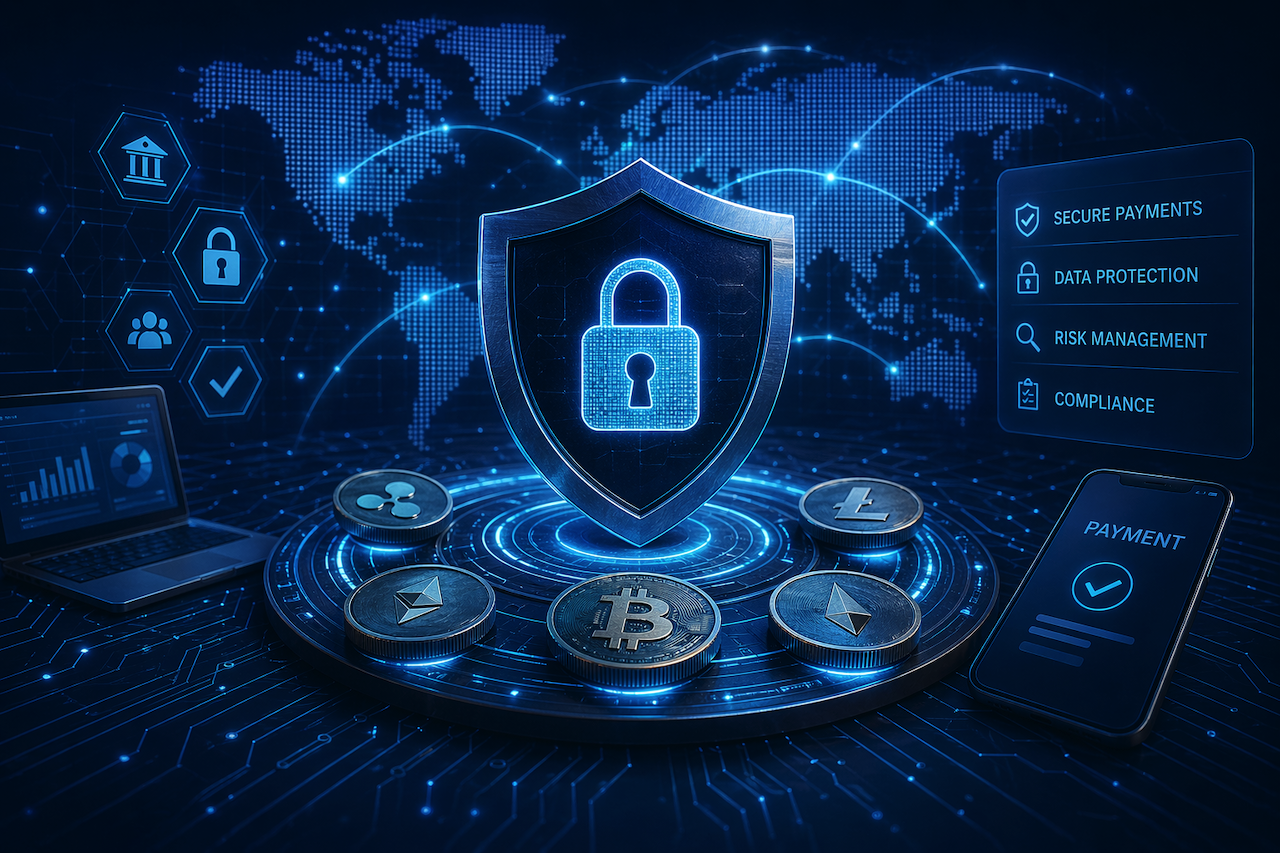
Featured Image generated by ChatGPT.
Comments
Comments are available to signed-in users and are moderated to keep the discussion useful and respectful. Spam, automated submissions, and low-value promotional comments are removed. Outbound links may be approved when they are relevant and genuinely helpful to readers, but they are displayed as plain text rather than clickable hyperlinks.
No comments have been published yet.
Please sign in to submit a comment.