
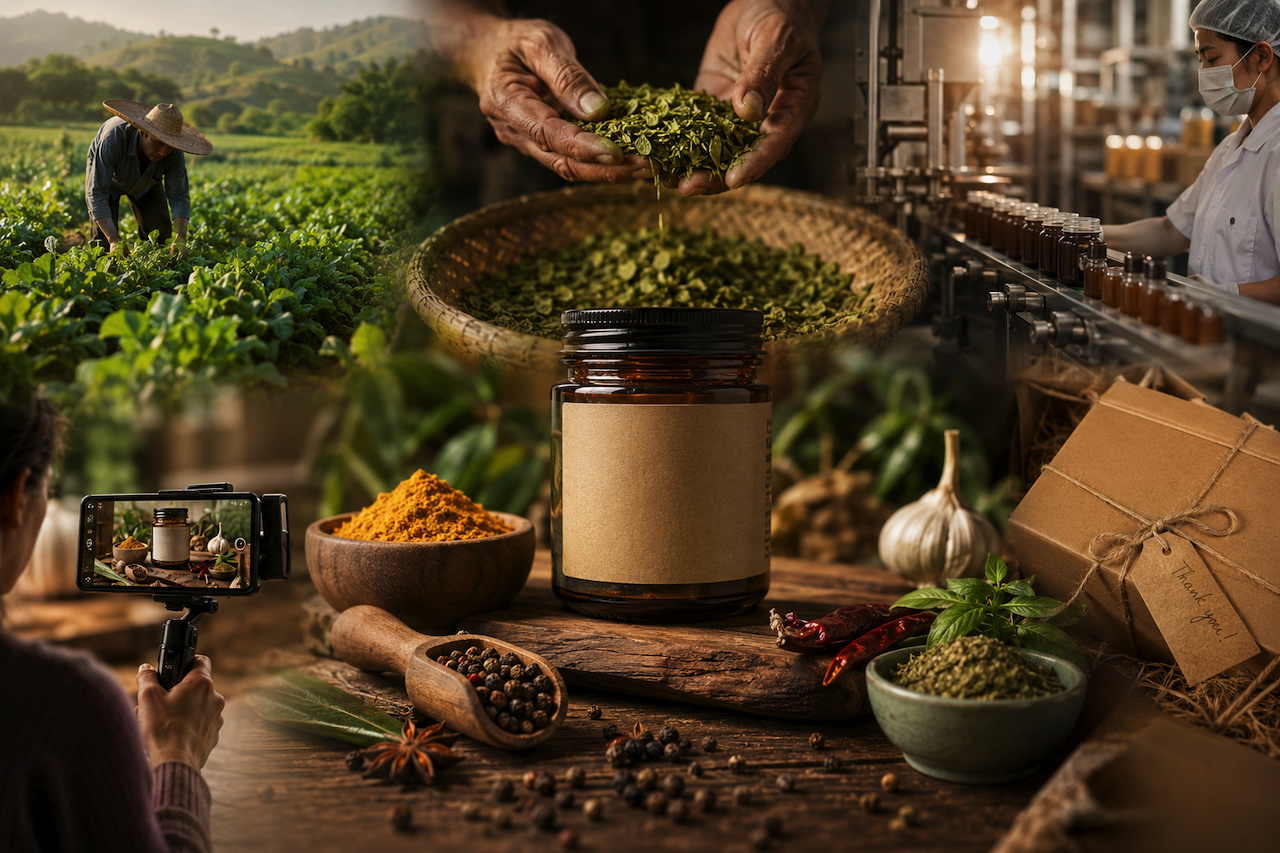
Storytelling has become an important part of modern marketing. Consumers increasingly want to understand where products come from, how they are made, and what makes them unique. Whether the product is a specialty spice, artisan food item, handmade product, or consumer good, businesses often face the challenge of communicating these stories in a way that captures attention.
Product descriptions and static images can provide useful information, but they may not fully capture the story behind a product. This is where video storytelling and modern AI-powered video creation tools can play a role.
By combining visual content with storytelling, businesses can showcase products, ingredients, production methods, and brand values in a more engaging format. AI video generation technologies are making it easier to transform photos, concepts, and narratives into visual experiences that help bring products to life. For example, platforms such as Dreamina Seedance 2.0 4K demonstrate how AI tools can assist with turning images and creative concepts into video-based marketing content.
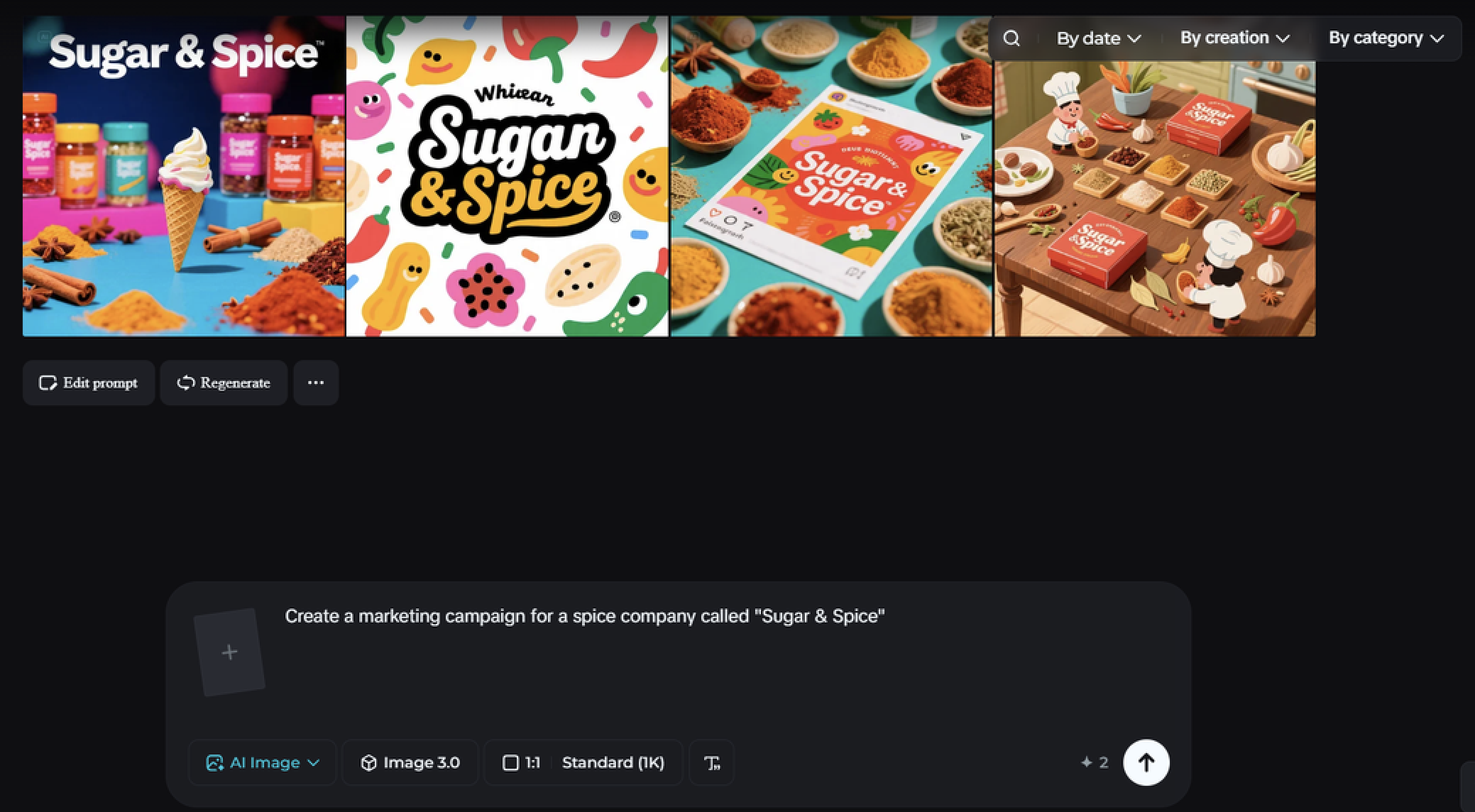
Bringing Product Stories to Life Through Video
Every product has a story.
Whether it is a specialty spice sourced from a distant region, a handcrafted item created by artisans, or a food product made using traditional methods, consumers are often interested in the journey behind what they buy. Through AI-generated video content, brands can transform images and creative concepts into visual narratives that highlight sourcing, production, craftsmanship, and real-world applications.
Examples of content that can be incorporated into these stories include:
- Farms, workshops, or production facilities
- Raw materials and ingredients
- Manufacturing and preparation processes
- Packaging and fulfillment activities
- Products being used in real-world settings
Storytelling can help consumers better understand a product's background while creating a stronger connection between the customer and the brand.
Why AI Video Tools Are Well Suited for Product Storytelling
Visual presentation plays an important role in modern marketing.
Consumers often make purchasing decisions based on how products appear and the information available about them. AI-powered video creation tools provide new ways for businesses to showcase products and communicate their stories.
Some capabilities commonly found in AI video generation tools include:
- Cinematic camera movement
- Enhanced presentation of textures and colors
- Image-to-video transformation
- Smooth scene transitions
- Lighting and atmosphere effects
- Storytelling-oriented visual sequences
These capabilities can help businesses transform product-focused content into engaging visual narratives.
Transforming Products and Processes Into Brand Stories
Today's consumers often seek transparency and want to learn more about the products they purchase. They may be interested in where materials originate, how products are made, and the values behind a brand.
Video storytelling provides an opportunity to communicate this information visually rather than relying entirely on text.
Potential story themes include:
- Ethical sourcing practices
- Traditional production methods
- Company heritage and history
- Industry expertise
- Product quality standards
These narratives can help brands present products as more than items for sale by highlighting the people, processes, and values behind them.
Specialty spices provide one example. A company may use video to showcase harvesting methods, ingredient sourcing, and culinary applications. The same approach can be applied to products across many industries.
Creating Product Storytelling Videos With AI
Businesses can use AI video generation tools to transform product information, images, and creative ideas into engaging visual stories. While the specific workflow varies between platforms, the process generally follows a few key steps.
1. Gather Visual Assets and Define Your Story
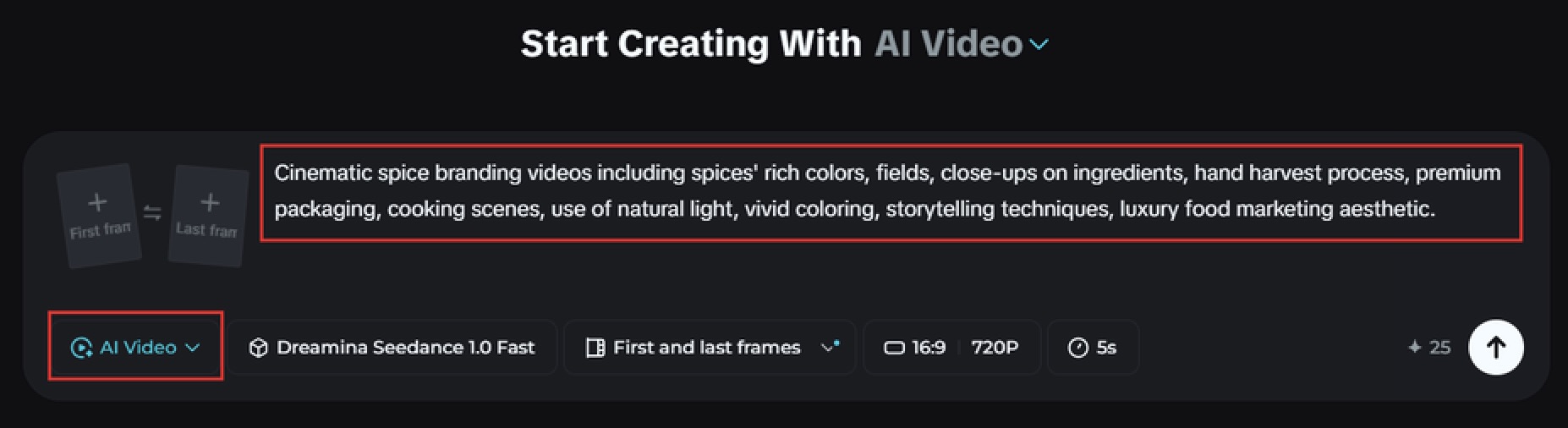
Begin by identifying the story you want to tell and collecting the assets that support it. These may include product photos, images of raw materials, manufacturing processes, packaging, team members, or products in use.
Questions to consider include:
- What makes the product unique?
- Where does it come from?
- How is it made?
- What values does the brand represent?
Clear answers to these questions can help shape a more compelling visual narrative.
2. Generate and Organize Video Content
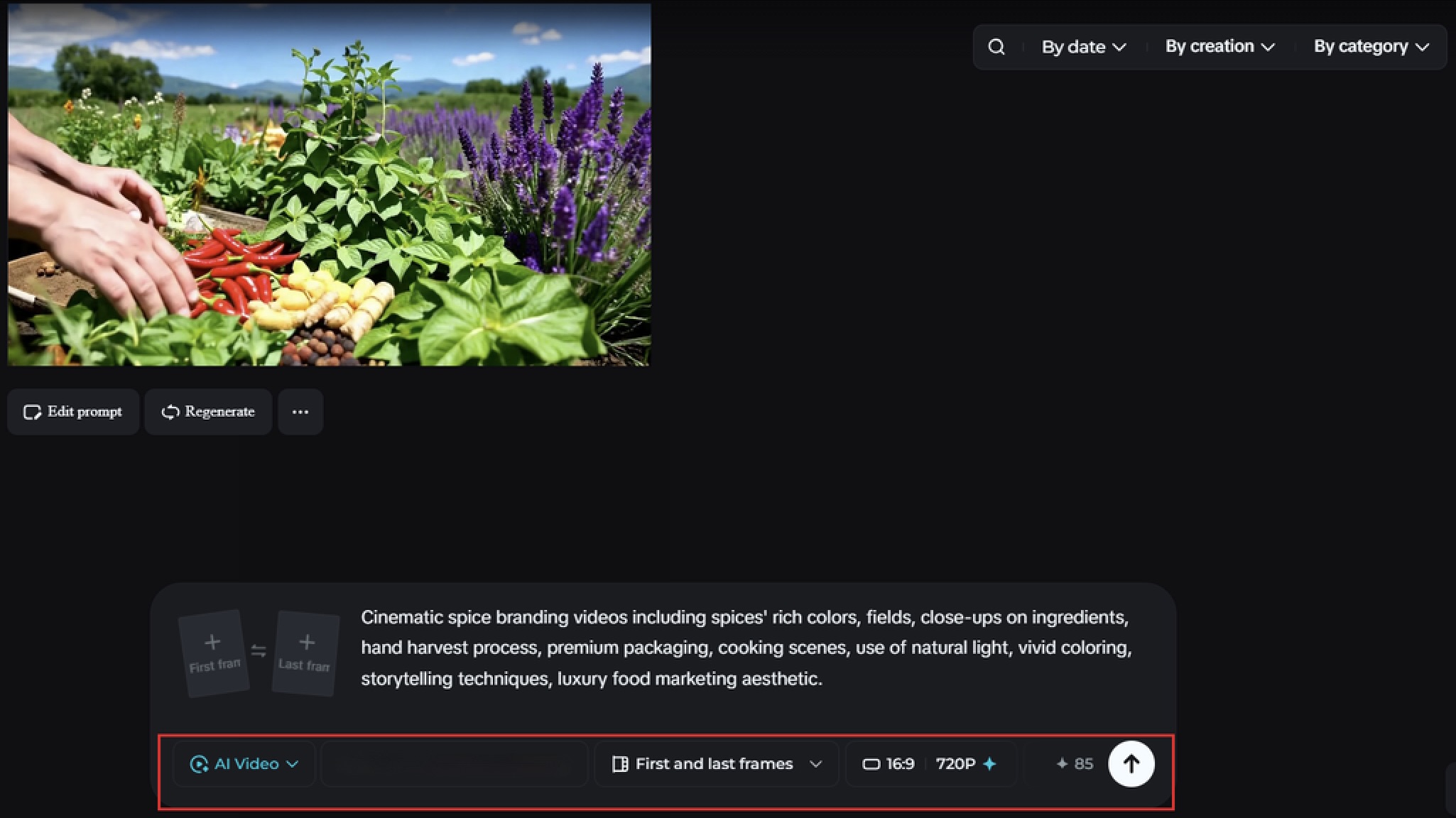
AI video generation tools can transform images, prompts, and creative concepts into video sequences. Businesses can use these tools to create scenes that highlight products, production processes, sourcing practices, customer experiences, or brand stories.
During this stage, creators can experiment with different visual styles, pacing, transitions, and storytelling approaches to determine what best supports their message.
3. Refine, Optimize, and Publish
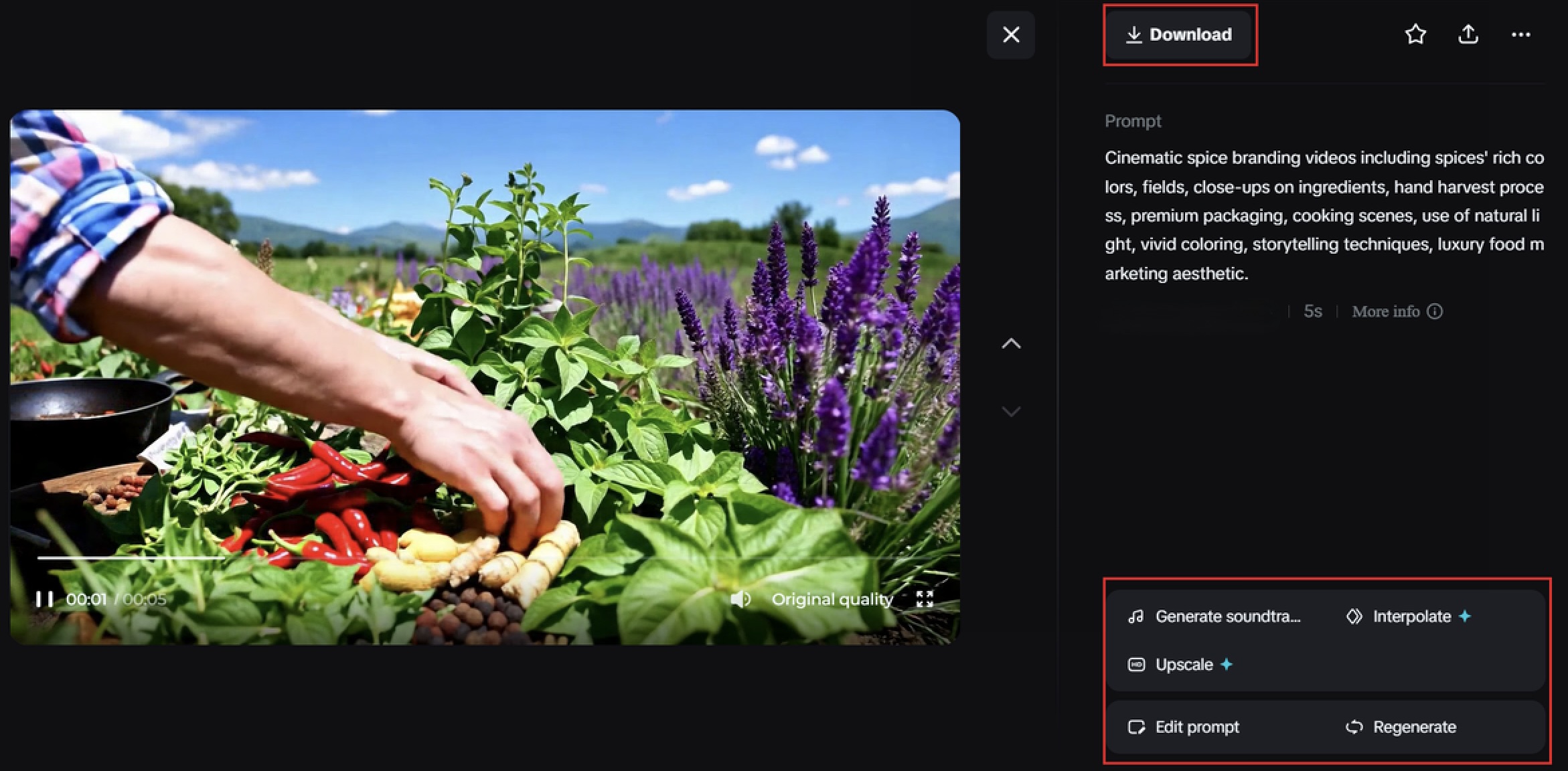
Once the initial video is created, review and refine the content before publishing. This may include adjusting scenes, improving image quality, adding captions, incorporating music, and ensuring the video aligns with the brand's visual identity.
After final edits are complete, the content can be adapted for websites, ecommerce listings, social media platforms, educational materials, and broader marketing campaigns.
Making Products More Visually Engaging
One of the advantages of video-based storytelling is the ability to highlight visual details that may be difficult to communicate through static images alone.
Many products contain visual characteristics that can be emphasized through motion, close-up views, and creative presentation techniques.
Video content can highlight:
- Food ingredients and specialty products
- Handcrafted goods and artisan products
- Product textures and materials
- Manufacturing and assembly processes
- Packaging and presentation
These visual elements can help showcase quality while creating content that attracts attention across digital platforms.
Content Opportunities Across the Customer Journey
Businesses often require different types of content for different marketing objectives.
Video content can support:
- New product launches
- Social media campaigns
- Website storytelling
- E-commerce product pages
- Educational content
- Brand awareness initiatives
AI-assisted video creation can help businesses develop a variety of content formats while maintaining visual consistency across channels.
Producing Content More Efficiently
Creating high-quality visual content can require significant time and resources.
Traditional video production often involves planning, filming, editing, and post-production work. For smaller businesses, these requirements may present challenges.
AI-powered video creation tools offer an alternative approach by helping organizations transform existing assets into video content more efficiently. This can make it easier to experiment with different concepts, storytelling styles, and marketing campaigns while managing production costs.
Some AI video platforms also offer lightweight models designed for faster content production. For example, Dreamina Seedance 2.0 Mini is intended for rapid experimentation and shorter production cycles, allowing businesses to test different creative concepts and storytelling approaches before investing in larger campaigns. This type of workflow can help brands produce content more efficiently while maintaining a consistent visual style.
As a result, brands can remain flexible and continue producing content on a regular basis.
Highlighting the People Behind the Product
Consumers are often interested in the people responsible for creating the products they purchase.
Video storytelling can showcase:
- Farmers and growers
- Manufacturers and producers
- Founders and entrepreneurs
- Designers and creators
- Artisans and specialists
By highlighting the individuals involved throughout the supply chain, brands can create stronger emotional connections and help customers better understand the work behind products.
From Products to Stories That Inspire
As competition increases across industries, businesses often need more than product descriptions and packaging to stand out. Communicating the story behind a product can help customers understand its value and develop stronger connections with a brand.
AI-powered video generation technologies provide new opportunities for organizations to showcase products, production processes, sourcing practices, and brand values through engaging visual content. Specialty spices represent one example of how these tools can be used, but the same principles can apply to products across many industries.
By combining authentic storytelling with compelling visuals, businesses can create content that informs, inspires, and helps consumers better understand the products they use every day.
Featured Image generated by ChatGPT.
Share this post
Leave a comment
All comments are moderated. Spammy and bot submitted comments are deleted. Please submit the comments that are helpful to others, and we'll approve your comments. A comment that includes outbound link will only be approved if the content is relevant to the topic, and has some value to our readers.
Comments (0)
No comment