
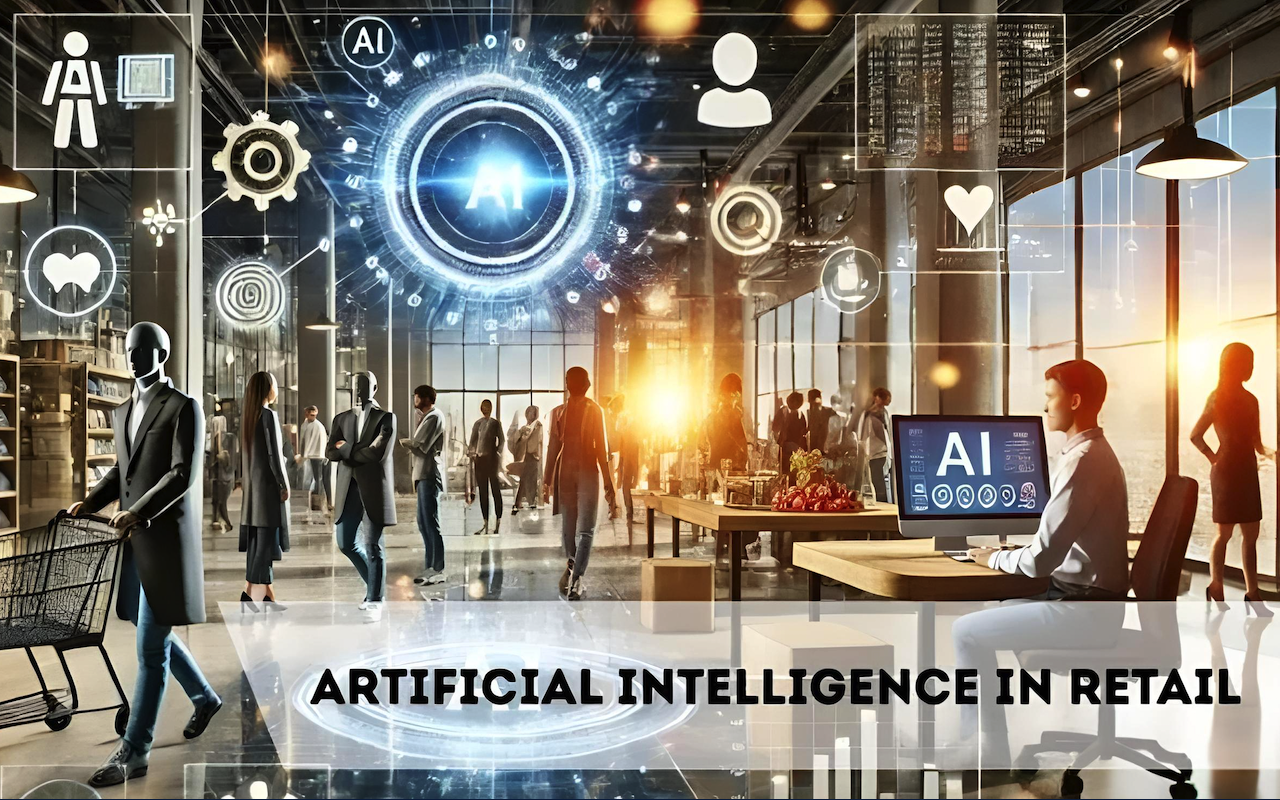
Walk into a store today, and you may not immediately notice it, but artificial intelligence (AI) is working behind the scenes to shape how you shop. From personalized product recommendations to cashier-less checkouts, AI is becoming the silent partner of modern retail. What was once just a futuristic concept is now a daily reality, changing how customers interact with brands and how businesses deliver value.
It’s no surprise that AI has become one of the most in-demand skills for professionals. If you’ve been thinking about diving into this exciting field, an Artificial Intelligence Course is one of the smartest ways to understand how these technologies are applied in industries like retail, finance, and healthcare.
So, let’s explore how AI is making shopping smarter, faster, and more personalized than ever before.
Personalization at Scale
One of the biggest ways AI has transformed retail is through personalization. Remember when shopping used to be one-size-fits-all? Today, whether you’re browsing online or walking into a store, AI algorithms are tracking your preferences, past purchases, and even browsing behavior to suggest products tailored just for you.
Think of how Netflix recommends shows or how Amazon suggests products you didn’t even realize you wanted. That same technology is being used in retail to improve customer satisfaction and increase sales. Personalized recommendations don’t just make shopping easier they make it feel like the brand knows you.
Chatbots and Virtual Assistants
Gone are the days when you had to wait in long queues for customer service. Today, AI-powered chatbots are available 24/7 to answer queries, guide you through purchases, and even help with returns.
Imagine shopping late at night and having a chatbot assist you instantly with product details, size guides, or shipping updates. These AI-driven assistants don’t just save time for customers they also reduce costs for businesses by handling routine inquiries. And when needed, they seamlessly transfer you to a human agent for more complex issues.
Smarter In-Store Experiences
AI isn’t limited to online shopping it’s transforming physical stores too. Some retailers are testing “smart stores” where customers can grab products and leave, while AI-powered sensors automatically process their payment. No lines, no cashiers, just convenience.
In other cases, AI helps store managers predict which products to stock based on shopping trends. For example, if data shows that sneakers are trending in a particular area, stores can prepare inventory accordingly. This ensures customers find what they need, when they need it.
Inventory and Supply Chain Optimization
One of retail’s biggest challenges is keeping shelves stocked without overstocking. Too much inventory ties up capital, while too little disappoints customers. AI algorithms can forecast demand more accurately than traditional methods, helping retailers optimize their supply chain.
From predicting peak shopping times to adjusting orders automatically, AI makes sure that the right products are available at the right time. This reduces waste, improves efficiency, and ensures a smoother experience for customers.
Fraud Detection and Security
Retail isn’t just about selling it’s also about protecting customers. With so many online transactions, fraud has become a major concern. AI plays a critical role in detecting unusual patterns, flagging suspicious activity, and protecting both businesses and customers from cybercrime.
For example, if a customer suddenly places a large order from a location they’ve never shopped from, AI systems can alert the retailer for verification. This level of security builds trust and reassures customers that their data is safe.
Sustainability Through AI
Today’s customers are more mindful of sustainability, and retailers are leveraging AI to minimize their environmental footprint. By analyzing shopping trends, transportation routes, and packaging efficiency, AI helps companies minimize waste and carbon emissions.
For instance, AI can recommend eco-friendly packaging solutions or help optimize delivery routes to reduce fuel usage. These efforts not only support sustainability but also appeal to eco-conscious shoppers who prefer brands that care about the planet.
The Human-AI Balance in Retail
One concern many people have is whether AI will replace human jobs in retail. While AI is automating certain processes, it’s also creating new opportunities. Instead of replacing people, AI often handles repetitive tasks, freeing employees to focus on meaningful customer interactions.
For example, while a chatbot handles basic inquiries, human staff can focus on building deeper customer relationships. In this sense, AI doesn’t remove the human element it enhances it.
Why Learning AI Matters Today
With retail and other industries embracing AI, professionals who understand how these systems work are in high demand. Whether you want to work in data analysis, customer experience, or product innovation, AI skills are becoming essential.
If you’re curious about where to begin, a Generative AI Course is a fantastic option. Such a program will not only introduce you to the basics of AI but also dive deep into creative applications like generating personalized product recommendations or designing marketing content. By learning how AI transforms customer experiences, you’ll be equipped to contribute to industries that are growing faster than ever before.
Key Takeaways
- Personalization: AI makes shopping experiences more tailored and engaging.
- Convenience: Chatbots, virtual assistants, and cashier-less checkouts save time.
- Efficiency: AI optimizes inventory, supply chains, and even eco-friendly operations.
- Trust: Fraud detection and security strengthen customer confidence.
- Opportunities: AI isn’t replacing humans it’s empowering them with new roles.
Conclusion
AI is no longer just a buzzword it’s the engine driving retail innovation. From personalized recommendations to smart stores, it’s clear that customer experience is evolving at lightning speed. The retailers who embrace AI today are not only improving service but also preparing for a future where convenience, personalization, and trust define success.
AI isn’t replacing creativity or human touch it’s enhancing them. In the world of retail, this means better shopping experiences for customers and more opportunities for those ready to step into the future.
Share this post
Leave a comment
All comments are moderated. Spammy and bot submitted comments are deleted. Please submit the comments that are helpful to others, and we'll approve your comments. A comment that includes outbound link will only be approved if the content is relevant to the topic, and has some value to our readers.
Comments (0)
No comment